
Animals of the Everglades: Mammals, Birds, Reptiles & Fish Poster
The River of Grass — Where 350+ Species Call Home
Key takeaways
- The Everglades is the only place on Earth where American alligators and American crocodiles coexist in the wild.
- This vast wetland ecosystem includes freshwater marshes, mangrove forests, sawgrass prairies, cypress swamps, and coastal estuaries across southern Florida.
- The Greater Everglades supports hundreds of vertebrate species, including iconic animals such as the Florida Panther, Snail Kite, Roseate Spoonbill, and American Alligator.
- Invasive Burmese pythons have dramatically altered parts of the Everglades food web by reducing populations of native mammals across southern Florida.
- The Everglades is a UNESCO World Heritage Site and one of the most biologically important wetlands in North America.
About this resource
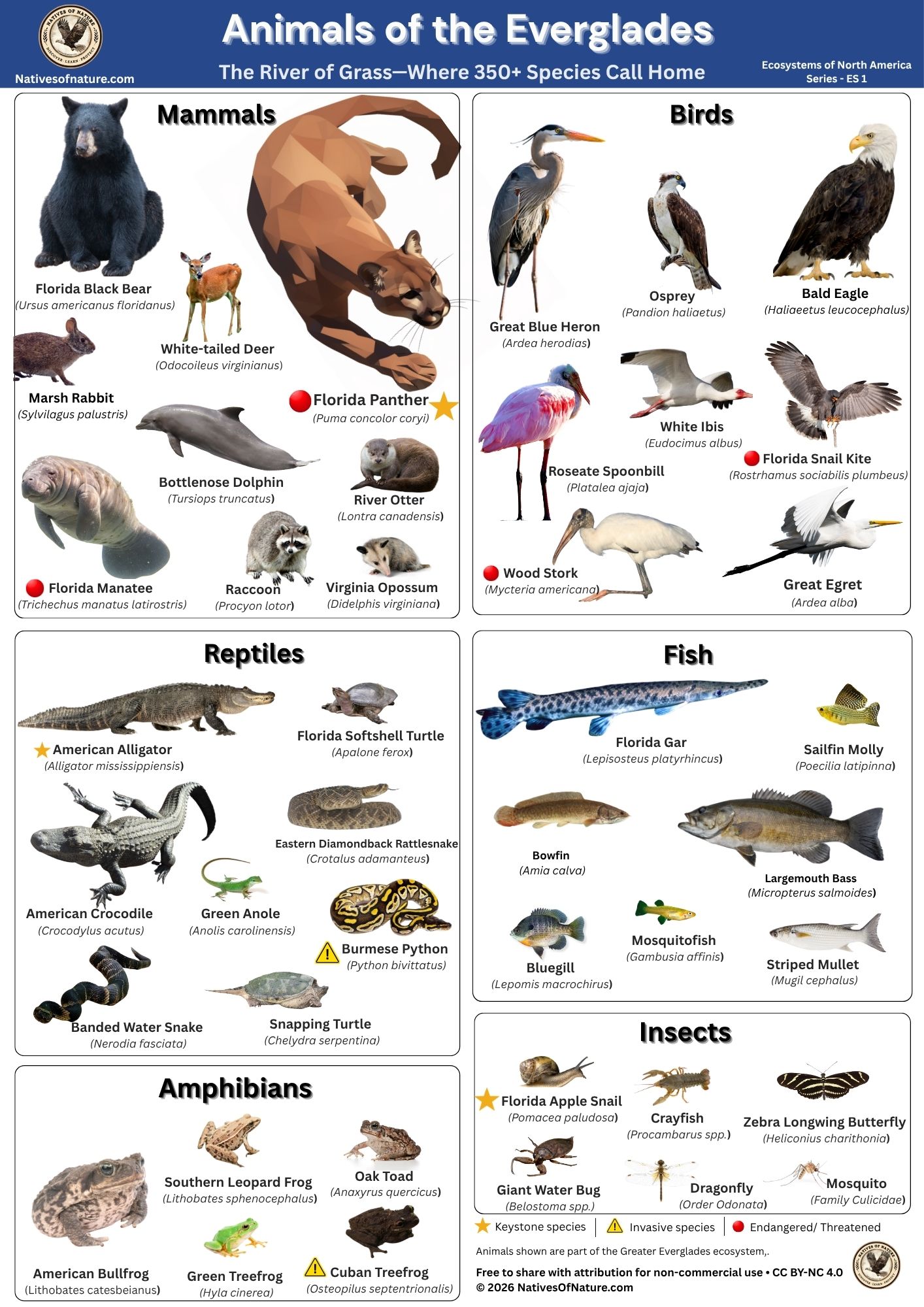
The Everglades is the only place on Earth where American alligators and American crocodiles share the same wild habitat. Stretching across southern Florida, this vast wetland — famously called the “River of Grass” — flows slowly from Lake Okeechobee to the sea, sustaining freshwater marshes, mangrove forests, sawgrass prairies, cypress swamps, and coastal estuaries that together support more than a thousand species of plants and animals.
This illustrated wildlife poster features representative species from across the Greater Everglades ecosystem — mammals, birds, reptiles, fish, amphibians, and invertebrates. Among them are the endangered Florida Panther, the elusive Snail Kite, the unmistakable Roseate Spoonbill, the American Alligator, and the invasive Burmese Python, a species that has reshaped the Everglades food web in just a few decades.
Each animal is labeled with both its common and scientific name, making the poster a visually rich reference for classrooms, naturalists, and anyone drawn to wild Florida. The species shown range across Everglades National Park, Big Cypress National Preserve, Florida Bay, and the mangrove estuaries and freshwater habitats that surround them — a UNESCO World Heritage Site, and one of the most biologically important and ecologically fragile wetlands in North America.
Identification helper
Mammals
- Florida Panther (Puma concolor coryi)
- Tawny wild cat with a long, low-hanging tail; much larger than a bobcat, no spots.
- Florida Black Bear (Ursus americanus floridanus)
- Glossy black fur with a tan muzzle and rounded ears; the only bear in Florida.
- West Indian Manatee (Trichechus manatus)
- Massive gray aquatic mammal with a paddle-shaped tail and whiskered snout; often seen as a slow-moving shadow near the surface.
- River Otter (Lontra canadensis)
- Sleek dark-brown body with a thick tapered tail; smaller and slimmer than a manatee, almost always near water.
Birds
- Roseate Spoonbill (Platalea ajaja)
- Bright pink wading bird with a flat spoon-tipped bill; unmistakable — no other Florida bird looks remotely like it.
- Snail Kite (Rostrhamus sociabilis)
- Slate-gray raptor with a sharply hooked bill and white tail base; almost always seen hunting low over freshwater marshes.
- Great Blue Heron (Ardea herodias)
- Tall blue-gray wading bird, four feet high, with a dagger-like yellow bill and black eye stripe; stands motionless in shallow water.
- Wood Stork (Mycteria americana)
- Large white wading bird with black flight feathers and a bald, scaly dark head; thicker, downcurved bill distinguishes it from egrets and herons.
- Osprey (Pandion haliaetus)
- Brown-and-white raptor with a sharp dark eye stripe and bright white underside; dives feet-first for fish.
- Bald Eagle (Haliaeetus leucocephalus)
- Massive dark-brown raptor with a pure white head and tail and a heavy yellow bill.
Reptiles
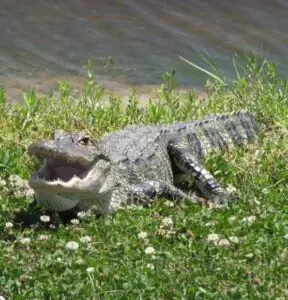
- American Alligator (Alligator mississippiensis)
- Broad U-shaped snout; lower teeth hidden when mouth is closed; freshwater specialist.
- American Crocodile (Crocodylus acutus)
- Narrow V-shaped snout; lower teeth visible when mouth is closed; common in mangroves and brackish water.
- Burmese Python (Python bivittatus)
- Massive invasive snake with dark giraffe-like blotches on a tan body; can exceed 15 feet.
- Eastern Indigo Snake (Drymarchon couperi)
- Long glossy black snake with smooth scales and a faint blue sheen; non-venomous and federally threatened.
- Green Anole (Anolis carolinensis)
- Small bright-green lizard with sticky toe pads and a pink throat fan.
Amphibians
- Pig Frog (Lithobates grylio)
- Large olive-brown frog with a pointed snout and pig-like grunting call.
- Green Treefrog (Hyla cinerea)
- Slim bright-green frog with a pale side stripe and suction-cup toes.
Fish
- Florida Gar (Lepisosteus platyrhincus)
- Long narrow fish with a sharp-toothed snout and dark spots near the surface.
- Largemouth Bass (Micropterus salmoides)
- Olive-green fish with a dark horizontal stripe and oversized mouth.
Insects & invertebrates
- Apple Snail (Pomacea paludosa)
- Large brown freshwater snail with a coiled shell; the Snail Kite's primary prey.
- Zebra Longwing Butterfly (Heliconius charithonia)
- Jet-black butterfly with long wings striped in pale yellow.
- Halloween Pennant Dragonfly (Celithemis eponina)
- Orange-and-black dragonfly often hovering above sawgrass marshes.
Quick comparison table
Featured Species of the Everglades
A closer look at the signature animals of the Greater Everglades — iconic predators, conservation symbols, and the invasive python reshaping the food web.
| Animal | Scientific Name | Group | Habitat | Diet | Status |
|---|---|---|---|---|---|
| Florida Panther | Puma concolor coryi | Mammal | Cypress swamps, pine flatwoods, hardwood hammocks | Deer, feral hogs, raccoons, armadillos | Endangered |
| West Indian Manatee | Trichechus manatus | Mammal | Coastal estuaries, springs, slow rivers | Seagrasses, aquatic plants | Threatened |
| American Alligator | Alligator mississippiensis | Reptile | Freshwater marshes, sloughs, canals | Fish, turtles, birds, small mammals | Least Concern |
| American Crocodile | Crocodylus acutus | Reptile | Mangrove estuaries, brackish coastal waters | Fish, crabs, birds, small mammals | Vulnerable |
| Burmese Python | Python bivittatus | Reptile | Sawgrass prairies, mangroves, tree islands | Mammals, birds, alligators | Invasive |
| Snail Kite | Rostrhamus sociabilis | Bird | Freshwater marshes | Apple snails (almost exclusively) | Endangered (FL) |
| Roseate Spoonbill | Platalea ajaja | Bird | Mangroves, mudflats, shallow wetlands | Shrimp, small fish, aquatic insects | Threatened (FL) |
| Wood Stork | Mycteria americana | Bird | Cypress swamps, marshes | Fish, frogs, crayfish | Threatened |
| Great Blue Heron | Ardea herodias | Bird | Marshes, shorelines, mangroves | Fish, frogs, snakes, small mammals | Least Concern |
| Florida Gar | Lepisosteus platyrhincus | Fish | Freshwater canals, sloughs, lakes | Smaller fish, crustaceans, insects | Least Concern |
Complete Species List
All 38 species represented on the Everglades wildlife poster, organized by taxonomic group.
Mammals
| Common Name | Scientific Name |
|---|---|
| Florida Panther | Puma concolor coryi |
| West Indian Manatee | Trichechus manatus |
| Bobcat | Lynx rufus |
| White-tailed Deer | Odocoileus virginianus |
| River Otter | Lontra canadensis |
| Raccoon | Procyon lotor |
| Marsh Rabbit | Sylvilagus palustris |
Birds
| Common Name | Scientific Name |
|---|---|
| Roseate Spoonbill | Platalea ajaja |
| Snail Kite | Rostrhamus sociabilis |
| Wood Stork | Mycteria americana |
| Great Blue Heron | Ardea herodias |
| Great Egret | Ardea alba |
| White Ibis | Eudocimus albus |
| Anhinga | Anhinga anhinga |
| Osprey | Pandion haliaetus |
| Bald Eagle | Haliaeetus leucocephalus |
| Limpkin | Aramus guarauna |
| Purple Gallinule | Porphyrio martinica |
Reptiles
| Common Name | Scientific Name |
|---|---|
| American Alligator | Alligator mississippiensis |
| American Crocodile | Crocodylus acutus |
| Burmese Python | Python bivittatus |
| Eastern Indigo Snake | Drymarchon couperi |
| Florida Softshell Turtle | Apalone ferox |
| Green Anole | Anolis carolinensis |
Amphibians
| Common Name | Scientific Name |
|---|---|
| Pig Frog | Lithobates grylio |
| Green Treefrog | Hyla cinerea |
| Southern Leopard Frog | Lithobates sphenocephalus |
Fish
| Common Name | Scientific Name |
|---|---|
| Florida Gar | Lepisosteus platyrhincus |
| Largemouth Bass | Micropterus salmoides |
| Bluegill | Lepomis macrochirus |
| Mosquitofish | Gambusia holbrooki |
| Snook | Centropomus undecimalis |
Invertebrates
| Common Name | Scientific Name |
|---|---|
| Apple Snail | Pomacea paludosa |
| Blue Crab | Callinectes sapidus |
| Halloween Pennant Dragonfly | Celithemis eponina |
| Zebra Longwing Butterfly | Heliconius charithonia |
| Pink Shrimp | Farfantepenaeus duorarum |
| Florida Tree Snail | Liguus fasciatus |
Featured animals in this resource
Mammals
-
State Animal of Florida, USA
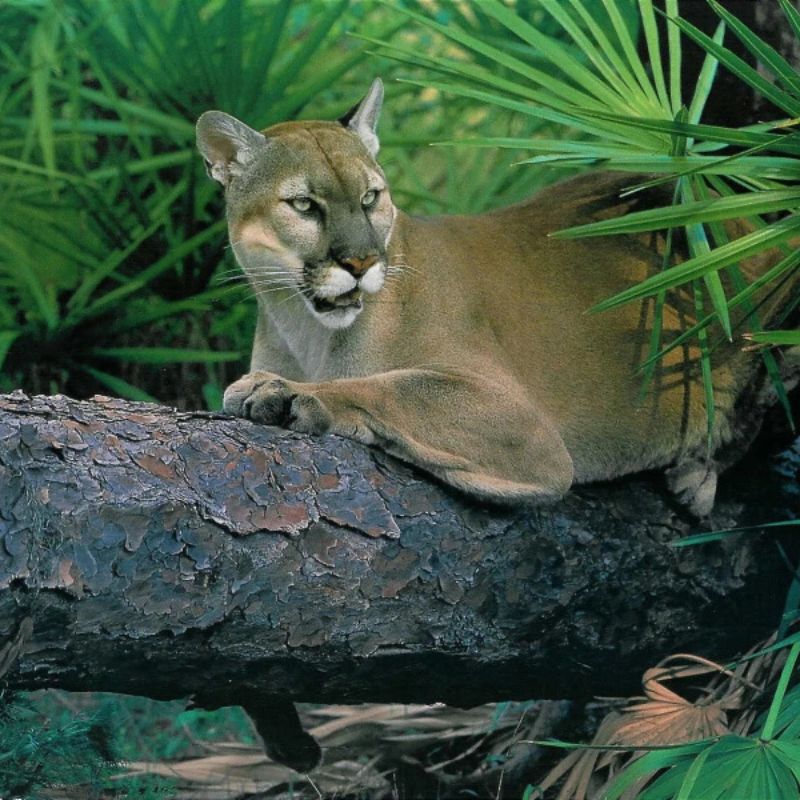
Florida Panther
S. name: <em>Puma concolor coryi</em>
IUCN: Critically Endangered (CR)
Diet: Carnivore
Habitats: Wetlands, Woodlands
-
State animal of West Virginia, State Mammal of Louisiana
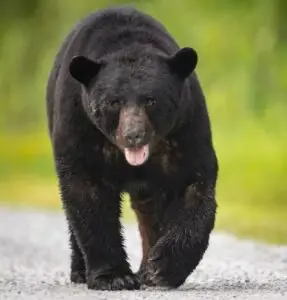
American Black Bear
S. name: <em>Ursus americanus</em>
IUCN: Least Concern (LC)
Diet: Omnivore
Habitats: Forests, Mountains, Wetlands
Birds
-
State Bird of Delaware, USA
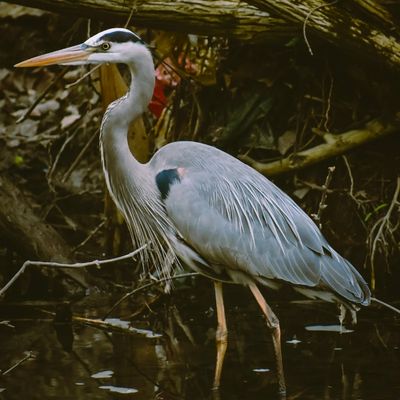
Great Blue Heron
S. name: <em>Ardea herodias</em>
IUCN: Least Concern (LC)
Diet: Carnivore
Habitats: Coastlines, Rivers, Wetlands
-
State Bird of Nova Scotia, Canada, State Bird of Saarland, Germany, State Bird of Södermanland, Sweden
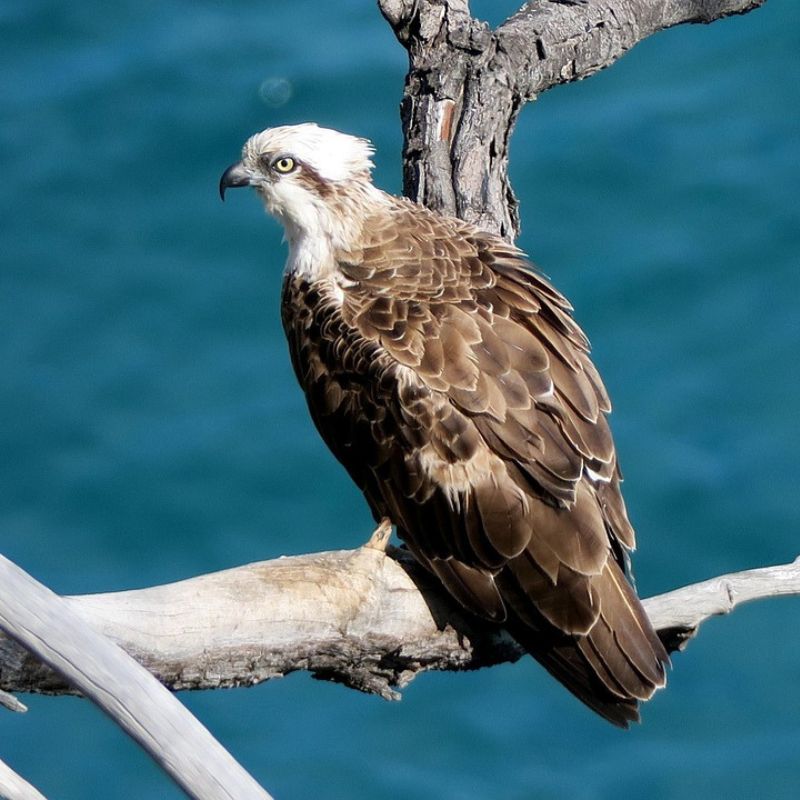
Osprey
S. name: <em>Pandion haliaetus</em>
IUCN: Least Concern (LC)
Diet: Obligate Piscivore
Habitats: Coastlines, Lakes, Rivers, Wetlands
-
National Bird & Animal of USA
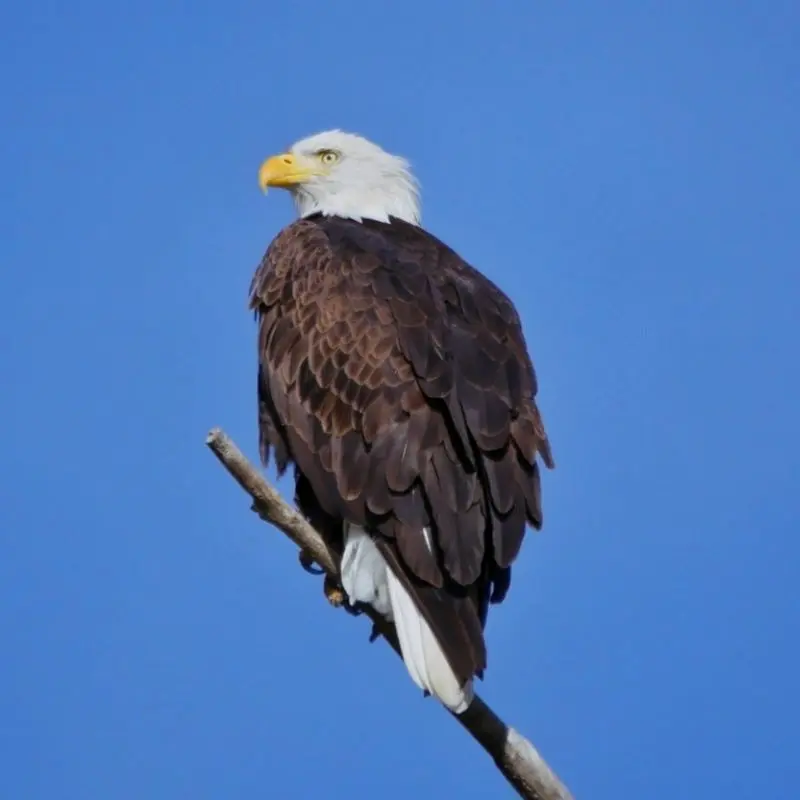
Bald Eagle
S. name: <em>Haliaeetus leucocephalus</em>
IUCN: Least Concern (LC)
Diet: Carnivore
Habitats: Coastlines, Forests, Rivers, Wetlands
Sources & methodology
Information last verified: May 15, 2026
Authorship & review

Sreeraj Vijaydas is involved in the editorial and research direction at NativesOfNature. His work centers on developing clear, accurate wildlife content that promotes understanding of biodiversity, conservation challenges, and sustainability,…

Arya Sankar is a postgraduate in Zoology with academic and research experience in wildlife and marine sciences. She has worked on research projects at the Central Marine Fisheries Research Institute…
Frequently asked questions
- How many species are featured on the Animals of the Everglades: Mammals, Birds, Reptiles & Fish Poster?
- This poster features 38 species, each labeled with its common and scientific name.
- Can I print and share this poster?
- Yes. This poster is released under CC BY-NC 4.0, which permits free non-commercial sharing, printing, and reuse with attribution to NativesofNature.com.
- What print sizes are available?
- PDF versions are available in A4, A3, A2 and US Letter. A high-resolution JPG and transparent PNG are also offered for anyone repurposing the poster.