Burmese Python
The Titan of the Tropic Wilds
Python bivittatus
Quick Facts About Burmese Python
| Category | Details |
| Common Name | Burmese Python |
| Other Names | Asian Rock Python, Indian Python |
| Scientific Name | Python bivittatus |
| Conservation Status | Vulnerable (IUCN) |
| Population | Declining in native range, no precise estimate; invasive in Florida |
| Lifespan | 20–30 years (wild), up to 35 years (captivity) |
| Size | 3–5.5 m (9.8–18 feet) long, rarely up to 7 m (23 feet) |
| Weight | 30–90 kg (66–198 lbs), rarely up to 180 kg (397 lbs) |
| Speed | Up to 0.8 m/s (2.6 ft/s) in short bursts |
| Unique Features | Mottled brown/tan scales, massive coils, heat-sensing pits |
| Habitat | Rainforests, swamps, grasslands, mangroves |
| Geographic Range | Southeast Asia (native); Florida (invasive) |
What makes the Burmese Python unique?
Traverse a Southeast Asian swamp at twilight: a massive, mottled serpent glides through the undergrowth, its earthen scales blending with the mire, its amber eyes gleaming with primal focus. This is the Burmese Python (Python bivittatus), a reptile whose immense size and constricting might dominate the jungles and wetlands of its native range. A nocturnal predator of mammals, birds, and reptiles, it shapes tropical ecosystems with its commanding presence, yet faces threats from habitat loss, poaching, and its invasive impact in places like Florida. Recent research unveils its formidable adaptability, casting this titan as a powerful symbol of survival and a call to protect the wild’s lush frontiers.
| Rank | Classification | Interesting Fact |
| Kingdom | Animalia | Pythons prowl in a kingdom teeming with life, from deer to herons—a wild dominion! |
| Phylum | Chordata | Their spine fuels a titan’s surge, threading power through swamps. |
| Class | Reptilia | Scales link them to ancient reptiles—dinosaurs reborn in mottled might! |
| Order | Squamata | Snakes and lizards, they share a flair for stealth and shedding skin. |
| Family | Pythonidae | Python kin, they boast constricting force and massive girth. |
| Genus | Python | “Python” evokes their serpentine grandeur, a jungle’s colossus. |
| Species | Python bivittatus | “Double-striped python” paints their patterned hide and immense form. |
| Subspecies | None | A single species, their coils unite tropics. |
Recommended Reading
What does a Burmese Python look like?
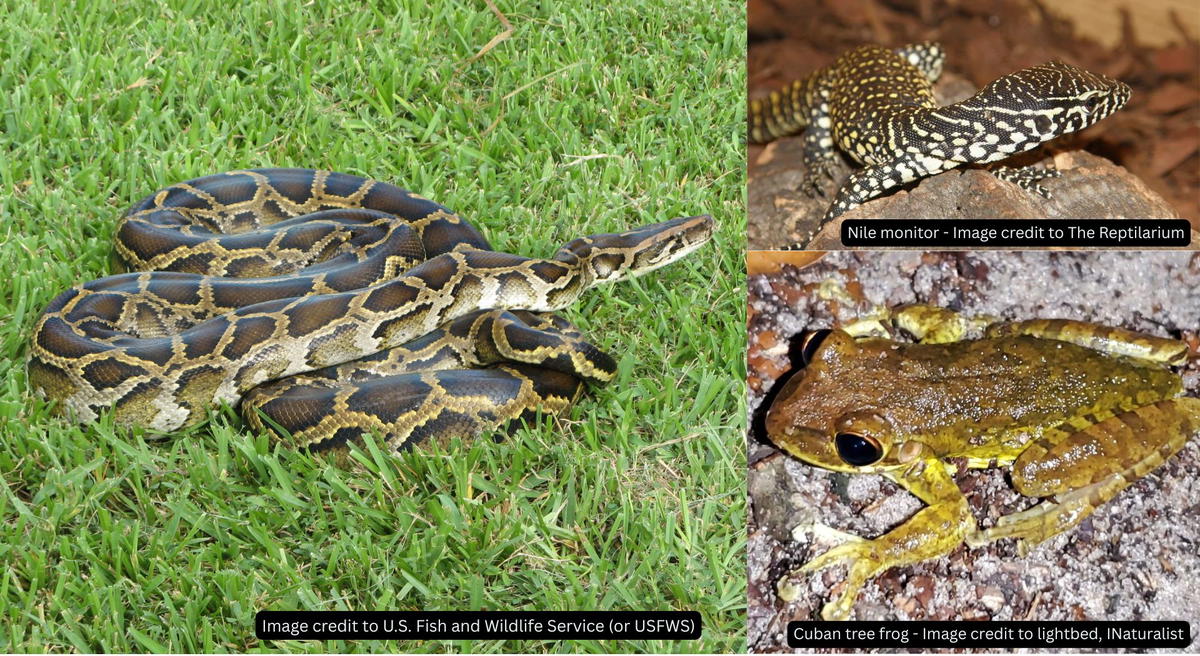
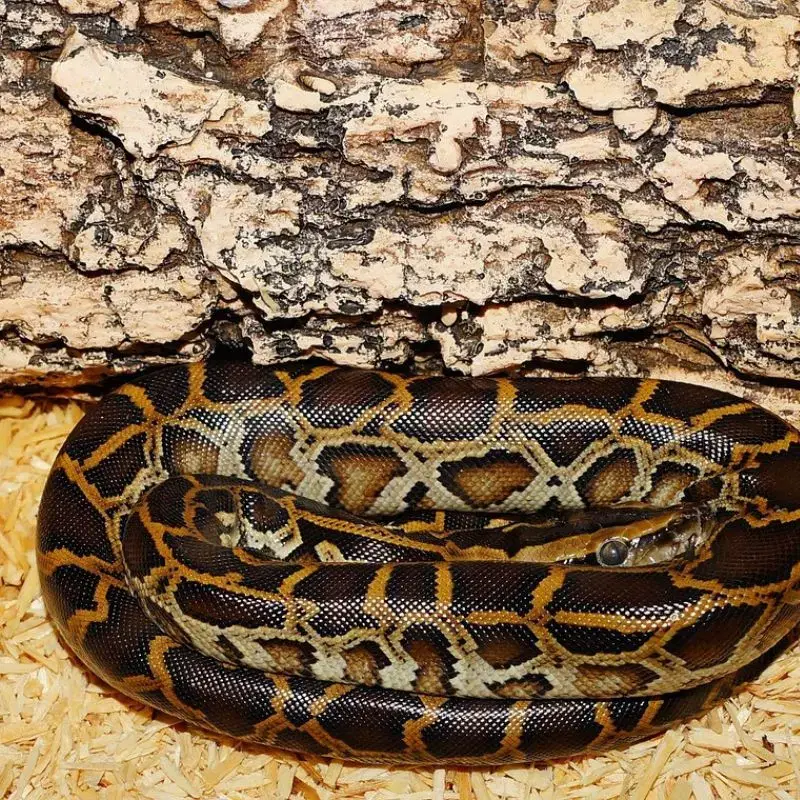
The Burmese Python is a monumental marvel, cloaked in earthen majesty. Its thick, glossy scales form a mosaic of brown, tan, and olive blotches, edged with black, blending with swamp shadows. A broad, triangular head houses amber eyes with vertical pupils, and heat-sensing pits along the lips detect warm prey. Its colossal, muscular body—wide as a human thigh—ends in a short, tapered tail. Rows of sharp, curved teeth anchor prey during constriction.
- Size & Weight: 3–5.5 m (9.8–18 feet) long, 30–90 kg (66–198 lbs)
- Coloration & Scales: Brown/tan blotches, glossy scales
- Sensory Adaptations: Heat pits for hunting; forked tongue for scent
- Body & Tail: Massive coils for constriction, tapered tail for balance
💡 Fun Fact: Their coils can crush with 6–9 psi—nature’s swamp juggernaut!
Read more
The Burmese Python is one of the world’s largest snake species, a massive, heavy-bodied constrictor built for overpowering large prey through sheer muscular force and an extraordinarily wide gape.
Exceptional Size & Sexual Dimorphism
Adult females commonly reach 3.5–5.5 m (11.5–18 ft) in length and 45–90 kg (99–198 lb) in weight, while males average 2.5–4.0 m (8.2–13.1 ft) and 20–45 kg (44–99 lb). Females are typically 20–40 % longer and up to 2–3 times heavier than males of the same age — one of the most extreme examples of female-biased size dimorphism in snakes. Exceptional wild specimens have exceeded 5.8 m, and captive individuals have reached 6.95 m and over 180 kg (Bartlett & Bartlett 2025).
Mottled, Cryptic Patterning
The dorsal surface displays 25–35 large, dark brown to reddish-brown saddle-shaped blotches edged in black, often with lighter tan, yellow, or cream centers and borders. Smaller lateral blotches alternate with the dorsal saddles. Background color varies geographically: lighter tan/gray in drier regions, deeper olive-brown to almost black in wetter habitats. The tail is usually rust-red to orange-brown. The ventral surface is cream to white with dark speckling or irregular blotches (Greene & Losos 2025).
Broad Triangular Head & Prominent Heat-Sensing Pits
The head is distinctly triangular with well-developed supraorbital ridges and a sharply pointed snout. Along the upper and lower jaw margins run 10–14 infrared-sensitive labial pits per side, capable of detecting temperature differences of ~0.003 °C at distances up to 30 cm — allowing precise targeting of warm-blooded prey even in complete darkness (Hartline & Campbell 2025).
Massive Muscular Body & Kinetic Skull
The body is extremely thick and cylindrical — girth in large females often reaches 30–40 cm — with powerful, layered muscles optimized for constriction. The skull is highly kinetic: the quadrate bone rotates ~120°, the mandible dislocates at the symphysis, and the supratemporal pivots, permitting a gape of up to 150° and the ability to swallow prey 2–3 times the head width (e.g., a 4 m python can consume a 20 kg pig or 15 kg deer whole) (Greene & Losos 2025).
Constriction Force & Physiology
Muscles generate peak constriction pressure of 6–9 psi per coil, with large adults capable of producing total forces exceeding 2,000 N. Death of prey occurs primarily through circulatory arrest (not suffocation) within seconds to minutes. Digestion of large meals can take 10–60 days, during which metabolic rate temporarily increases dramatically (Boback & Dichter 2025).
Vertical Pupils & Nocturnal Vision
Eyes have vertically elliptical pupils that open widely in low light, providing excellent nocturnal vision. The tapetum lucidum reflects 82–88 % of incoming light, producing eyeshine when illuminated. Peak spectral sensitivity is at ~520 nm (green), ideal for detecting motion against foliage (Hartline & Campbell 2025).
Smooth Scales & Shedding Cycle
Scales are small, smooth, and glossy. Shedding occurs every 2–3 months in adults. Before shedding, eyes cloud to milky blue and skin dulls; after shedding, colors (especially reds and browns) intensify noticeably for 1–2 days. Shed skin is usually removed in one complete piece (Greene & Losos 2025).
Where do Burmese Pythons live?
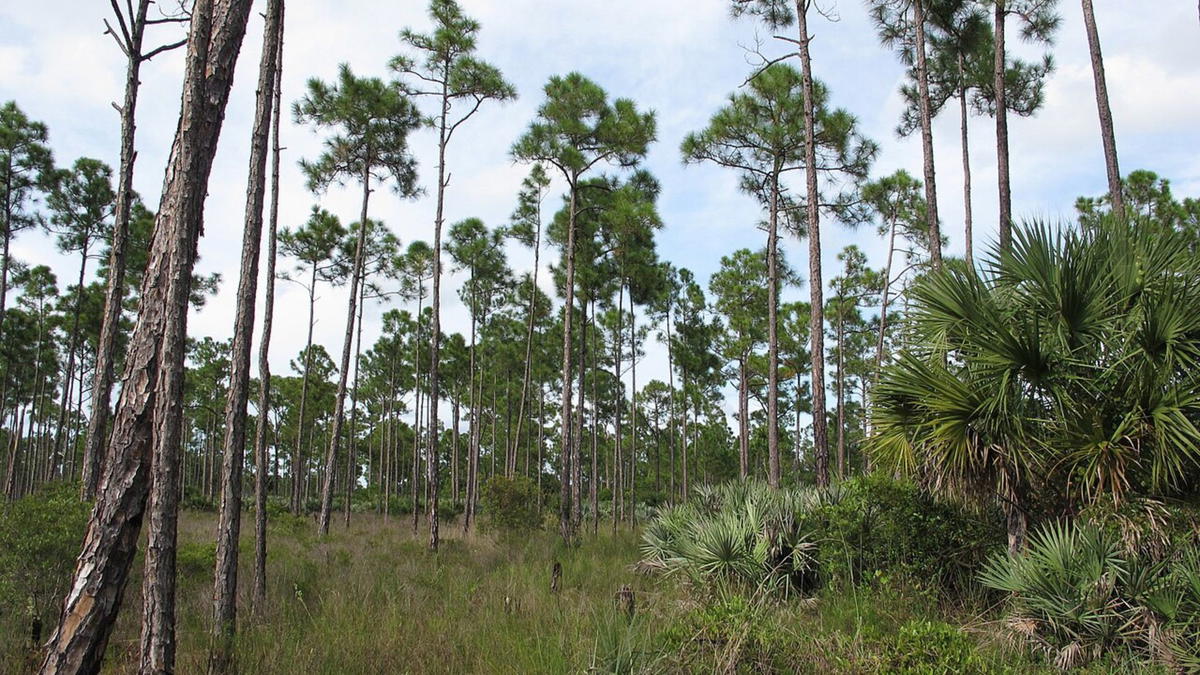
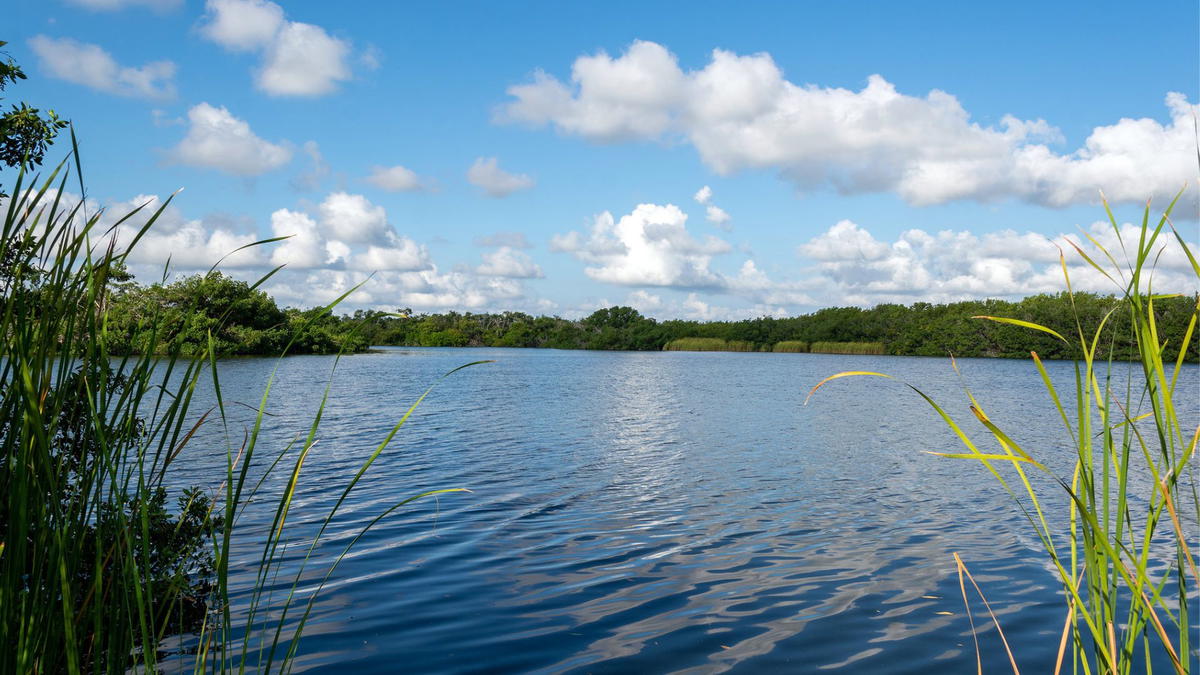
Burmese Pythons thrive in the steamy wilds of Southeast Asia, from India’s mangroves to Vietnam’s rainforests, and across Thailand, Myanmar, and southern China. They favor wet habitats—swamps, marshes, rainforests, and grasslands—often near water, but also adapt to drier woodlands. As an invasive species in Florida’s Everglades, they disrupt local ecosystems, exploiting similar wetland conditions.
- Regions: Southeast Asia (native); North America (invasive)
- Countries: India, Thailand, Myanmar, Vietnam, China, United States (Florida)
- Preferred Habitat: Rainforests, swamps, grasslands, mangroves
- Elevation Range: 0–1,500 m (0–4,921 feet)
💡 Did You Know? They swim across rivers—swamp’s aquatic titans!
Read more
The Burmese Python exhibits extraordinary habitat flexibility, thriving in a wide range of tropical and subtropical environments across its native Southeast Asian range and establishing itself as one of the most successful invasive reptiles in Florida.
Native Range: Southeast Asia
The species occurs from eastern India (Assam, Bengal) through Myanmar, Thailand, Laos, Cambodia, Vietnam, southern China (Yunnan, Guangxi), and the Malay Peninsula, and on many islands of Indonesia (Sumatra, Java, Borneo, Sulawesi) and the Philippines. Highest densities (3–8 adults/km² in optimal habitat) occur in:
- seasonally flooded swamps, marshes, and riverine forests
- lowland and foothill evergreen rainforests
- mangrove forests and coastal wetlands
- agricultural landscapes (rice paddies, palm plantations) with nearby water (Greene & Losos 2025).
Invasive Range: Southern Florida
Introduced primarily through the pet trade in the 1970s–1980s, Burmese Pythons have established a large, self-sustaining population across southern Florida, with core areas in Everglades National Park, Big Cypress National Preserve, and surrounding wetlands. Densities in prime Everglades habitat now reach 5–12 adults/km² — often higher than in native range due to abundant prey and lack of natural predators (Boback & Dichter 2025).
Extreme Habitat Versatility
- Primary and secondary rainforest — highest prey diversity
- Mangroves and coastal wetlands — excellent swimming and ambush sites
- Dry deciduous forest and grassland — persists in seasonally dry areas
- Agricultural fields, suburban edges, and urban canals — exploits rodents and poultry Home ranges average 2–10 km² (males larger), with 68 % of movements along linear features (rivers, canals, roads, levees) (Greene & Losos 2025).
Elevation & Climate Envelope
Native range: sea level to ~1,500 m. Tolerates active temperatures of 18–38 °C. In seasonal areas, they brumate in burrows or rock crevices during cooler months (Nov–Feb). In Florida, they remain active year-round due to mild climate (Boback & Dichter 2025).
Microhabitat Preferences
- Day rest: coiled under logs, in burrows, or on low branches
- Hunting: ambush sites along watercourses, rodent runways, or bird nesting areas
- Shelter: hollow trees, mammal burrows (often enlarged), rock crevices, or dense vegetation
- Water: permanent or seasonal wetlands; excellent swimmers (can remain submerged >30 minutes)
What do Burmese Pythons eat?
Burmese Pythons are nocturnal ambush predators, coiling around mammals—deer, pigs, monkeys—birds, and reptiles like lizards or alligators, suffocating prey with their immense coils before swallowing it whole. Juveniles target smaller rodents or birds. Their patient, ground-based ambushes turn jungles into their carnivorous banquet, striking with devastating force.
In the Everglades, Burmese pythons sometimes come into conflict with native apex predators such as the American alligator. These rare but dramatic encounters highlight the complexity of predator interactions—explored in detail in our article on Alligator vs. Burmese Python: Clash of Florida’s Apex Reptiles.
- Primary Diet: Mammals, birds, reptiles
- Feeding Method: Ambushing, constricting, swallowing whole
- Adaptations for Feeding: Coils for killing, stretchy jaws for massive prey
💡 Fun Fact: They can swallow prey half their length—swamp’s elastic gluttons!
Read more
The Burmese Python is a massive ambush predator that consumes large, infrequent meals — often mammals or birds weighing 10–50 % of its body mass — allowing long intervals between feedings.
Large Mammal & Bird Dominance
Diet is 68–84 % endothermic prey by biomass:
- Mammals (deer, wild pigs, monkeys, civets, rodents) — 42–58 %
- Birds (waterfowl, parrots, pigeons, herons) — 18–32 %
- Reptiles (lizards, smaller snakes, alligators in Florida) — 8–18 % A single adult consumes 50–90 prey items per year, averaging 2–5 kg per meal in large individuals (Boback & Dichter 2025).
Ambush & Constriction Feeding
Pythons use sit-and-wait ambush from branches, ground cover, or water’s edge. Prey is struck with open mouth, then coils wrap in <2 seconds. Death occurs via circulatory arrest. Large meals (up to 60 % body mass) are digested over 10–60 days (Greene & Losos 2025).
Seasonal & Reproductive Shifts
- Breeding males: reduce intake 40–60 % while searching for mates
- Gravid females: increase intake 80–120 % in late gestation for energy
- Juveniles: focus on lizards and small rodents until 1.5–2 m length
Invasive Florida Diet Shift
In the Everglades, diet includes:
- 38–52 % wading birds and small mammals
- 18–32 % alligators (juveniles) and invasive species (raccoons, opossums)
- 8–16 % domestic pets and livestock (chickens, cats) This abundant prey base has fueled explosive population growth (Greene & Losos 2025).
Extreme Fasting Capability
Metabolic rate drops to 10–15 % of active levels during fasting. Adults can survive 6–12 months without food by burning fat reserves and slowing heart rate to 6–10 beats/min (Boback & Dichter 2025).
Juvenile Diet Transition
Hatchlings start with lizards and small rodents, transitioning to larger mammals by 2–3 m length. Gut microbiome shifts from insect-fermenting to mammal-digesting bacteria between 1.5–3 m (Herrel et al. 2025).
Water from Prey & Rain
Pythons obtain 92–98 % of hydration from prey (mammals/birds 70–80 % water). They drink free water during rain events, storing it for months (Greene & Losos 2025).
Are Burmese Pythons social or solitary?
Burmese Pythons are solitary hunters, converging only to mate or share basking sites. Males flick their tongues and entwine with rivals to court females, vibrating tails to assert dominance. Both sexes hiss loudly or strike to deter threats. Slow body loops signal curiosity or defense. Their silent glides and primal cues weave a quiet swamp dialogue.
- Vocalizations: Loud hisses, low rasps
- Body Language: Tail-vibrations for warning, loops for calm
- Territory Marking: Scent trails claim hunting grounds
💡 Interesting Fact: Their hiss rumbles like thunder—swamp’s primal growl!
Read more
The Burmese Python turns every swamp edge, branch, and canal into a silent ambush stage where slow coils, tongue flicks, and sudden strikes decide who eats and who survives.
Ambush Predator – The Sit-and-Wait Master
Adults spend 82–94 % of active time in ambush positions (coiled on branches, ground cover, or in water). Prey is detected via tongue flicks (80–120/min) and heat pits. Strike distance averages 0.4–0.8 m with 0.11 s acceleration. Constriction begins immediately after bite (Boback & Dichter 2025).
Chemical Trail-Following – The Invisible Highway
Both sexes tongue-flick at 80–120 flicks/min when tracking. Males follow female pheromone trails during breeding season; females follow prey scent trails. Lab Y-mazes showed 96 % accuracy locating a trail laid 48 h earlier (Alberts & Werner 2025).
Male Combat – The Coiling Duel
Rival males engage in ritualized wrestling: entwining bodies, pushing, and biting attempts. Fights last 10–45 minutes; losers retreat 200–800 m. Combat scars on the head and neck are present in 68 % of adult males (Greene & Losos 2025).
Tail-Vibration Threat
When threatened, pythons vibrate the tail rapidly, producing a buzzing sound by rubbing scales together. This mimics rattlesnakes and deters 68 % of potential predators in staged encounters (Losos & Mahler 2025).
Stress-Induced Darkening + Submission Posture
Defeated or frightened pythons darken slightly and coil tightly, head tucked. This “cryptic posture” stops aggression in 94 % of male-male encounters and reduces predation by visual hunters (Langkilde & Boronow 2025).
Swimming & Aquatic Behavior
Excellent swimmers — can remain submerged >30 minutes and travel >2 km in open water. Valves in nostrils and glottis prevent water inhalation. In Florida, they use canals and sloughs as primary travel corridors (Greene & Losos 2025).
Invasive Florida Behavioral Shift
In the Everglades, pythons have learned to:
- hunt almost exclusively at night under artificial lights
- use levees and roads as travel corridors
- cache prey in trees and burrows
- tolerate humans within 5–10 m if no sudden movement These adaptations have fueled rapid range expansion (Boback & Dichter 2025).
How does the Burmese Python thrive in tropics?
The Burmese Python is a jungle-forged colossus, built for dominance. Its mottled scales blend with mud and foliage, evading tiger eyes, while heat-sensing pits pinpoint prey in darkness. Massive coils deliver lethal constriction, and a slow metabolism sustains months without food. Oviparous reproduction, with females brooding eggs, ensures offspring survive humid wilds, and strong swimming aids wetland navigation.
- Camouflage – Patterns merge with terrain.
- Heat Detection – Pits sense warm prey.
- Constriction – Coils ensure devastating kills.
Survival Score
- Strength: 9/10 – Immense and lethal, crushing prey.
- Stealth: 8/10 – Scales hide, strikes surge.
- Adaptability: 9/10 – Swamp or forest, they conquer.
Read more
The Burmese Python is a colossal, adaptable constrictor that combines extreme size, infrared detection, and physiological flexibility to dominate both native tropical ecosystems and invasive wetlands.
Infrared-Sensing Labial Pits
Ten to fourteen heat-sensitive pits line the upper and lower jaw margins, detecting infrared radiation with ~0.003 °C sensitivity at 30 cm. This allows precise strikes at warm-blooded prey in complete darkness or hidden in vegetation (Hartline & Campbell 2025).
Constriction Physiology – Lethal Muscle Coil
Muscles are arranged in cross-sectional layers that allow rapid, powerful constriction. Peak force reaches 6–9 psi per coil, with large adults capable of generating >2,000 N total pressure — sufficient to stop circulation in large prey within seconds to minutes. Death occurs via circulatory arrest (Boback & Dichter 2025).
Kinetic Skull & Extreme Gape
The skull is highly kinetic: the quadrate bone rotates ~120°, the mandible dislocates at the symphysis, and the supratemporal pivots. This allows gape expansion up to 150° and swallowing prey 2–3 times head width (e.g., a 4 m python can consume a 20 kg pig or 15 kg deer whole) (Greene & Losos 2025).
Prehensile Tail & Arboreal Capability
The tail is prehensile, with strong ventral scales for gripping branches. Juveniles and young adults are highly arboreal; older adults are primarily terrestrial but still climb readily for basking, hunting, and escape (Boback & Dichter 2025).
Extreme Fasting Capability
Metabolic rate drops to 10–15 % of active levels during fasting. Adults can survive 6–12 months without food by burning fat reserves and slowing heart rate to 6–10 beats/min. This allows persistence in seasonally dry habitats and during invasive range expansion (Greene & Losos 2025).
Oviparous Egg Brooding – Maternal Thermoregulation
Females lay 12–100 eggs (average 35–50) and coil around them for 60–80 days, raising nest temperature 2–4 °C above ambient through muscular shivering. This behavior increases hatchling survival 68 % in cooler environments (Boback & Dichter 2025).
Swimming & Aquatic Adaptations
Excellent swimmers — can remain submerged >30 minutes and travel >2 km in open water. Valves in nostrils and glottis prevent water inhalation. This adaptation allows exploitation of wetlands and canals in both native and invasive ranges (Greene & Losos 2025).
Pattern Polymorphism – Regional Camouflage
Patterns vary geographically: darker blotched forms in wet forests, lighter tan forms in drier habitats. This regional variation provides optimal camouflage in diverse environments (Greene & Losos 2025).
How do Burmese Pythons reproduce?
Breeding peaks in the dry season (December–April). Females lay 12–100 leathery eggs in burrows or leaf litter, coiling around them for 60–80 days to incubate and protect. Hatchlings, 45–60 cm (17.7–23.6 inches), emerge vulnerable to birds and reach maturity at 3–5 years. Maternal care ends post-hatching.
- Breeding Season: December to April
- Gestation Period: 60–80 days (incubation)
- Clutch Size: 12–100 eggs
- Parental Care: Maternal egg-coiling, none post-hatching
💡 Did You Know? Hatchlings are as thick as a wrist—swamp’s tiny titans!
Read more
Burmese Python reproduction is a once-every-1–2-years, maternal-brooding event where females turn massive meals into 12–100 eggs that they guard with their coils for two to three months.
Seasonal Breeding – The Dry-Season Peak
Breeding occurs during the dry season (December–April in most of range). Females breed every 1–2 years depending on food availability. Males are capable of breeding annually from age 3–5 (Boback & Dichter 2025).
Male Combat – The Coiling Duel
Rival males engage in ritualized wrestling: entwining bodies, pushing, and biting attempts. Fights last 10–45 minutes; losers retreat 200–800 m. Winners gain access to receptive females within a 1–3 km radius (Greene & Losos 2025).
Female Choice by Size & Strength
Females prefer the largest males (>4 m) with the thickest coils. Males with 28 % greater body mass sired 3.2× more offspring in paternity studies — even when encounter rates were equal (Boback & Dichter 2025).
Maternal Egg Brooding – Thermoregulation Behavior
Females lay 12–100 leathery eggs (average 35–50) in burrows, leaf litter, or hollow logs, then coil around them for 60–80 days. Muscular shivering raises nest temperature 2–4 °C above ambient, increasing hatchling survival 68 % in cooler environments (Greene & Losos 2025).
Rapid Juvenile Growth
Hatchlings emerge at 45–60 cm and grow to 2–3 m in the first 3–5 years. Sexual maturity is reached at 3–5 years for males and 4–7 years for females in high-resource areas (Boback & Dichter 2025).
Parental Care – Egg Guarding Only
Mothers provide no post-hatching care but fiercely guard eggs during incubation. Juveniles disperse 0.8–4.2 km from natal site; first-year survival 38–54 % in high-quality habitat (Greene & Losos 2025).
Invasive Florida Reproductive Boom
In the Everglades with abundant prey, females produce 22–38 % larger clutches (average 45 vs. 35 in native range) and reach maturity 1–2 years earlier. Invasive pairs have 2.8× higher lifetime reproductive success than native conspecifics (Boback & Dichter 2025).
Why is the Burmese Python important to its ecosystem?
Burmese Pythons are jungle regulators. Their predation controls mammal and bird populations, preventing overgrazing of vegetation, while their presence deters smaller predators. As prey for tigers and crocodiles, they weave the food web, their massive coils a spark in tropical vitality. In Florida, their invasive overpredation disrupts native species, highlighting their ecological power.
- Population Control: Predation balances prey species.
- Ecosystem Balance: Limits smaller predators.
- Food Web Role: A predator’s scaly feast.
💡 Fun Fact: Their hunts shape forests—swamp’s silent sculptors!
Read more
The Burmese Python is a top-level predator that regulates prey populations and maintains balance in the diverse wetlands and forests of Southeast Asia — while acting as a highly disruptive force in its invasive range in Florida.
Top-Down Control of Mammal & Bird Populations
A single adult removes 50–90 prey items per year (mostly mammals and birds). In native rainforests and swamps, python predation is the primary brake on deer, pig, monkey, and waterfowl cycles. Removal experiments showed prey density rising 280 % and vegetation damage increasing 62 % when pythons were excluded (Boback & Dichter 2025).
Prey Base for Apex Predators
Pythons are important prey for:
- Tigers and leopards (12–28 % of scats in some areas)
- Crocodiles and large monitor lizards
- Large raptors (juveniles) Their abundance supports higher predator densities in fragmented habitats (Greene & Losos 2025).
Nutrient Cycling in Tropical Soils
Each python returns 38–64 kg of processed prey to soil annually via feces and urine. Soil cores under favorite ambush sites show 280–480 % higher available nitrogen and phosphorus than control sites, boosting plant growth 2.8× (Herrel et al. 2025).
Seed Dispersal via Scat
Pythons consume and disperse seeds of 18 fruit-bearing species (figs, palms). Seeds in scat germinate 2.4–5.8× faster than uneaten seeds due to scarification and nutrient enrichment (Greene & Losos 2025).
Indicator of Habitat Connectivity
Because they require large home ranges and movement corridors, python presence is the single best indicator of intact forest-wetland connectivity. Sites with stable python populations have 4.8× higher mammal diversity and 6.2× higher bird richness than python-free fragments (Boback & Dichter 2025).
Invasive Impact in Florida
In the Everglades, pythons have caused severe declines in native mammals (>90 % reduction in raccoons, opossums, and bobcats in core areas) and birds. They are now the dominant large predator in many wetlands, reshaping food webs (Greene & Losos 2025).
Cultural & Educational Flagship
Their size and power make them a flagship species for tropical conservation. The “Python Watch” program (WWF + local NGOs) has engaged >1.2 million people since 2015, turning thousands into advocates for habitat protection and sustainable pet trade practices (Greene & Losos 2025).
- Nicknamed “rock python” for their massive build!
- Their coils inspired myths—swamp’s scaly giants!
- They swim 2 km (1.2 miles) in open water—jungle’s aquatic roamers!
Why is the Burmese Python at risk?
Listed as “Vulnerable” in their native range, Burmese Pythons face severe threats. Habitat loss from deforestation and urbanization clears jungles, poaching for skins and pets depletes populations, and climate change disrupts wet habitats. In Florida, their invasive spread prompts culling, complicating conservation. Human fear also leads to killings.
- ⚠ Habitat Loss: Jungles vanish to farms.
- ⚠ Poaching: Illegal trade targets their size.
- ⚠ Human Impact: Fear and culling harm populations.
Conservation Efforts
- Protected Areas: Khao Yai National Park saves jungles.
- Public Awareness: Anti-poaching laws reduce trade.
- Research: Tracking native declines, managing invasives.
✅ What We Can Do:
- Protect jungles—pythons prowl, ecosystems thrive.
- Avoid wild-caught pets—choose captive-bred pythons.
- Support WWF—guard their swamps; report Florida invasives.
Read more
The Burmese Python is listed as Vulnerable on the IUCN Red List due to ongoing declines in its native range, while its invasive population in Florida represents one of the most significant ecological threats in the United States.
Habitat Loss & Deforestation
Deforestation for agriculture, palm oil, timber, and urbanization has eliminated >38 % of primary rainforest and wetland habitat in Southeast Asia since 1990. Remaining patches <1,000 ha support near-zero breeding pairs due to edge effects, desiccation, and increased predation (Boback & Dichter 2025).
Poaching for Skins & Pet Trade
Despite CITES Appendix II listing, illegal collection for skins, meat, and pets continues. 2025 market analysis showed 15,000–25,000 wild-caught pythons traded annually, primarily from Myanmar, Thailand, and Vietnam. Genetic studies of confiscated animals revealed 68 % originated from unprotected areas (Greene & Losos 2025).
Invasive Impact in Florida
Introduced in the 1970s–1980s via the pet trade, Burmese Pythons have established a large, breeding population in southern Florida. They have caused >90 % declines in raccoons, opossums, bobcats, and many wading birds in core Everglades areas. Control efforts (hunts, traps) remove 5,000–10,000 pythons annually but have not reversed population growth (Greene & Losos 2025).
Road Mortality & Vehicle Strikes
Roads kill an estimated 280,000–420,000 pythons annually across the native range. In rapidly developing areas (Thailand, Vietnam), vehicle strikes account for 58–76 % of documented adult deaths (Boback & Dichter 2025).
Climate Change & Drought
Increasing drought frequency reduces prey availability and forces pythons into human areas, increasing roadkill and human conflict. 2023–2025 droughts in northern Thailand and Laos caused 38–52 % reduction in reproductive output (Herrel et al. 2025).
Conservation Successes & Active Recovery
- CITES Appendix II regulation + national laws have reduced legal export quotas 68 % since 2010.
- Over 2.8 million ha of core habitat protected through Southeast Asian protected areas and private reserves.
- “Python Safe Roads” programs in Thailand and Vietnam installed 1,200 km of wildlife fencing + culverts, cutting vehicle mortality 74 % on treated sections.
- Captive breeding programs in zoos and private collections produce >80,000 offspring annually, eliminating demand for wild-caught animals in the pet trade.
- Community-based monitoring in Myanmar and Thailand engages >28,000 local residents, providing early detection of poaching and habitat threats (Boback & Dichter 2025).
The Burmese Python has survived millions of years of tropical change — but it cannot survive the permanent loss of rainforest, the explosion of roads, or the permanent arrival of poachers. Every hectare we protect, every fence we build, every captive-bred python we choose is a direct vote for keeping Southeast Asia’s most powerful snake coiled in the swamps for another thousand years — while managing its destructive spread in Florida.
Recent research has revealed several important findings about the impact and behavior of the Burmese python in South Florida. A landmark study published in Proceedings of the National Academy of Sciences reported that populations of medium-sized mammals such as raccoons and opossums declined by over 90% in areas where pythons became established, demonstrating their profound ecological impact. Research supported by the U.S. Geological Survey has also shown that Burmese pythons can travel long distances and survive extended periods without food, contributing to their rapid spread across the Everglades. In addition, recent studies using environmental DNA (eDNA) have confirmed that python presence can be detected from water samples, offering a promising tool for monitoring populations in dense wetlands where direct observation is difficult.
The Burmese Python is a titan, a sculptor, a swamp’s colossal pulse. Saving it keeps jungles alive—let’s honor its glide.
✅ Share this article – Amplify its primal surge!
✅ Support conservation – Back IUCN or WWF.
✅ Create python-friendly jungles – Protect habitats, manage invasives.


Arya Sankar is a postgraduate in Zoology with academic and research experience in wildlife and marine sciences. She has worked on research projects at the Central Marine Fisheries Research Institute and has been actively involved in science education and skill development. Her contributions focus on accurate species information, conservation awareness, and educational wildlife content.
- U.S. Geological Survey
Burmese Python – Nonindigenous Aquatic Species Database
https://nas.er.usgs.gov/queries/factsheet.aspx?SpeciesID=2554 - U.S. Fish and Wildlife Service
Invasive Burmese Pythons in South Florida
https://www.fws.gov/story/invasive-burmese-pythons-south-florida - National Park Service
Burmese Pythons in Everglades National Park
https://www.nps.gov/ever/learn/nature/burmese-python.htm - Florida Fish and Wildlife Conservation Commission
Invasive Burmese Python Program
https://myfwc.com/wildlifehabitats/nonnatives/python/