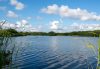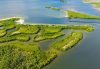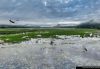
At first glance, the Florida Everglades seems quiet—a broad, shimmering sweep of sawgrass under open sky. But this apparent stillness hides one of the most biologically intricate landscapes on Earth. Beneath the water’s surface, along mudbanks, in the canopy, and across the open marsh, thousands of animals interact in a system shaped not by speed or force, but by water, timing, and specialization.
The Everglades is not defined by a single iconic species. It is defined by community—a living assembly of mammals, birds, reptiles, fish, amphibians, and insects whose lives are bound together by shallow water and seasonal change.
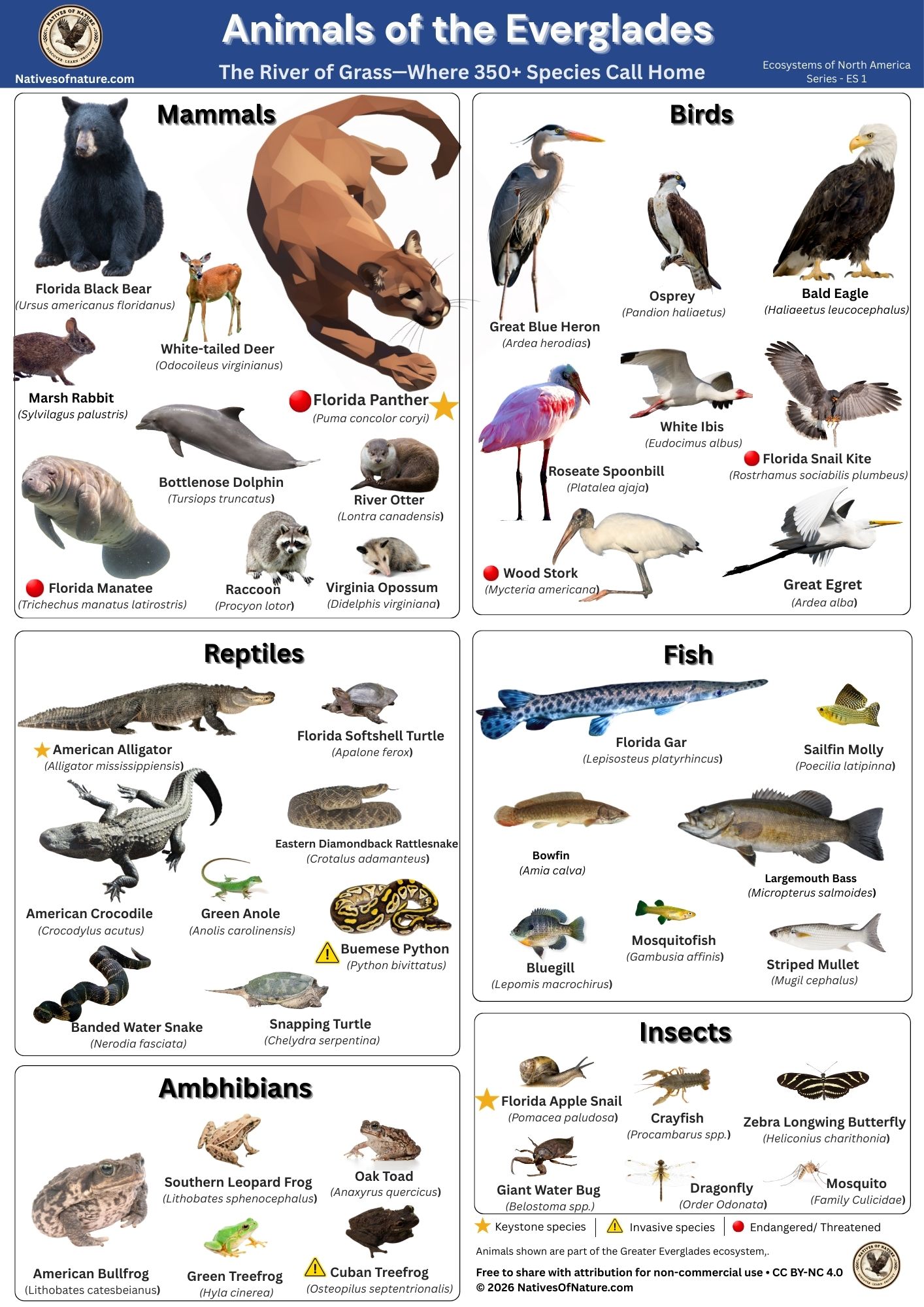
The illustrated poster below provides a visual overview of representative animals found in the Florida Everglades, grouped by major animal classes—mammals, birds, reptiles, fish, amphibians, and insects. It is designed as a companion to this article, offering a quick reference to key species discussed in the sections that follow.
 Credit: Nativesofnature.com · Nativesofnature.com · All rights reserved
A Wetland Designed for Specialists
The Everglades is a subtropical wetland, not a forest or a swamp in the traditional sense. Water moves slowly—often less than 1 km (0.6 mi) per day—and rarely exceeds 0.6 m (2 ft) in depth. Seasonal flooding and drying transform the landscape into a shifting mosaic of marshes, sloughs, tree islands, mangroves, and coastal edges.
According to the National Park Service, this mosaic supports:
- 40+ mammal species
- 350+ bird species
- 50+ reptile species
- Hundreds of fish, amphibians, and invertebrates
Survival here favors animals that can wait, adapt, and specialize.
Mammals: From River Giants to Elusive Hunters
Large and Iconic Mammals
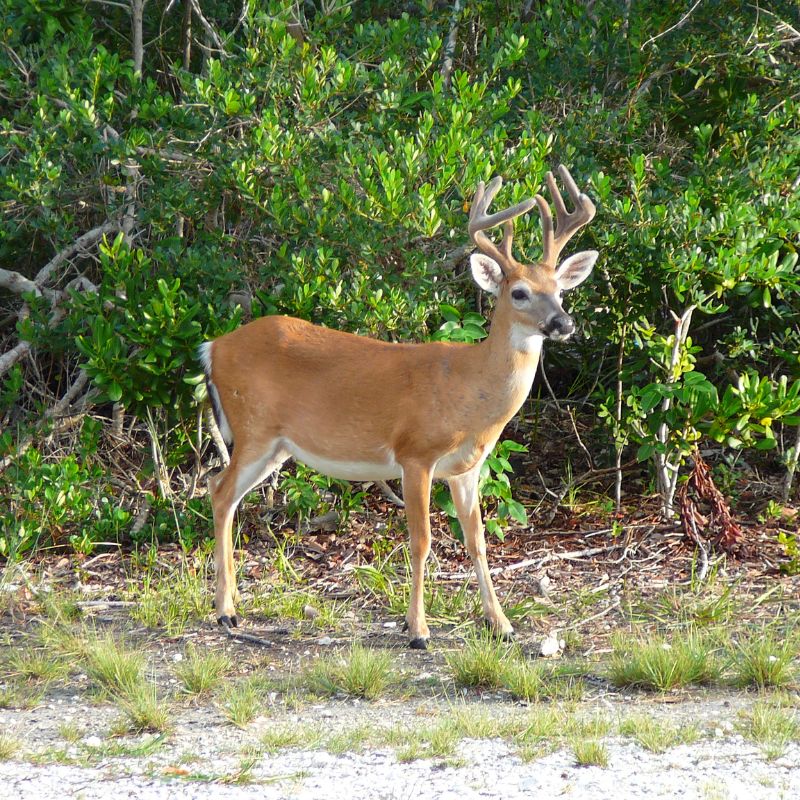
The Florida panther moves silently through pinelands and hardwood hammocks, regulating populations of white-tailed deer, the Everglades’ largest herbivore. By shaping deer behavior as much as deer numbers, panthers indirectly protect vegetation from overbrowsing.
The Florida black bear, an adaptable omnivore, ranges across forest edges and tree islands, feeding on fruits, insects, and small animals. Along waterways, the Florida manatee grazes on aquatic plants. In winter, manatees migrate to warm-water refuges because they cannot tolerate prolonged exposure to temperatures below 20°C (68°F).
Mid-sized and Small Mammals
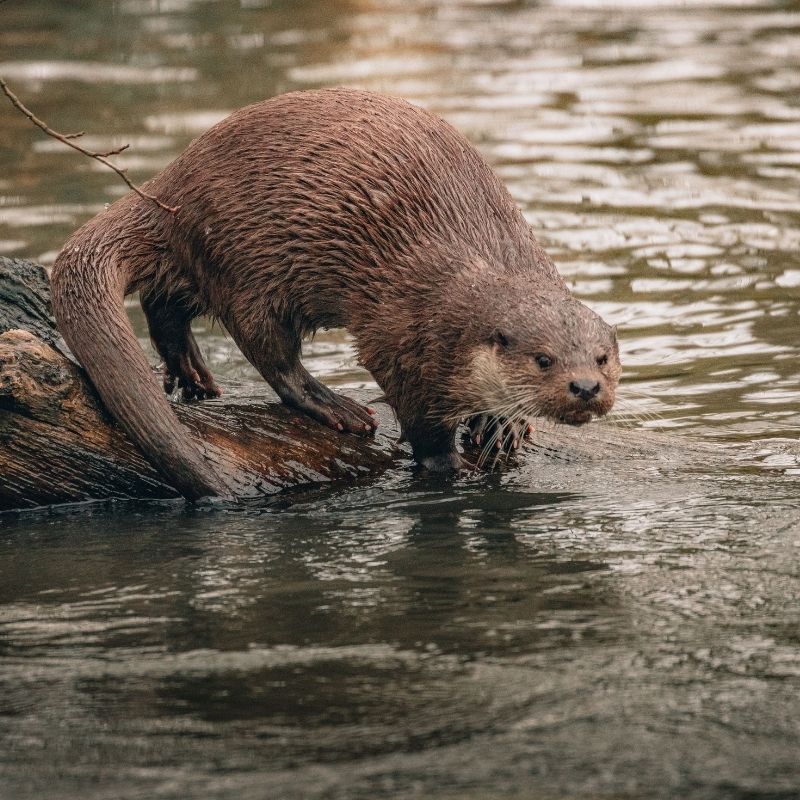
The river otter patrols canals and sloughs in search of fish and crayfish, while the highly adaptable raccoon forages along marsh edges. The Virginia opossum, North America’s only marsupial, scavenges insects and carrion, and the marsh rabbit occupies dense wetland vegetation, serving as a key prey species.
Offshore and near the coast, the bottlenose dolphin represents the marine extension of the Everglades ecosystem, linking inland wetlands with Florida Bay and the Gulf.
Birds: Precision, Timing, and Shallow Water
The Everglades lies along the Atlantic Flyway, making it one of the most important bird landscapes in North America.
Raptors and Fish Hunters
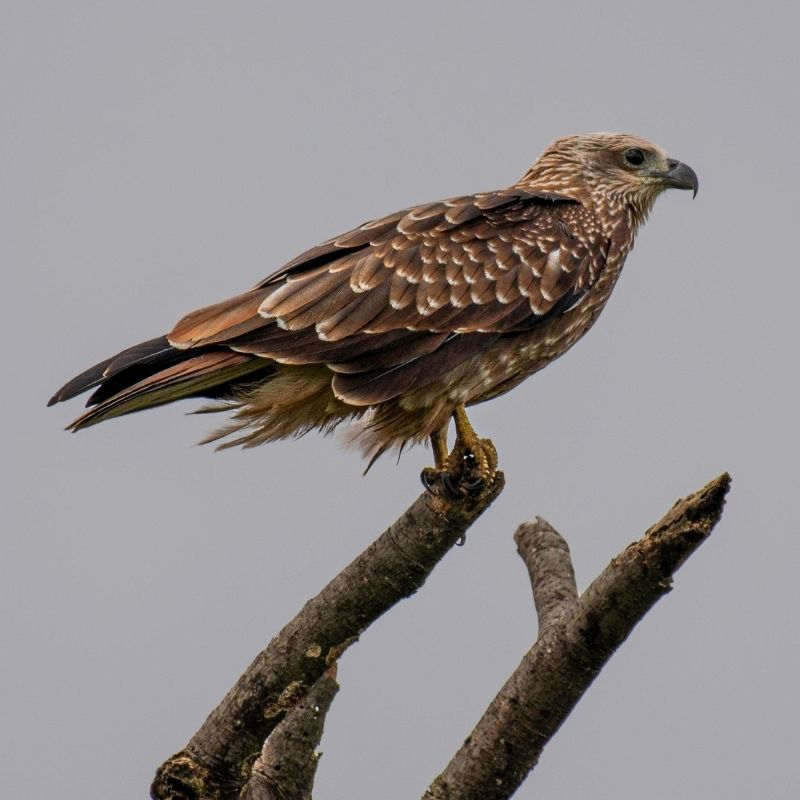
The bald eagle dominates the sky as an opportunistic predator, feeding on fish, waterfowl, and carrion. The osprey, by contrast, is a specialist—hovering before plunging feet-first into water to seize fish. Ospreys succeed in good conditions up to 70% of the time, but they are frequently harassed by bald eagles, which steal prey rather than expend energy hunting themselves.
The Cornell Lab of Ornithology notes that this contrast in hunting strategy allows both raptors to coexist in the same waters.
Wading and Wetland Birds
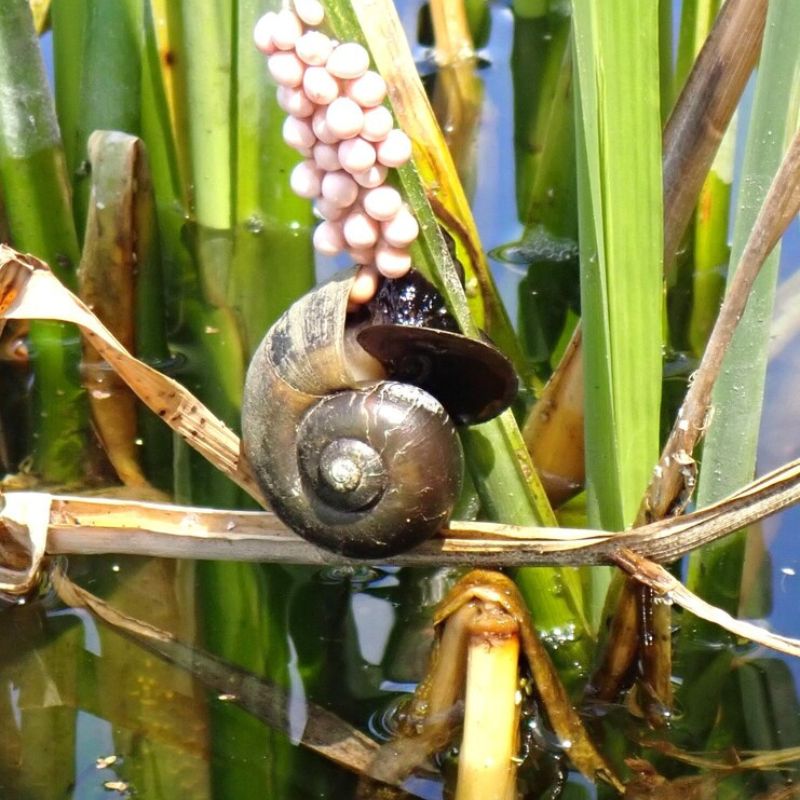
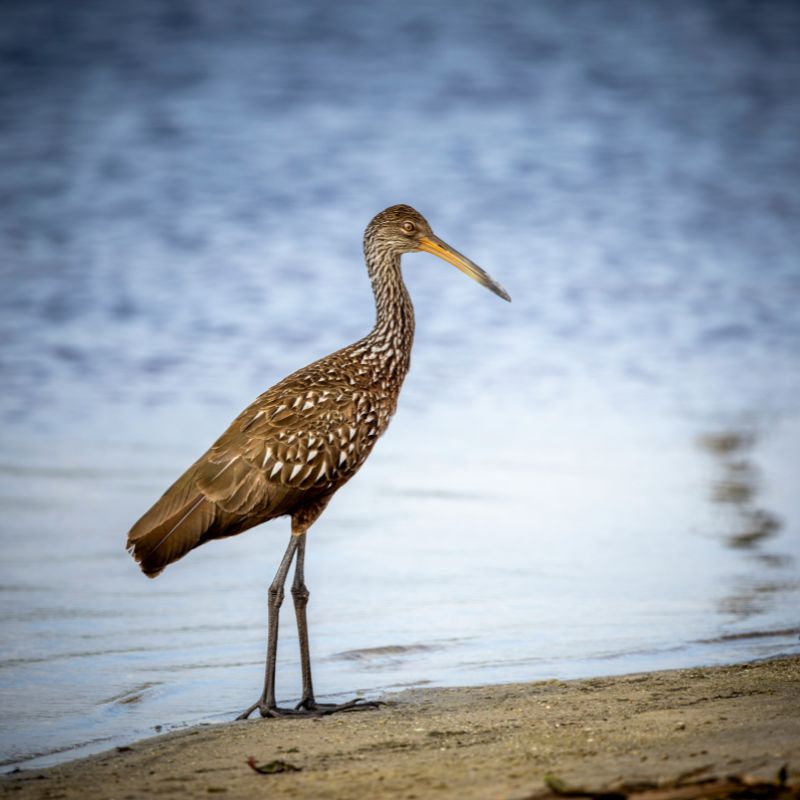
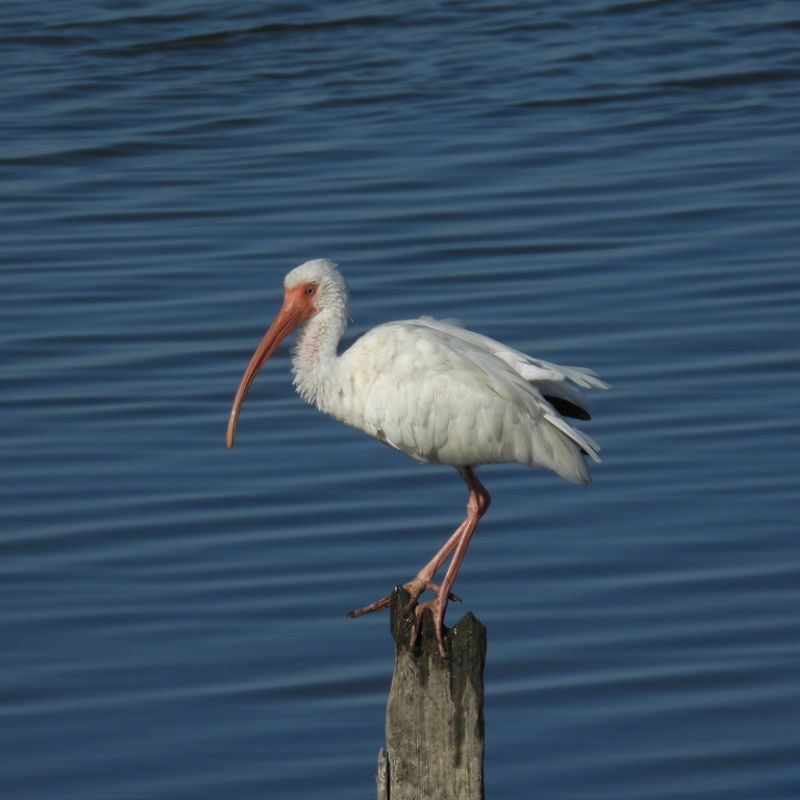
Seasonal drying concentrates fish and invertebrates, drawing in wading birds such as the great blue heron, great egret, wood stork, and roseate spoonbill. The white ibis probes soft mud for invertebrates, while two specialists—the snail kite and the limpkin—depend heavily on apple snails for survival.
Reptiles: Ancient Architects of the Marsh
Reptiles are among the most visible—and influential—animals in the Everglades.
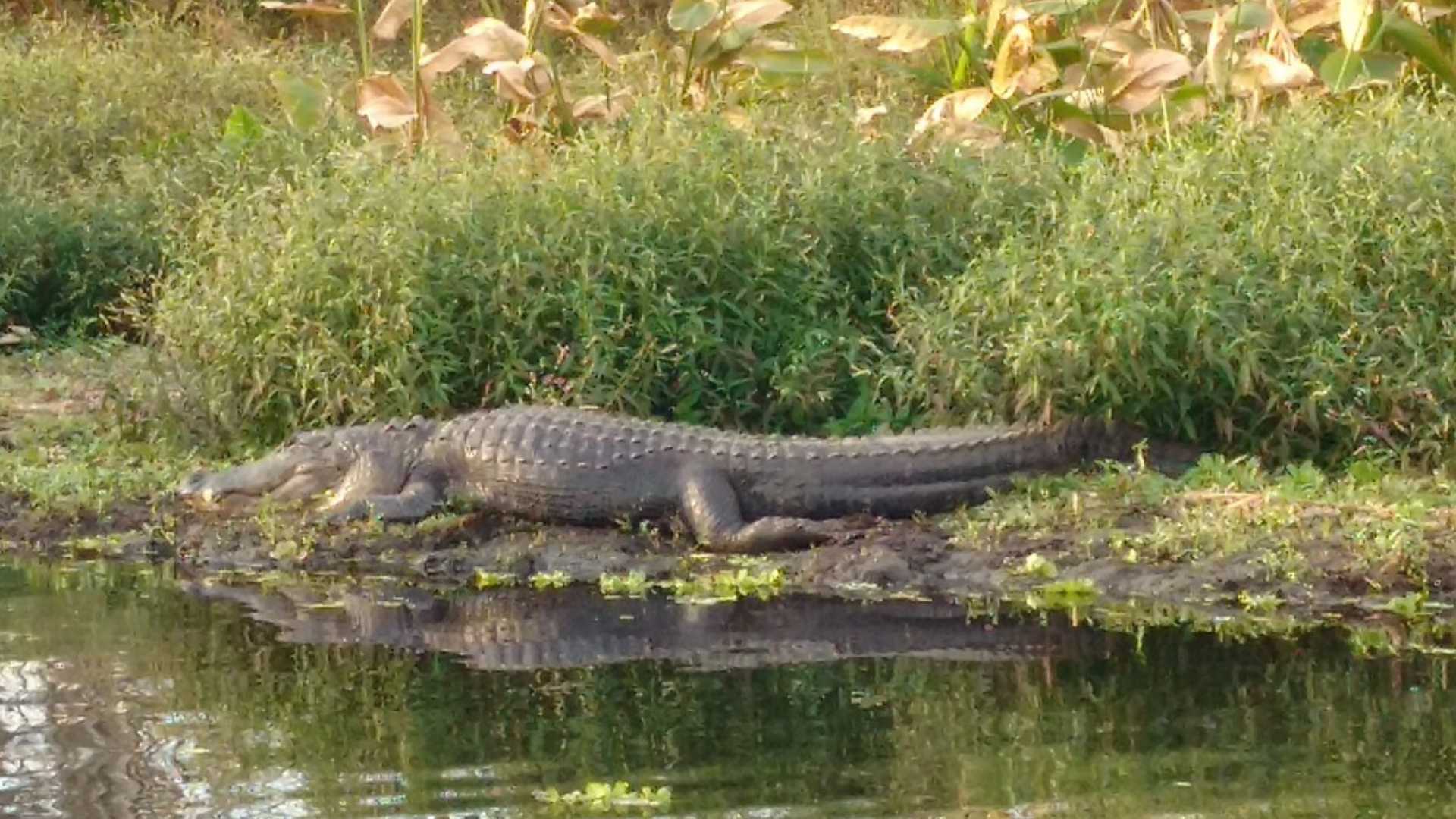
The American alligator is both a top predator and a keystone species. During dry seasons, it excavates “gator holes” that retain water when surrounding marshes dry out. These refuges sustain fish, amphibians, invertebrates, and the birds and mammals that depend on them.
The American crocodile, rarer and more coastal, inhabits brackish waters and mangrove shorelines. Other reptiles include the Florida softshell turtle, adapted to shallow freshwater, and the green anole, a small lizard common on tree islands.
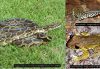
In contrast, the Burmese python—an invasive species—has dramatically reduced populations of native mammals, disrupting long-established ecological relationships.
Fish: The Quiet Engine Beneath the Surface
Fish form the energetic backbone of the Everglades, transferring nutrients from algae and invertebrates to birds, reptiles, and mammals.
Common species include the Florida gar and bowfin, both ancient fish adapted to low-oxygen water, and the largemouth bass, a dominant freshwater predator. Smaller fish such as the sailfin molly, mosquitofish, and bluegill occur in immense numbers and sustain much of the food web. The striped mullet links freshwater marshes with coastal and marine systems.
Amphibians: Early Warning Signals
Amphibians thrive where water quality is stable. The Everglades supports the American bullfrog, green treefrog, oak toad, and southern leopard frog. Because their skin absorbs water directly, amphibians are often the first animals to decline when wetlands are stressed—making them biological early-warning systems.
Insects & Invertebrates: The Foundation Few Notice
Invertebrates account for most of the animal biomass in the Everglades.
The Florida apple snail is a keystone species, supporting snail kites, limpkins, and many other predators. Crayfish recycle nutrients by feeding on decaying vegetation and algae. Insects such as dragonflies—efficient aerial hunters—and the zebra longwing butterfly, Florida’s state butterfly, contribute to pollination, pest control, and energy flow.
Though often overlooked, these small creatures keep the entire ecosystem functioning.
Snapshot Comparison: Representative Everglades Animals
| Animal | Ecological Role |
| Florida panther | Apex predator |
| American alligator | Keystone engineer |
| Bald eagle | Top avian predator |
| Florida manatee | Aquatic grazer |
| Apple snail | Keystone prey |
Quick Facts: Everglades Wildlife
| Feature | Detail |
| Major animal groups | Mammals, birds, reptiles, fish, amphibians, insects |
| Keystone species | American alligator, apple snail |
| Endangered icons | Florida panther, manatee, snail kite |
| Typical water depth | Under 0.6 m (2 ft) |
| Ecosystem type | Subtropical wetland |
Key highlights
- 70+ species are threatened or endangered
- Seasonal water flow determines feeding and breeding success
Conclusion: A Community Shaped by Water
The animals of the Everglades are not isolated residents. They are participants in a tightly connected system shaped by water—its depth, its timing, and its movement across the land. From insects and snails to panthers and eagles, every species reflects a long evolutionary conversation with this landscape.
Protecting the Everglades means protecting relationships, not just wildlife. When water flows naturally, diversity thrives. When it doesn’t, the web frays—often beginning with the smallest lives.
In that sense, the Everglades is more than a refuge. It is a reminder that in nature, survival is collective—and balance is everything.
References & Trusted Sources
- National Park Service. Everglades National Park: Wildlife & Ecosystems.
- U.S. Fish and Wildlife Service. Florida Panther, Manatee, and Everglades Wildlife Conservation.
- U.S. Geological Survey. South Florida Ecosystem Science.
FAQs
What kinds of animals live in the Everglades?
The Everglades is home to mammals, birds, reptiles, fish, amphibians, and insects, including Florida panthers, alligators, wading birds, fish, frogs, and keystone invertebrates like apple snails.
Why is the Everglades so rich in wildlife?
Its shallow water, seasonal flooding, and diverse habitats—marshes, sloughs, tree islands, and mangroves—create ideal conditions for highly specialized species.
Which animals are unique or iconic to the Everglades?
Iconic species include the Florida panther, American alligator, Florida manatee, snail kite, roseate spoonbill, and apple snail.
Are there invasive animals in the Everglades?
Yes. The Burmese python is a major invasive species that has significantly reduced populations of native mammals and disrupted food webs.