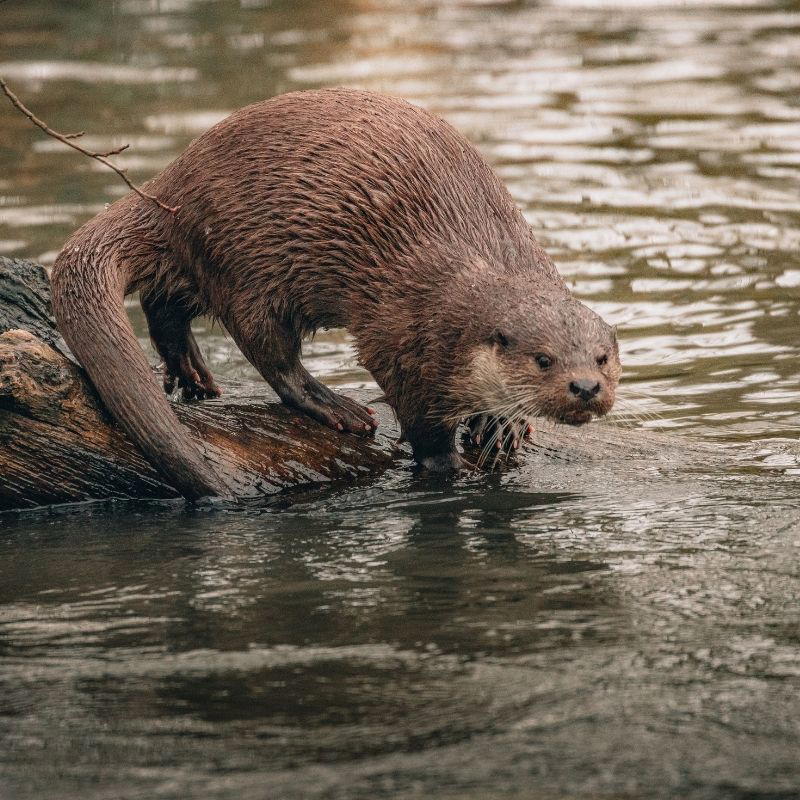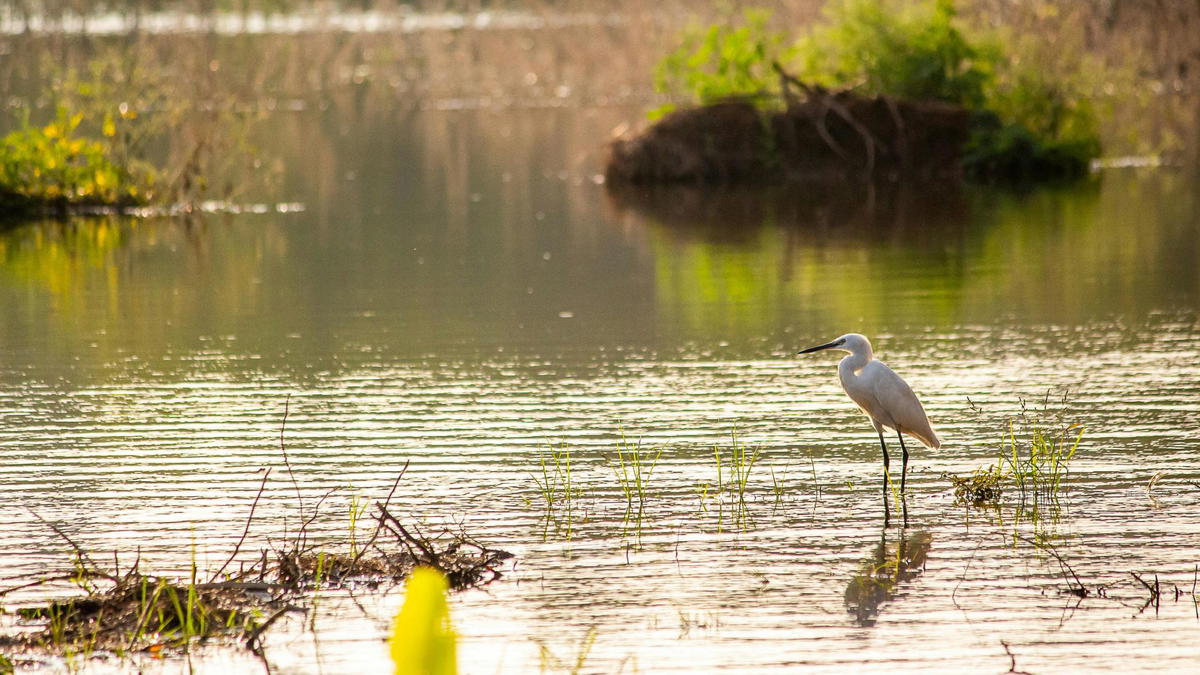
Every dry season, something remarkable unfolds across the Everglades. As water levels drop and shallow pools begin to shrink, thousands of fish become trapped in ever-tightening pockets of warm, oxygen-depleted water. American alligators, sensing the opportunity, excavate depressions in the marl with their powerful limbs and tails — creating what biologists call “alligator holes.” These small oases become lifelines. Wading birds, otters, turtles, and amphibians converge from miles around, drawn by the concentration of prey. When the rains return and the water floods back across the sawgrass plains, the survivors disperse and repopulate the broader landscape.
This single behavior — one species engineering habitat for dozens of others — captures what makes Florida’s wetlands unlike anything else in North America. They are not passive landscapes. They breathe, pulse, and respond. They are, in the truest ecological sense, alive.
Florida’s wetlands cover approximately 11.4 million acres, or roughly 29% of the state’s total land area, making it one of the most wetland-rich states in the contiguous United States (Florida Department of Environmental Protection). The Everglades alone — the largest subtropical wilderness in North America — spans over 1.5 million acres and supports more than 300 species of birds, 40 species of mammals, and at least 50 species of reptiles (South Florida Water Management District). Coastal mangrove forests protect over 1,800 miles of Florida shoreline. Cypress swamps sequester carbon at rates comparable to tropical rainforests.
These are not peripheral ecosystems. They are the engine of Florida’s natural world.
How to Use This Hub
This hub is your gateway into Florida’s wetland ecosystems. New to wetlands? Start with the foundational sections below. Researching a specific animal? Jump to Iconic Animals of Florida Wetlands and follow the profile links. Teaching an ecosystem unit? The food web section and linked infographics are designed for classroom use. Everything here connects outward to deeper articles, animal profiles, and free downloadable resources.
What Are Wetlands?
Wetlands are ecosystems defined by the persistent or periodic presence of water at or near the soil surface. That simple condition — waterlogged soils — triggers a cascade of ecological consequences. It limits oxygen in the soil, selecting for specialized plants called hydrophytes. It creates rich, productive conditions for invertebrates, amphibians, and fish. It filters sediments and nutrients from water moving through the landscape. And it stores carbon at rates that dwarf most terrestrial ecosystems.
In Florida, wetlands take several distinct forms depending on water source, salinity, vegetation, and hydrology. What unites them is their role as transition zones — places where land and water overlap, and where that overlap generates outsized ecological productivity.
Florida’s wetlands can be broadly divided into three categories: freshwater wetlands (marshes, cypress swamps, wet prairies, and floodplain forests), coastal wetlands (mangroves, salt marshes, and estuaries), and seasonal wetlands that flood during the rainy season and dry out in winter and spring. Each type supports its own community of species, but they are deeply interconnected — water, nutrients, and animals move between them constantly.
Major Types of Florida Wetlands
Freshwater Marshes
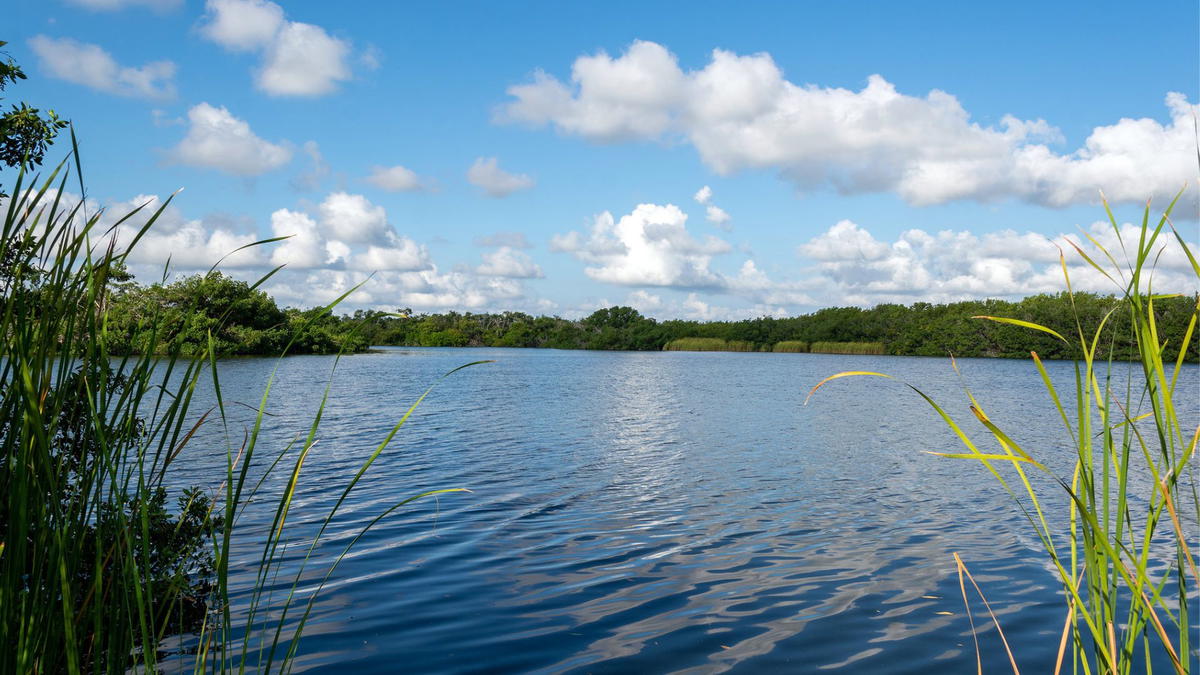
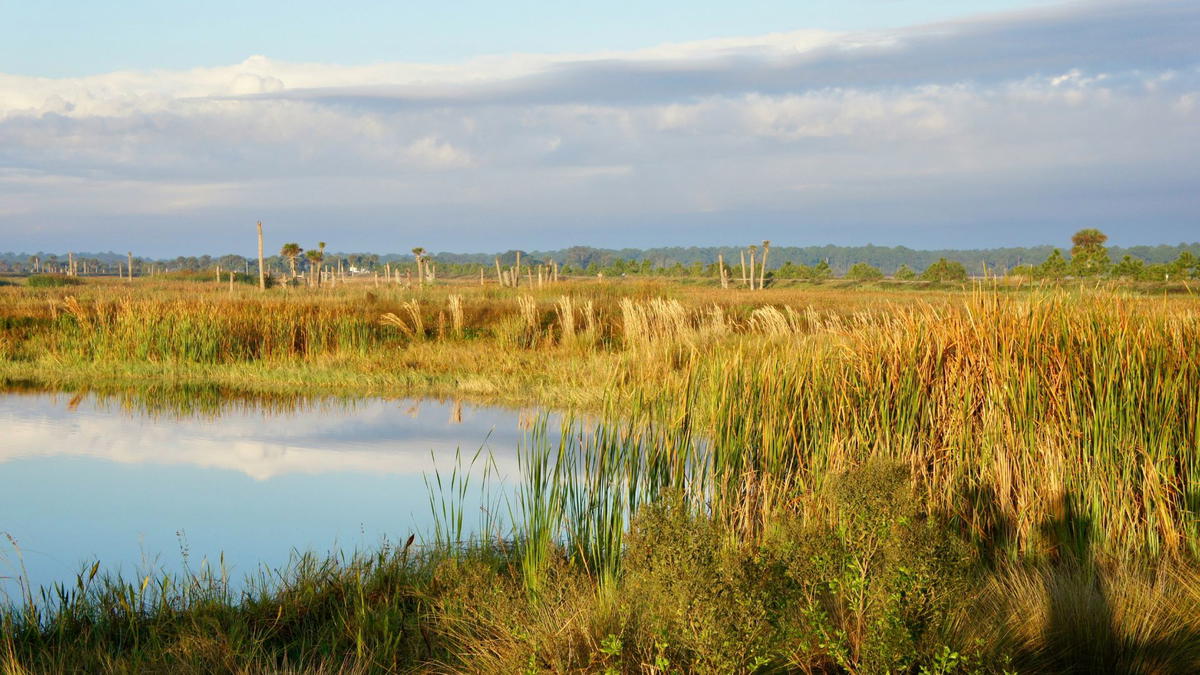
Marshes are open, shallow wetlands dominated by emergent plants — sawgrass, cattails, pickerelweed, and spike rush. The Everglades is the most iconic example, described by Marjory Stoneman Douglas as a “river of grass”: a slow, 60-mile-wide sheet of water moving imperceptibly southward from Lake Okeechobee toward Florida Bay.
But Florida’s freshwater marshes extend far beyond the Everglades. Lake Okeechobee’s littoral zone, the Kissimmee River floodplain, and the vast marshes of the St. Johns River watershed all support comparable communities of wading birds, fish, turtles, and alligators. These shallow, sunlit waters are among the most productive ecosystems on Earth in terms of biomass production per unit area (Mitsch & Gosselink, Wetlands, 5th ed., 2015).
Cypress Swamps
Where water is deeper and more permanent, cypress trees dominate. Bald cypress (Taxodium distichum) and pond cypress (Taxodium ascendens) are uniquely adapted to standing water, developing distinctive “knees” — woody projections thought to aid gas exchange in anaerobic soils. Their buttressed trunks create cathedral-like spaces above the waterline, draped in Spanish moss and bromeliads.
Cypress swamps are structurally complex habitats. The tangle of roots, submerged logs, and overhanging canopy provides cover for black bears, river otters, barred owls, and dozens of amphibian species. The Big Cypress National Preserve — roughly 720,000 acres of cypress domes, strands, and prairies — is one of the largest protected wetland complexes in the eastern United States (National Park Service).
Coastal Mangrove Forests
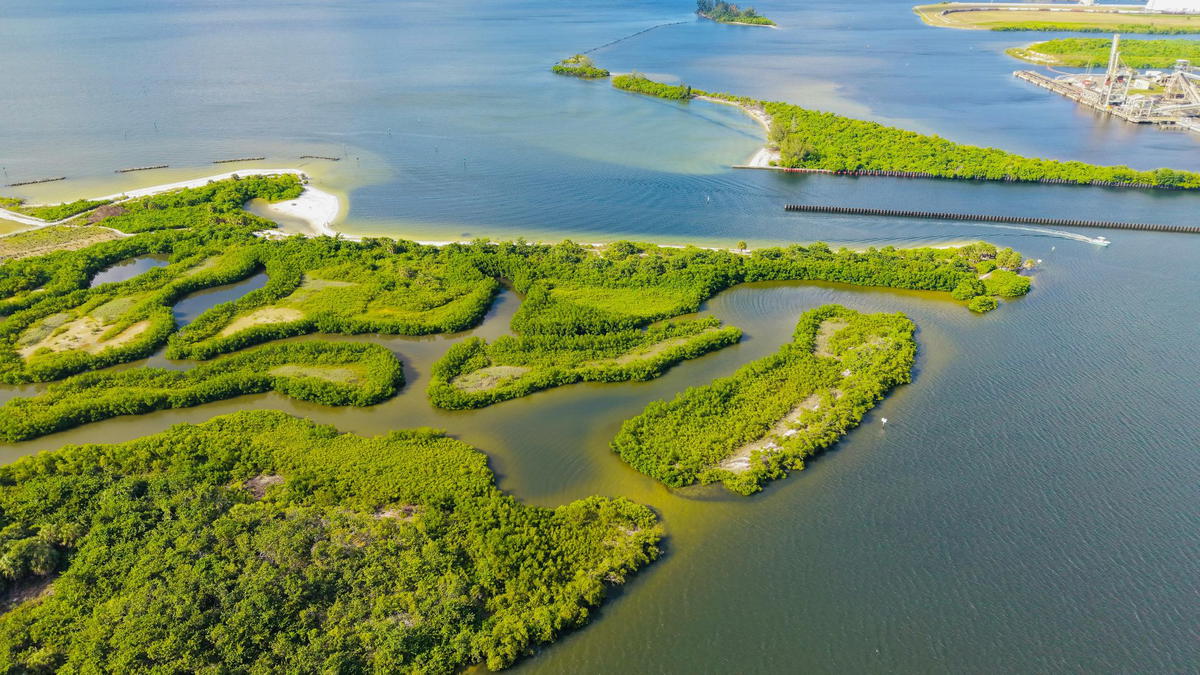
Along Florida’s Gulf and Atlantic coasts, where salt and fresh water meet, mangrove forests form a living interface between land and sea. Three species dominate: red mangrove (Rhizophora mangle), which colonizes open water on prop roots; black mangrove (Avicennia germinans), which tolerates higher salinities and sends pneumatophores up through the mud; and white mangrove (Laguncularia racemosa), which occupies higher, drier ground.
Florida supports roughly 469,000 acres of mangrove forest — approximately 80% of all mangroves in the continental United States (Florida Fish and Wildlife Conservation Commission). These forests do extraordinary ecological work. Their submerged root systems are nursery habitat for snook, tarpon, red drum, and dozens of commercially important fish species. They trap sediments and reduce wave energy, providing measurable protection to coastlines and infrastructure during storms. And they sequester carbon in their soils at rates two to four times higher than tropical forests — a function that has gained significant attention in recent climate research (Murdiyarso et al., Nature Climate Change, 2015).
Wet Prairies and Seasonal Wetlands
Florida’s wet prairies — shallow, seasonally flooded grasslands — cover vast areas between deeper marsh systems and upland habitats. They flood during the rainy season (roughly June through September) and dry to bare ground or cracked marl in winter and spring. This boom-and-bust hydrology, frustrating to casual observers, is precisely what makes them valuable.
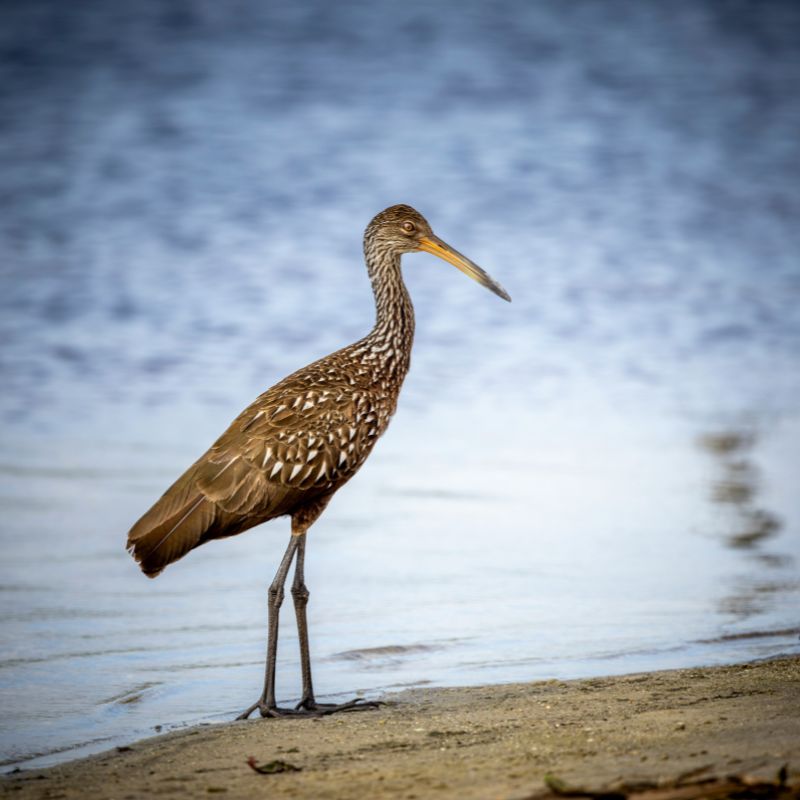
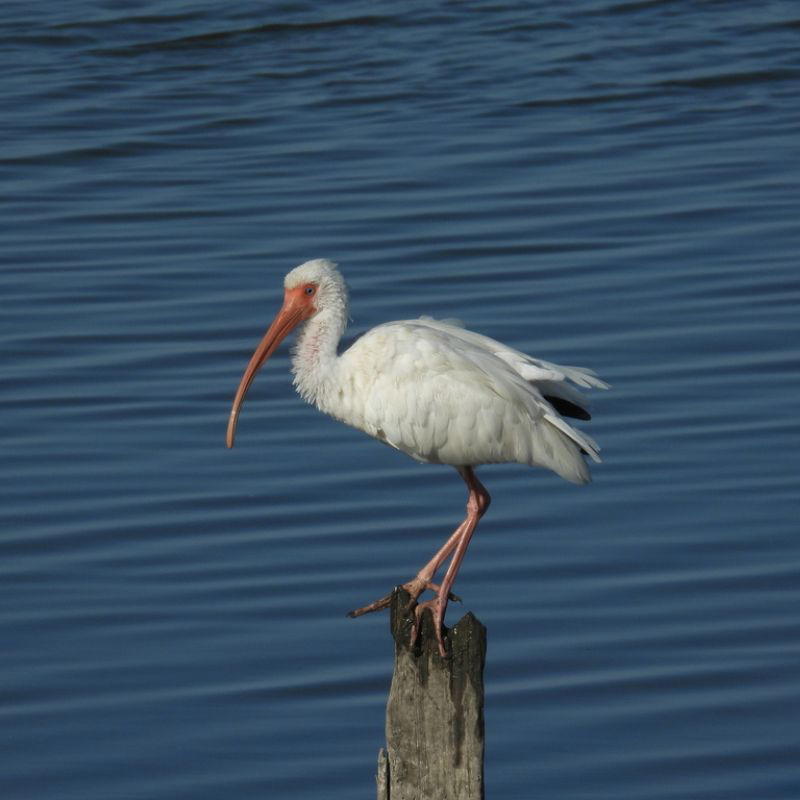
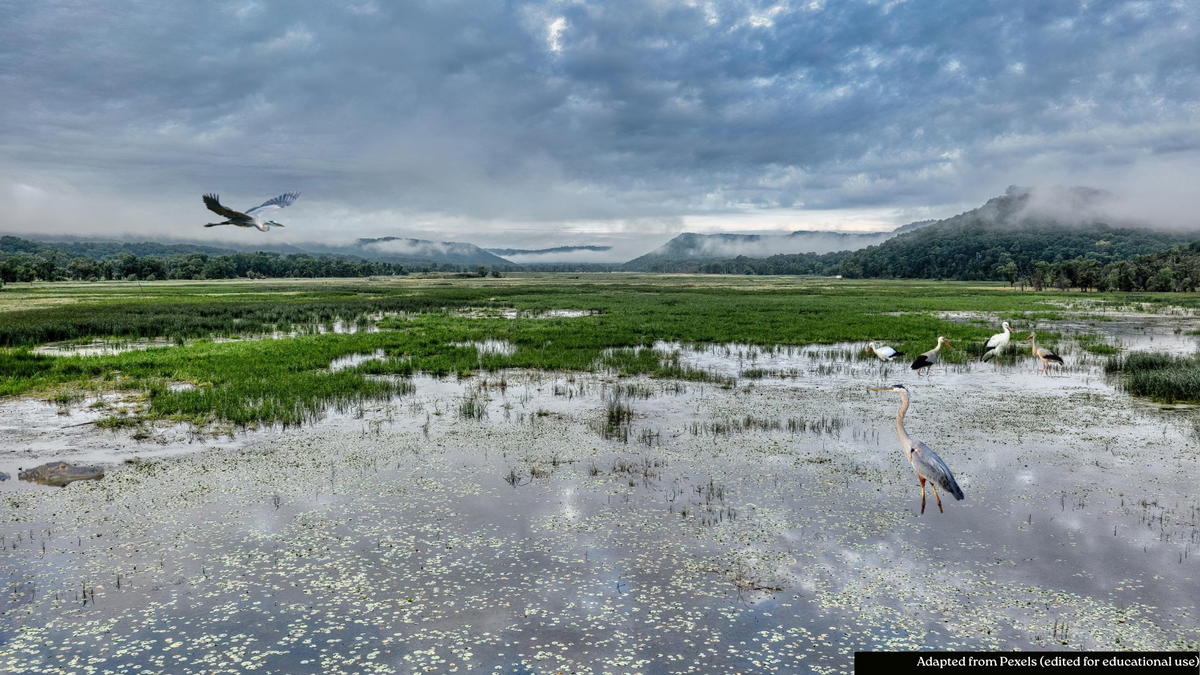
Wet prairies are critical breeding and foraging habitat for sandhill cranes, white ibis, and dozens of shorebird species that depend on the exposed mudflats created during drawdown. Their seasonal drying also concentrates fish, providing feeding opportunities that drive the foraging ecology of the entire wading bird community.
Why Florida Wetlands Matter
Water Storage and Flood Regulation
Wetlands function as natural sponges, absorbing excess rainfall during Florida’s intense summer storms and releasing it slowly over subsequent weeks and months. The Everglades historically stored and conveyed enormous volumes of water across South Florida, maintaining relatively stable conditions in estuaries and coastal bays. The fragmentation of this system through drainage canals and levees has disrupted this storage capacity — a central reason why South Florida experiences both more severe flooding and more severe droughts than it did historically (USGS Greater Everglades Priority Ecosystems Science).
The economic value of this function is substantial. A 2010 analysis estimated that Florida wetlands provide over $17 billion annually in flood control, water supply, and water quality services (Brouwer & Spaninks, as cited in Florida DEP Wetlands Assessment).
Water Quality Filtration
As water moves through a wetland, plants, soil microbes, and algal mats absorb nutrients, trap sediments, and transform pollutants. Wetland soils are particularly effective at removing excess nitrogen and phosphorus — nutrients that, in high concentrations, fuel algal blooms in downstream rivers, lakes, and coastal waters.
This filtration function is under strain across Florida. Agricultural runoff and urban stormwater have elevated phosphorus levels in Everglades water far above the natural baseline of approximately 10 parts per billion. At elevated levels, phosphorus drives the replacement of native sawgrass and slough communities with dense cattail monocultures — a transformation that has already affected hundreds of thousands of Everglades acres (Davis & Ogden, Everglades: The Ecosystem and Its Restoration, 1994).
Biodiversity and Wildlife Habitat
Florida’s wetlands support one of the most diverse wildlife communities in North America. More than 360 bird species use Everglades habitats at some point during the year, including 16 species of wading birds that breed in large colonial rookeries (Audubon Florida). The region is the only place in the world where American alligators and American crocodiles coexist.
Wetland-dependent mammals include the Florida black bear, river otter, mink, and the critically endangered Florida panther — fewer than 200 individuals of which survive, largely in wetland-adjacent habitats in Southwest Florida (Florida Fish and Wildlife Conservation Commission, 2023 population estimate). Without wetlands as travel corridors and prey-rich hunting grounds, panther recovery is biologically impossible.
Carbon Storage and Climate Regulation
Wetland soils — particularly the deep peat soils of the Everglades and coastal mangroves — store vast quantities of organic carbon accumulated over thousands of years. When wetlands are drained and peat oxidizes, this stored carbon is released as CO₂. Florida’s mangrove forests alone store an estimated 68.4 million metric tons of carbon in their soils, an amount equivalent to roughly three years of carbon emissions from all passenger vehicles in the state (Dontis et al., Estuaries and Coasts, 2020).
This makes wetland protection and restoration not only an ecological priority but a measurable climate strategy.
Iconic Animals of Florida Wetlands
American Alligator (Alligator mississippiensis)
The American alligator is the keystone species of Florida’s freshwater wetlands — a top predator whose behavior shapes the habitat available to dozens of other species. Beyond digging alligator holes, gators also build and maintain nesting mounds that, when abandoned, become elevated dry sites used by other species. Their population recovery from near-extinction in the mid-20th century to an estimated 1.3 million individuals in Florida today (FWC) is one of the landmark successes of the Endangered Species Act.
→ [Read the full American Alligator profile]
Florida Panther (Puma concolor coryi)
North America’s most endangered large mammal, the Florida panther is an apex predator whose survival is inextricably tied to the integrity of South Florida’s wetland mosaic. Panthers require large, connected home ranges — adult males may roam territories exceeding 200 square miles — and they depend on wetland corridors to move between prey-rich habitats. The primary threats to panther recovery are habitat fragmentation from development and vehicle collisions on major roads.
→ [Read the full Florida Panther profile]
Wood Stork (Mycteria americana)
The wood stork is a federally threatened wading bird that breeds in large colonies in cypress swamps and uses receding wetlands as foraging habitat. Unlike most wading birds that hunt by sight, the wood stork feeds by feel — sweeping its open bill through the water and snapping it shut on contact with fish. This tactile strategy requires high fish densities, which only occur in the concentrated pools of late dry season. Wood stork nesting success tracks closely with Everglades water management — in years when water levels are manipulated well, colonies of thousands of pairs breed successfully; in poor years, entire colonies may fail (Ogden et al., Colonial Waterbirds, 1987).
→ [Read the full Wood Stork profile]
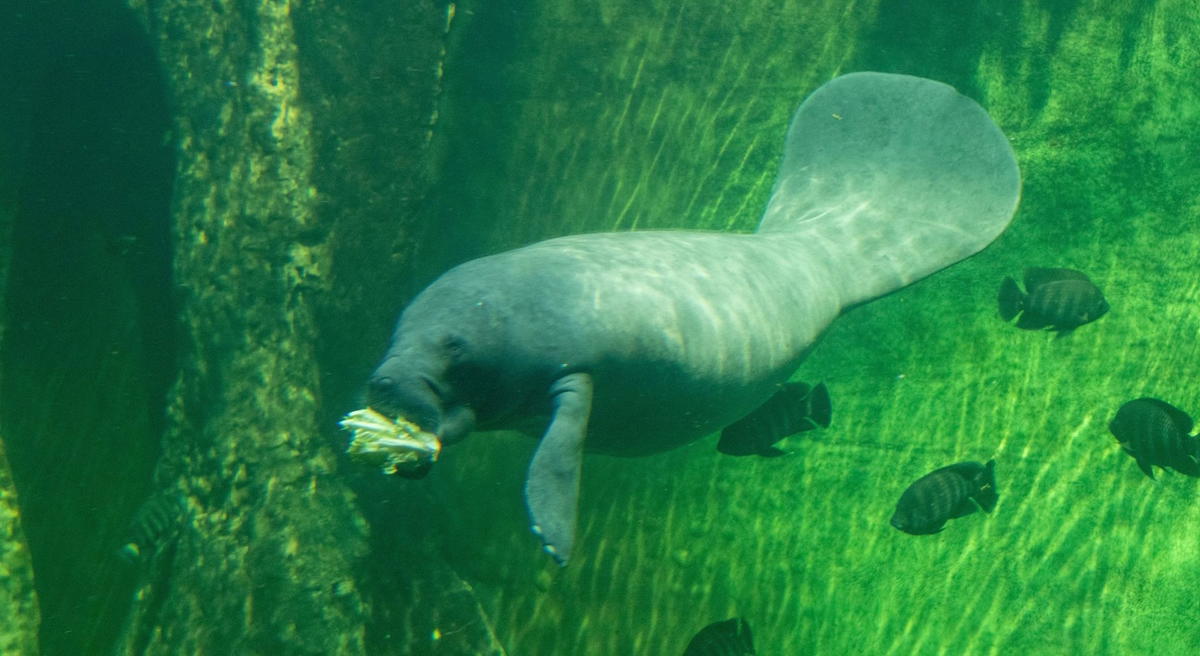
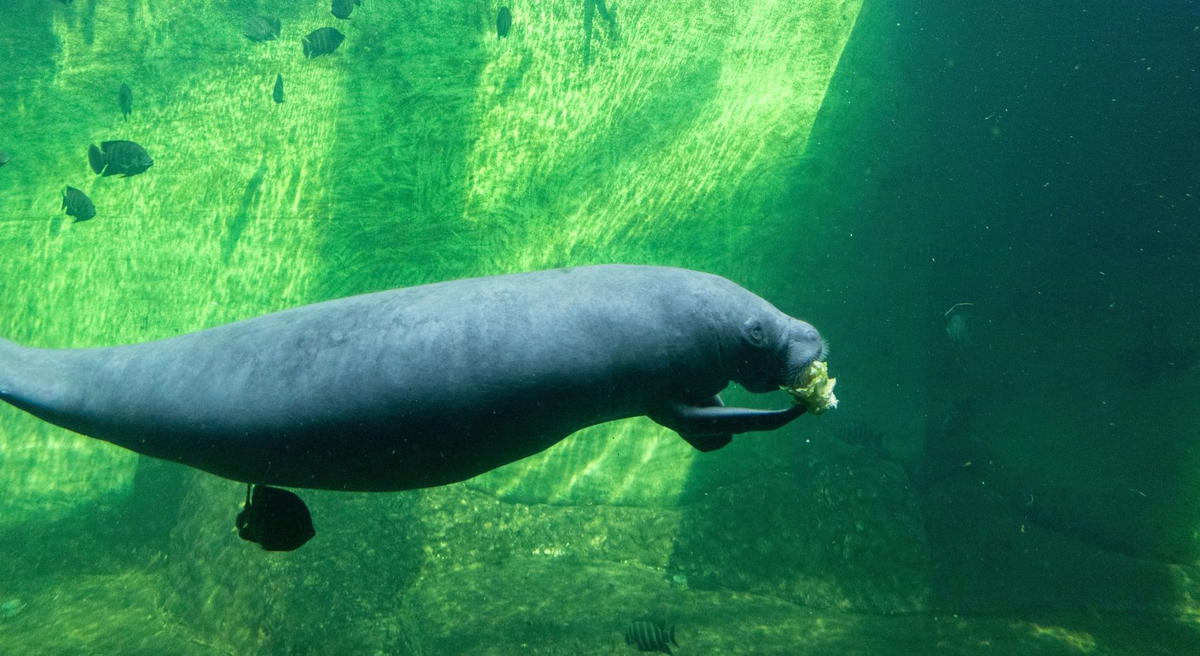
Florida Manatee (Trichechus manatus latirostris)
The Florida manatee — a large, slow-moving marine mammal distantly related to elephants — is intimately connected to coastal and estuarine wetlands. Manatees graze on seagrasses in shallow coastal bays, rest in mangrove-fringed coves, and depend on warm-water springs and power plant outflows during winter cold snaps. Their population, once severely reduced by boat strikes and habitat loss, has shown recovery in recent years, though a mass mortality event in 2021 — linked to seagrass collapse in the Indian River Lagoon — killed over 1,100 individuals in a single year, the highest toll on record (FWC, 2021 Unusual Mortality Event Report).
→ [Read the full Florida Manatee profile]
The Florida Wetland Food Web
Florida’s wetland food webs are driven by primary production in two forms: rooted aquatic plants like sawgrass and water lilies, and vast mats of periphyton — the calcareous algal community that carpets the Everglades substrate and forms the base of nearly every food chain in the system.
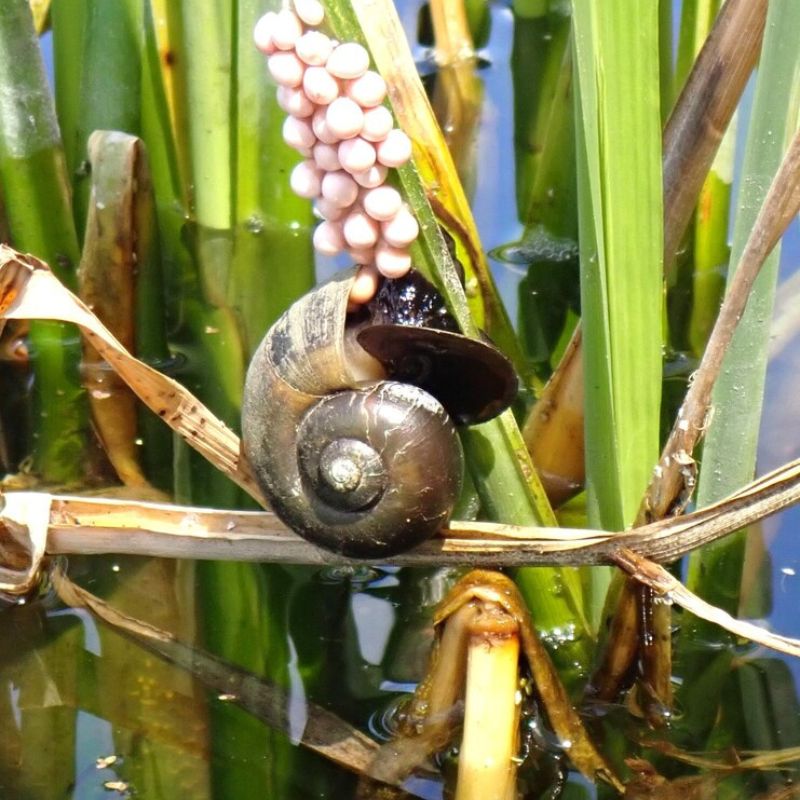
Periphyton feeds small invertebrates: crayfish, aquatic insects, snails, and amphipods. These invertebrates are consumed by small fish — mosquitofish, killifish, and sunfish — which are in turn consumed by larger fish, wading birds, and juvenile alligators. Apex predators — large alligators, Florida panthers, and great blue herons — feed at the top of this chain. Microbes and detritivores complete the cycle, breaking down organic matter and recycling nutrients back into the system.
Even small disruptions to this web have cascading consequences. The introduction of mercury into the Everglades through atmospheric deposition has biomagnified through the food chain to levels that contaminate fish, wading birds, and even Florida panthers — which have shown neurological symptoms associated with mercury toxicity (Facemire et al., Environmental Health Perspectives, 1995).
→ [Explore the Everglades food web article] ·
Threats to Florida Wetlands
Habitat Loss and Fragmentation
Since European settlement, Florida has lost approximately 46% of its original wetland acreage — more than 9.3 million acres drained, filled, or converted for agriculture and urban development (Dahl, Wetlands Losses in the United States, USFWS, 1990). The pace of loss has slowed significantly since the 1970s with the passage of federal and state wetland protection regulations, but net losses continue through permitting exemptions and the gradual degradation of remaining wetlands.
Hydrological Alteration
The construction of more than 1,700 miles of canals, 720 miles of levees, and hundreds of water control structures across South Florida has fundamentally altered the timing, volume, and distribution of water through the Everglades system. Water that once sheet-flowed slowly south now moves rapidly to the ocean through engineered channels, bypassing vast areas of historic wetland habitat. This has reduced the extent of seasonal flooding, degraded water quality, and disrupted the prey-concentration dynamics that wading bird communities depend on.
Invasive Species
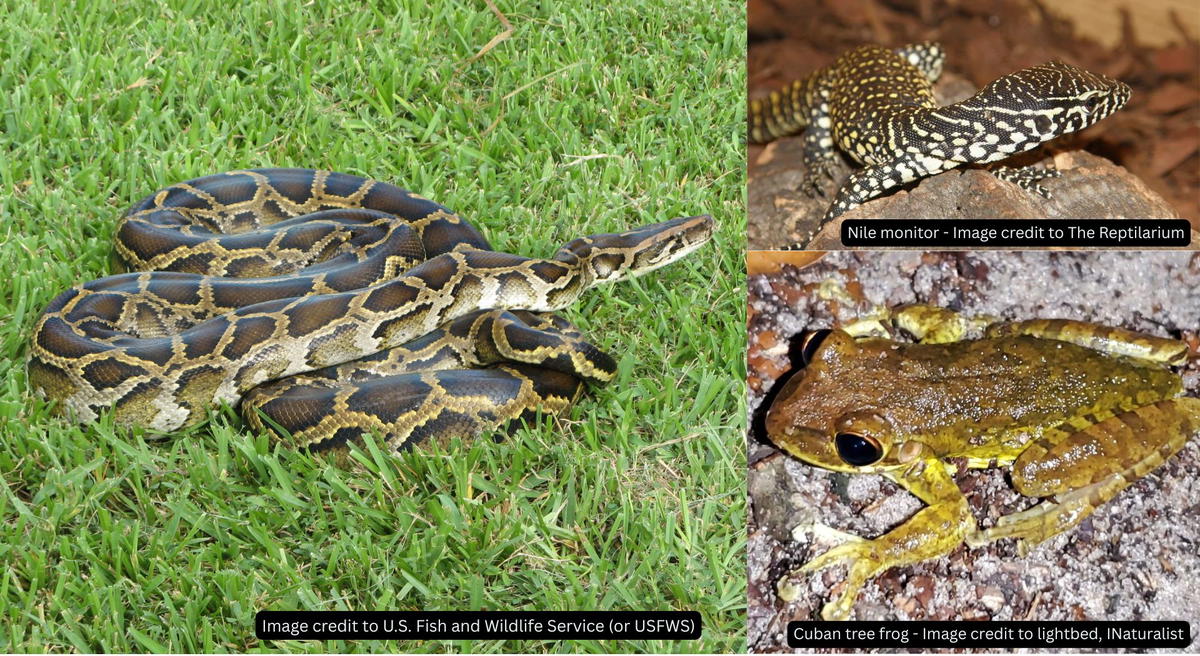
Florida’s wetlands are ground zero for some of the most damaging biological invasions in American conservation history. The Burmese python (Python bivittatus), established in the Everglades since the 1990s, has caused catastrophic declines in small mammal populations across South Florida — surveys have documented population reductions of 85–99% in raccoons, opossums, bobcats, and rabbits in areas with high python densities (Dorcas et al., PNAS, 2012). Without these prey species, higher trophic levels are also affected.
Equally damaging in freshwater systems is the old world climbing fern (Lygodium microphyllum), an invasive vine that smothers cypress trees and sawgrass marshes, and melaleuca (Melaleuca quinquenervia), a dense-canopy Australian tree that has converted hundreds of thousands of acres of open marsh to closed-canopy monoculture.
Climate Change and Sea Level Rise
Sea level rise poses an existential threat to Florida’s coastal wetlands. Mangrove forests and salt marshes can migrate landward as sea levels rise — but only if there is suitable upland habitat available and if the rate of rise does not outpace sediment accretion. Current projections for South Florida anticipate sea level rise of 1.5 to 2.5 feet by 2060 (Southeast Florida Regional Climate Compact, 2020 Unified Sea Level Rise Projection), a rate that threatens to submerge large areas of low-elevation coastal wetland.
Rising temperatures and altered rainfall patterns are also changing the hydrology of inland wetlands, with implications for the species communities that depend on precise seasonal cycles.
Conservation and Restoration
The Comprehensive Everglades Restoration Plan (CERP), authorized by Congress in 2000, is the largest ecosystem restoration effort in United States history. At an estimated cost of over $20 billion and a projected timeline of more than 30 years, CERP aims to restore more natural water flow patterns across the greater Everglades landscape — increasing the volume of water delivered to ecologically critical areas, improving water quality, and reestablishing the seasonal flooding cycles that drive wetland productivity.
Progress has been uneven. Several major projects — including the Picayune Strand Restoration and the Kissimmee River Restoration — have achieved measurable ecological results. The Kissimmee project, which removed 35 miles of channelization and restored 43 miles of the original river meander, has already documented recovery of fish and wading bird communities (SFWMD, Kissimmee River Restoration Monitoring Report, 2021).
Other components of the plan have faced funding delays, litigation, and the complexity of managing water across a landscape dominated by competing human demands.
State-level efforts through the Florida Forever program have protected millions of acres of wetland and upland habitat since 2001. Federal protections under the Clean Water Act Section 404 program regulate wetland filling, though the legal scope of these protections has been narrowed by recent Supreme Court decisions.
Recent Research
Ongoing research continues to refine our understanding of Everglades ecology and restoration effectiveness. A 2022 study published in Science of the Total Environment found that restored freshwater flow to Florida Bay has significantly improved seagrass coverage in the northeastern bay — a critical food source for manatees and green sea turtles — demonstrating a measurable ecosystem response to hydrological restoration within just a few years of flow increases (Fourqurean et al., 2022).
Research on mangrove carbon stocks is equally active. A 2023 study using airborne LiDAR across Florida’s mangrove forests produced the most accurate estimates yet of above-ground biomass and carbon storage, finding that mangrove carbon density in the Ten Thousand Islands region rivals that of any mangrove system globally (Lagomasino et al., Global Change Biology, 2023).
Meanwhile, Burmese python removal programs — including both traditional trapping and the use of trained detection dogs — have intensified, with the Florida Fish and Wildlife Conservation Commission and the South Florida Water Management District removing over 17,000 pythons from the landscape since formal management programs began.
Conclusion: The Foundation of Florida’s Natural World
Florida’s wetlands are not scenic backdrops. They are the functional infrastructure of the state’s ecosystems — storing water, filtering pollution, sequestering carbon, and sustaining the biodiversity that defines Florida’s natural identity. From the alligator hole to the mangrove prop root to the cypress knee, every structural element of these landscapes serves a purpose built by millions of years of evolution.
They are also, by any honest measure, in trouble. Decades of drainage, diversion, invasion, and development have reduced and degraded what was once the largest wetland system in the temperate world. The question is no longer whether Florida’s wetlands have value — that is beyond scientific dispute. The question is whether the political will, financial investment, and sustained scientific commitment exist to restore and maintain them.
The more deeply you understand these ecosystems, the more urgent that question becomes.
→ Continue exploring: [Florida Wildlife Hub]
References
- U.S. Fish and Wildlife Service
Dahl, T.E. (1990). Wetlands losses in the United States: 1780s to 1980s.
→ Foundational report on historical wetland loss in the U.S. - Davis, S.M. & Ogden, J.C. (Eds.). (1994).
Everglades: The Ecosystem and Its Restoration. St. Lucie Press.
→ One of the most authoritative scientific books on Everglades ecology. - Dorcas, M.E., et al. (2012).
Severe mammal declines coincide with proliferation of invasive Burmese pythons in Everglades National Park.
Proceedings of the National Academy of Sciences (PNAS), 109(7), 2418–2422.
→ Landmark study demonstrating ecological impact of invasive species. - Mitsch, W.J. & Gosselink, J.G. (2015).
Wetlands (5th ed.). Wiley.
→ The global reference textbook on wetland ecology and function.
Frequently Asked Questions
What percentage of Florida is covered by wetlands?
Approximately 29% of Florida’s total land area is covered by wetlands — roughly 11.4 million acres. This makes Florida one of the most wetland-rich states in the contiguous United States, though this represents a significant reduction from historical coverage prior to large-scale drainage and development (Florida DEP).
Why are Florida wetlands so important?
Florida wetlands perform critical ecological and economic functions: they store and slowly release water, reducing flood risk; filter pollutants and excess nutrients before they reach rivers and coastal waters; provide habitat for hundreds of wildlife species including several that are found nowhere else on Earth; and store large quantities of carbon in their soils and vegetation. Economists estimate these services are worth billions of dollars annually to Florida’s residents and economy.
What is the largest wetland in Florida?
The Everglades is the largest wetland system in Florida and the largest subtropical wilderness in North America. The federally protected core of the Everglades — Everglades National Park — covers about 1.5 million acres, but the greater Everglades ecosystem, including Big Cypress National Preserve and surrounding managed lands, spans several million acres across South Florida.
What animals live in Florida wetlands?
Florida wetlands support extraordinary wildlife diversity. Iconic species include the American alligator, American crocodile, Florida panther, Florida manatee, wood stork, roseate spoonbill, snail kite, wood stork, sandhill crane, river otter, and dozens of turtle and snake species. The Everglades is also home to the Burmese python, an invasive species that has caused severe ecological damage since its establishment in the 1990s.
What is the biggest threat to Florida wetlands?
Florida wetlands face multiple serious threats, but hydrological alteration — the disruption of natural water flow through drainage canals, levees, and water control structures — is arguably the most pervasive. This affects water quality, seasonal flooding patterns, and the prey dynamics that wetland wildlife communities depend on. Invasive species, climate change, sea level rise, and continued development pressure compound these challenges.
What is being done to restore the Everglades?
The Comprehensive Everglades Restoration Plan (CERP), authorized in 2000 and projected to cost over $20 billion, is the largest ecosystem restoration project in U.S. history. Its goal is to restore more natural water flow patterns across South Florida. Several major components have been completed, including the Kissimmee River Restoration, which has shown measurable ecological recovery. The Florida Forever land acquisition program has also protected millions of acres of wetland and adjacent habitat statewide.
Are Florida wetlands good for carbon storage?
Yes — Florida’s wetlands are among the most carbon-dense ecosystems in North America. Mangrove forests are particularly effective, storing carbon in both their above-ground biomass and deep, oxygen-depleted soils at rates two to four times higher than tropical forests. Estimates suggest Florida’s mangroves alone store approximately 68.4 million metric tons of soil carbon. Peat-forming freshwater wetlands like the Everglades also contain enormous stores of soil carbon accumulated over millennia.