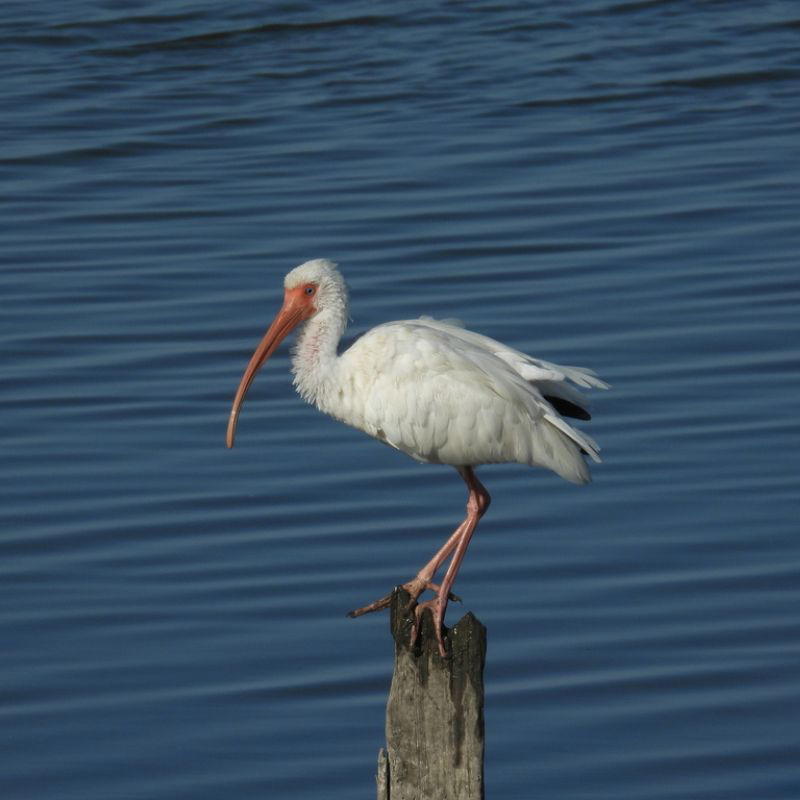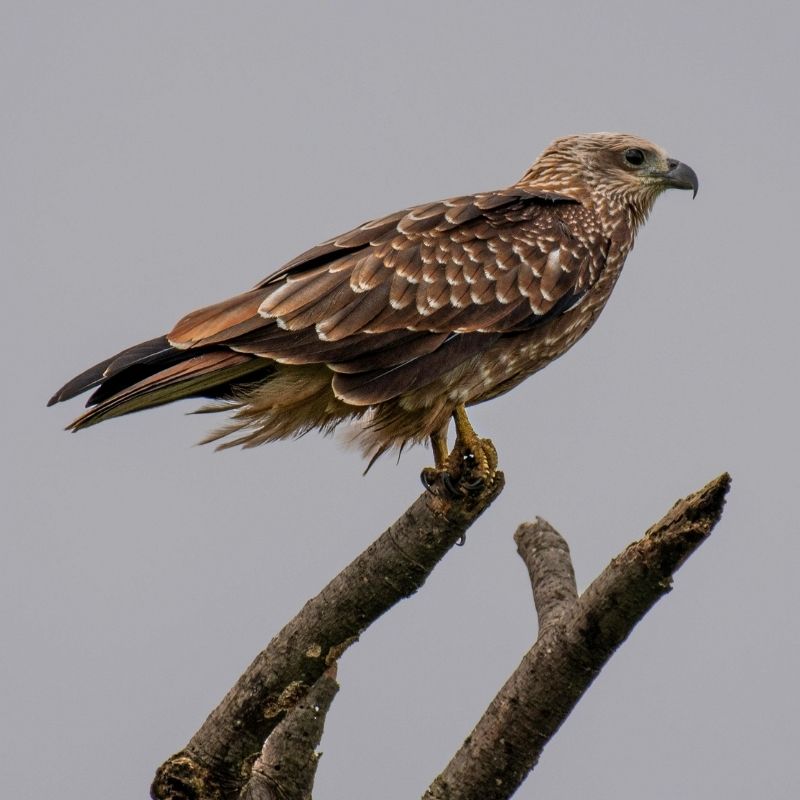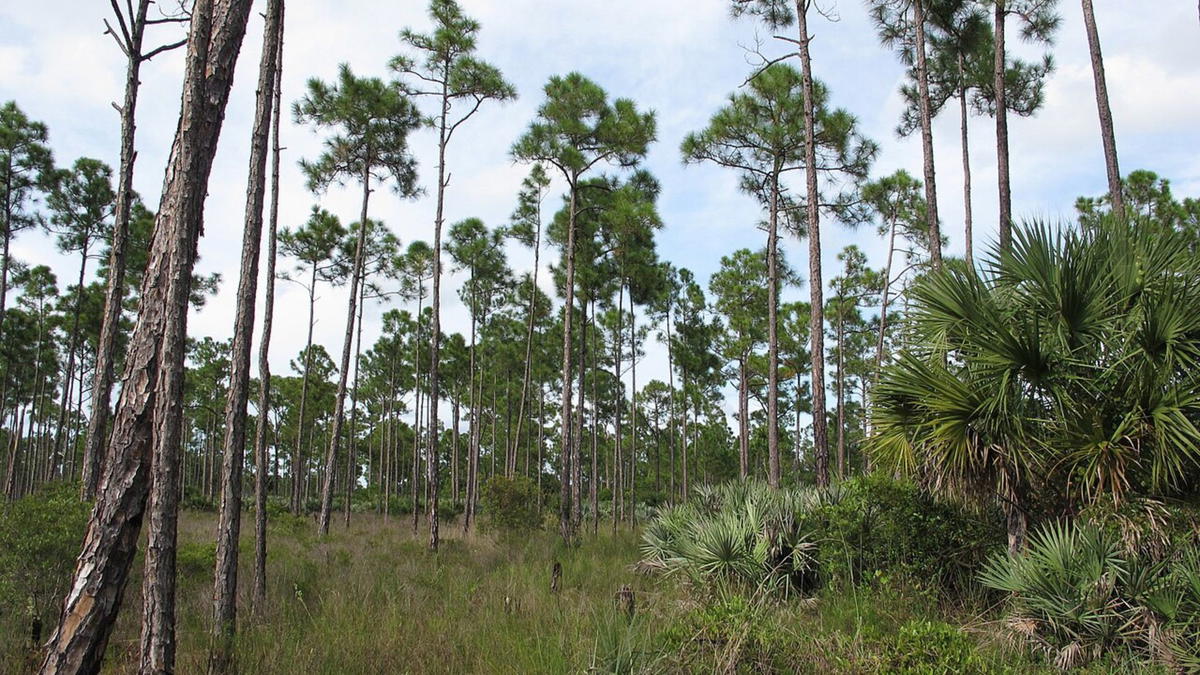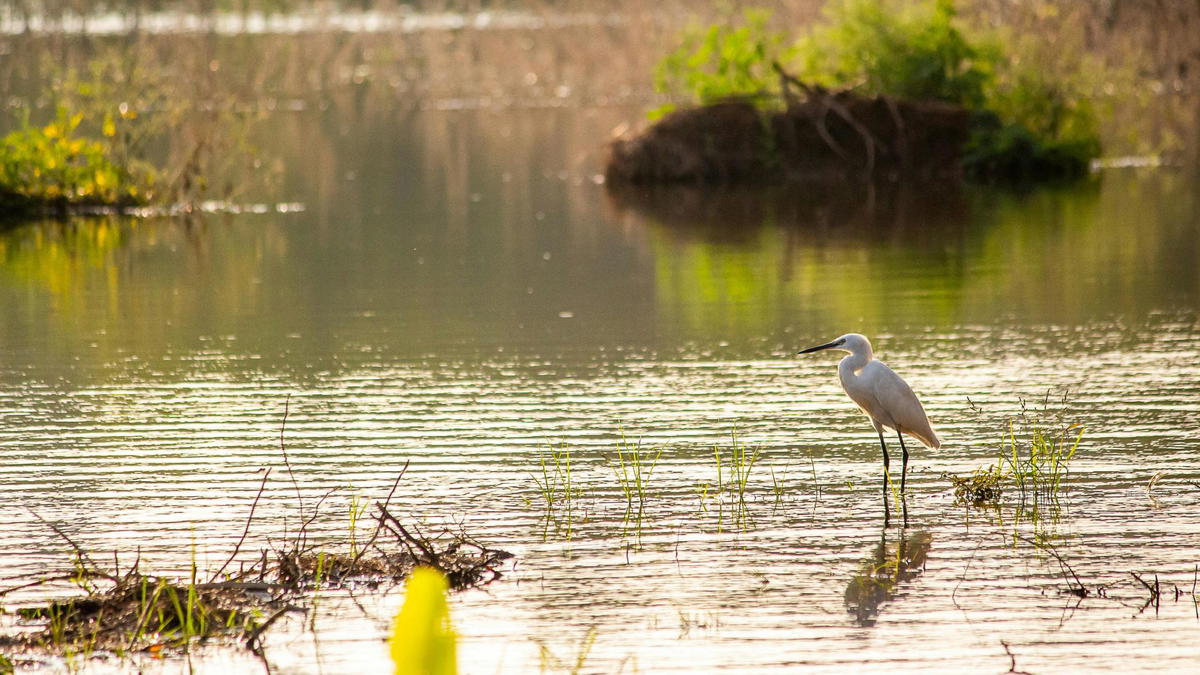
Florida possesses one of the longest and most ecologically diverse coastlines of any U.S. state — 1,350 miles of shoreline where Atlantic currents meet Gulf warmth, where freshwater meets saltwater, and where the land itself seems uncertain of its own edges. This ambiguity is not a weakness. It is the engine of extraordinary biodiversity.
Six distinct coastal ecosystem types define Florida’s shoreline: mangrove forests, estuaries, salt marshes, seagrass meadows, beach and dune systems, and nearshore coral reefs. Each functions as its own ecological engine — producing oxygen, filtering nutrients, storing carbon, and sustaining food webs that ultimately support hundreds of vertebrate species, including some of North America’s most imperilled animals.
This hub brings together NativesOfNature’s complete Florida Coastal Ecosystems coverage: in-depth species profiles, ecosystem explainers, conservation guides, and educational resources reviewed by our zoology team. Whether you’re a student, a wildlife watcher, or an educator building a unit on coastal ecology, this is your starting point.
What Makes Florida’s Coastline Ecologically Extraordinary
Most coastal states have one dominant shoreline character — cliffs, sandy beaches, or marshland. Florida has all of them, often within the same county. This diversity is a product of geography, geology, and climate converging in an unusually flat peninsula.
Florida sits at the meeting point of temperate and tropical zones. The panhandle experiences four seasons; the Florida Keys are climatically Caribbean. This north-south gradient means that cold-tolerant marsh sparrows nest within 200 miles of thermophilic queen conch. No other U.S. state compresses this much climatic range across its coastline.
The state’s geology amplifies this richness. Florida rests on a carbonate platform — ancient limestone built from compressed marine organisms — which dissolves easily into caves, springs, and shallow bays that warm rapidly and host dense seagrass beds. The shallow, warm, nutrient-rich waters of Florida Bay and Charlotte Harbor are among the most productive marine environments in the temperate world.
Key fact: According to NOAA, Florida’s coastal and marine ecosystems support over $20 billion in economic value annually through fisheries, tourism, and storm protection. The ecological services of mangroves alone — estimated at $10,000–$15,000 per hectare per year — rival the value of agricultural land in the same region (Costanza et al., 2014).
Mangrove Forests: Florida’s Coastal Architects
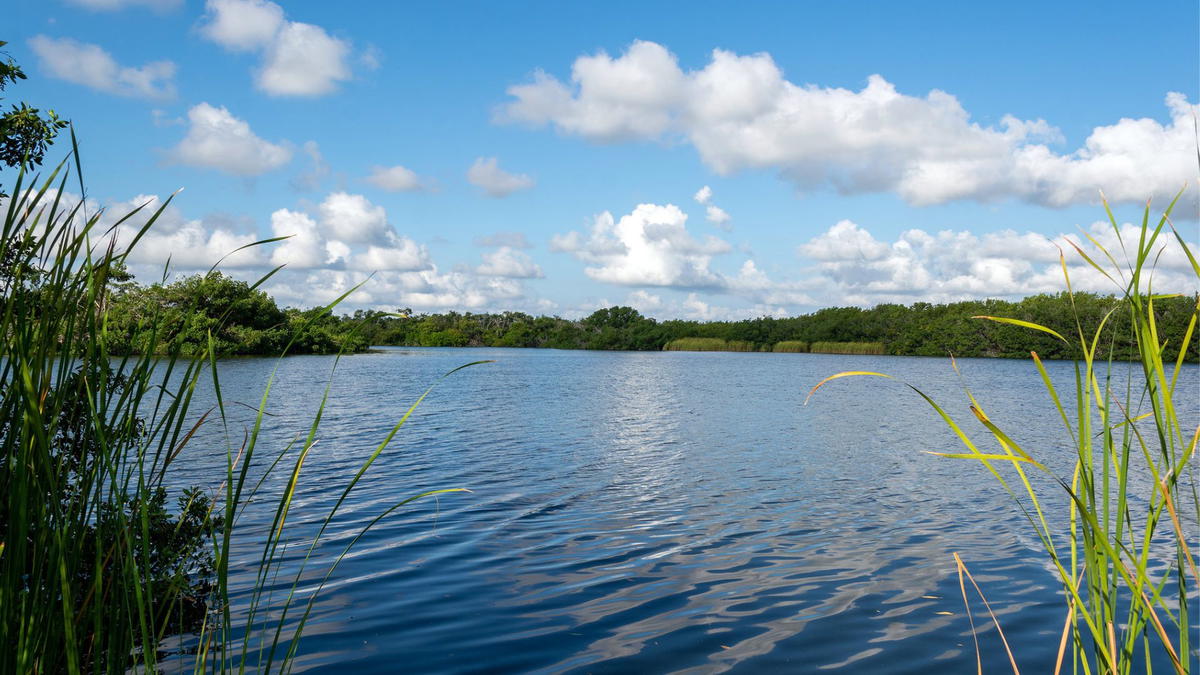
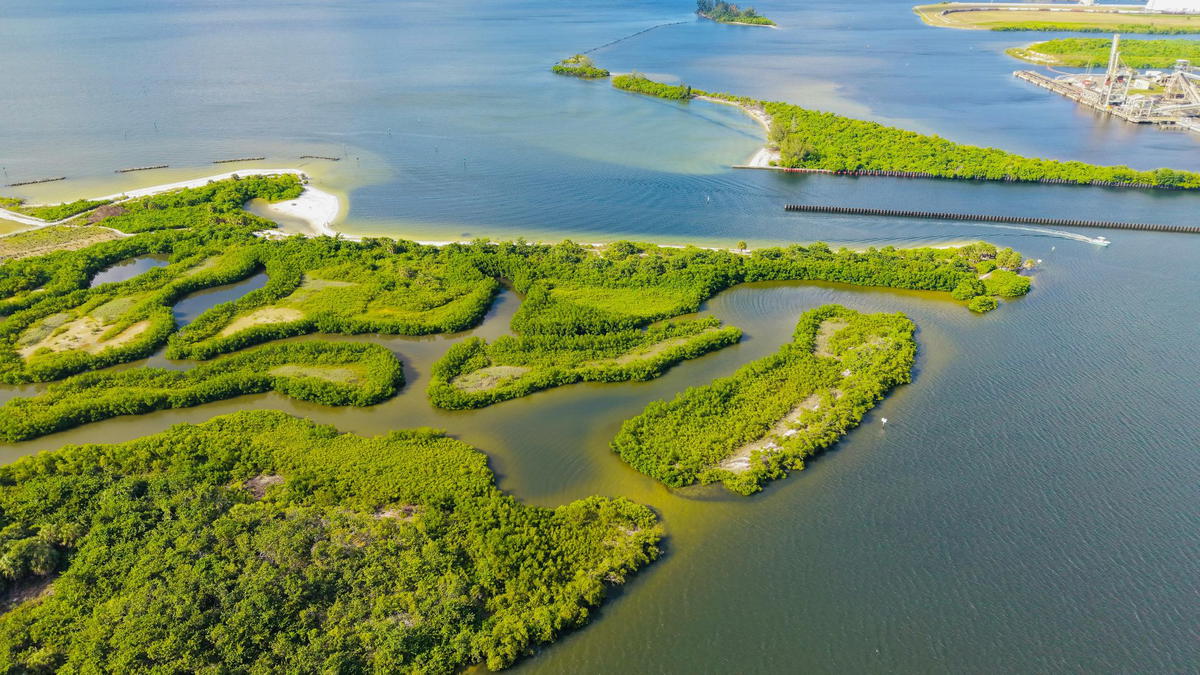
Mangroves are among the most structurally complex and ecologically productive coastal habitats on Earth. Florida supports roughly 500,000 acres of mangrove forest — the largest extent of any state in the continental U.S. — concentrated in the Ten Thousand Islands, Everglades National Park, Florida Bay, and Biscayne Bay.
Three species dominate: red mangrove (Rhizophora mangle), black mangrove (Avicennia germinans), and white mangrove (Laguncularia racemosa). Each occupies a distinct tidal zone. Red mangroves colonise the water’s edge on arching prop roots that trap sediment and stabilise shorelines. Black mangroves occupy the intertidal zone, breathing through pneumatophores — pencil-thin root projections that pierce the sediment surface. White mangroves grow higher up the shore, in zones that flood only during storm surge or king tides.
These layered zones create habitat complexity at every scale. The root labyrinth of red mangroves is a nursery for juvenile fish: snook (Centropomus undecimalis), tarpon (Megalops atlanticus), and mangrove snapper (Lutjanus griseus) shelter among the roots during vulnerable early life stages before moving into open water. Studies by FWC researchers estimate that over 220 fish species use Florida’s mangrove habitats at some point in their life cycle.
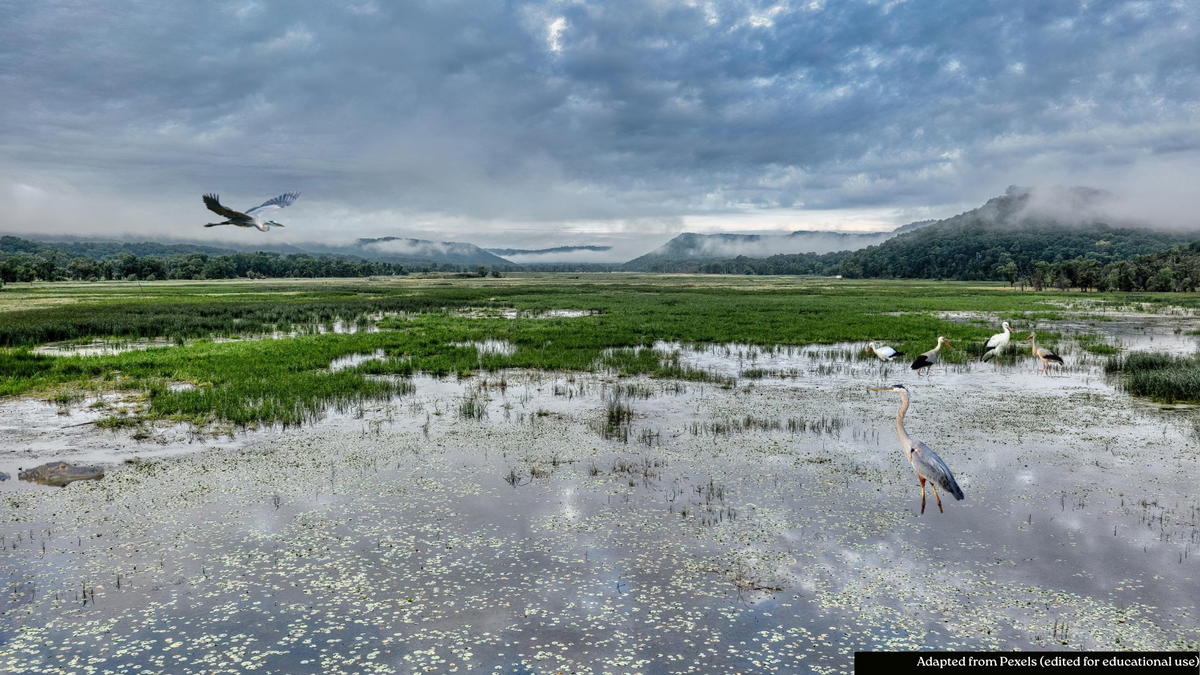
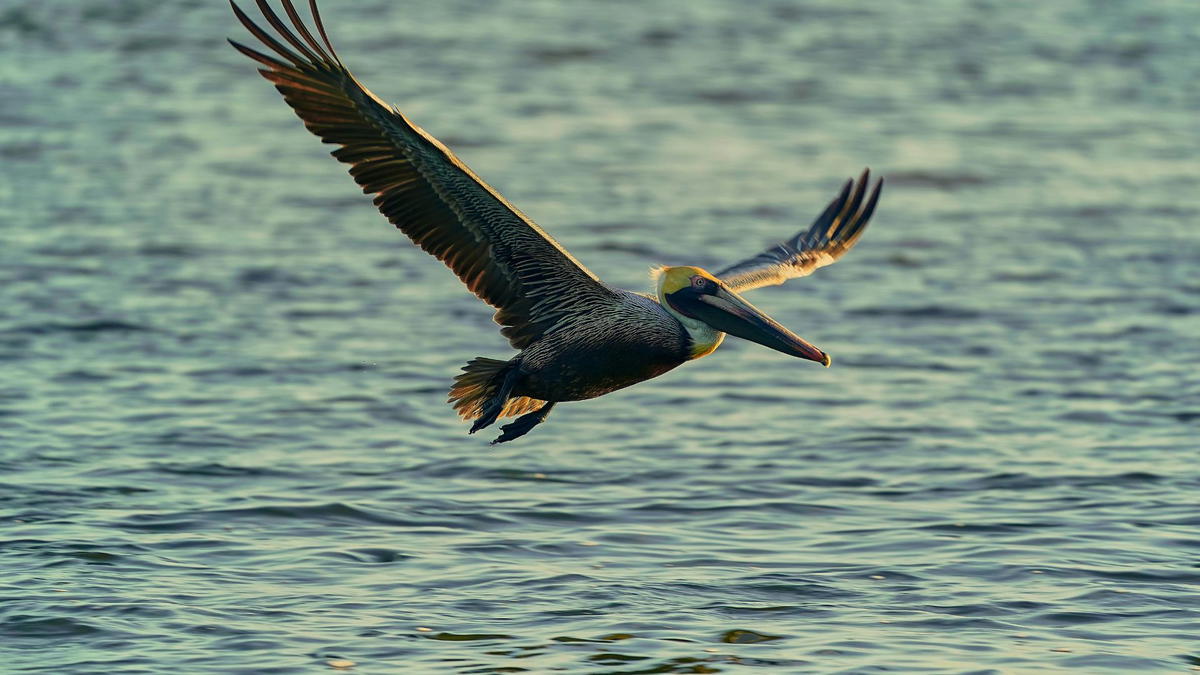
Wading birds exploit this productivity. The roseate spoonbill (Platalea ajaja), once hunted to near-extinction for its flamingo-pink plumage, now nests in mangrove islands throughout Florida Bay. Great blue herons, tricoloured herons, and little blue herons wade the prop-root shallows at low tide, striking at the concentrated fish left behind by receding water.
Carbon storage: Mangrove forests store carbon at rates 3–5 times higher than tropical rainforests, according to a landmark study in Nature Geoscience (Donato et al., 2011). The organic soils beneath Florida’s mangroves, accumulated over thousands of years, represent vast reserves of “blue carbon” that, if disturbed, would release into the atmosphere as CO₂. This makes mangrove protection one of the highest-return climate mitigation strategies available.
Threats: Sea-level rise is the primary long-term threat to Florida’s mangroves. Mangroves can migrate landward as sea levels rise, but only if human development does not block their retreat. In urban coastal areas, this “coastal squeeze” between rising water and hardened shorelines threatens to eliminate mangrove habitat within decades (Saintilan et al., 2020).
Florida Estuaries: Where Rivers Feed the Sea
An estuary forms where a river meets the ocean and freshwater and saltwater mix in a brackish gradient. Florida has over 4,500 miles of estuary shoreline — more than any state except Alaska. The state’s major estuaries include Charlotte Harbor, Tampa Bay, Indian River Lagoon, Apalachicola Bay, and the Estero Bay complex.
Salinity gradients within estuaries create a mosaic of micro-habitats that support different communities at different tidal states. Low-salinity upriver zones host freshwater and euryhaline species; the high-salinity tidal reaches near the coast support true marine species. The mixing zone — the mesohaline middle ground — is often the most productive, driven by the nutrient input of both rivers and ocean upwelling.
The Indian River Lagoon, a 156-mile-long estuary along Florida’s Atlantic coast, is considered one of the most biodiverse estuaries in North America. It supports over 4,300 species, including the West Indian manatee (Trichechus manatus), which congregates in its warm-water refuge areas each winter, and the rare bottlenose dolphin (Tursiops truncatus) community that has been studied continuously since the 1970s.
Migratory shorebirds are among the most visible beneficiaries of estuarine productivity. American oystercatchers (Haematopus palliatus), willets (Tringa semipalmata), and dunlin (Calidris alpina) probe estuarine mudflats for invertebrates during winter and migration. Mudflat productivity is driven by benthic invertebrates — mole crabs, coquina clams, fiddler crabs — that feed on organic material deposited by tidal flow.
Water quality crisis: Florida’s estuaries are among the most heavily degraded in the country. Agricultural runoff carrying nitrogen and phosphorus from the Kissimmee-Okeechobee watershed has driven chronic cyanobacteria blooms in the Indian River Lagoon, causing massive seagrass die-offs. The 2011 “superbloom” killed over 60% of the lagoon’s northern seagrass beds, triggering a cascade of manatee and dolphin strandings still reverberating today. Restoration of the estuary is the centrepiece of a multi-billion-dollar Everglades restoration effort.
Salt Marshes: The Overlooked Powerhouses of the Florida Coast
Salt marshes occupy the intertidal zone of Florida’s temperate northern and central coasts — areas too cold for mangroves to dominate, particularly above approximately 28°N latitude along the Gulf coast. They extend from the Panhandle south to the Nature Coast, and appear along the northern Atlantic coast from Nassau County northward through Fernandina Beach.
Cordgrass (Spartina alterniflora) is the dominant plant in Florida’s low-marsh zone, forming dense, monospecific stands that trap sediment, buffer storm surge, and export organic material into adjacent estuaries. The high marsh supports a more diverse plant community including saltmeadow hay (Spartina patens), sea oxeye daisy (Borrichia frutescens), and saltwort (Batis maritima).
Despite their monotonous appearance at first glance, salt marshes support surprisingly high vertebrate diversity. The secretive marsh wren (Cistothorus palustris) nests in Spartina tussocks; the threatened seaside sparrow (Ammospiza maritima) — several subspecies of which are endemic to Florida’s Atlantic coast marshes — forages along marsh creeks for invertebrates and seeds. The Dusky seaside sparrow (Ammospiza maritima nigrescens), a subspecies exclusive to Brevard County marshes, was declared extinct in 1990, a direct result of marsh impoundment for mosquito control.
Commercially important fish species including spotted seatrout (Cynoscion nebulosus), red drum (Sciaenops ocellatus), and striped mullet (Mugil cephalus) spawn or juvenile-stage in Florida salt marshes. The marsh-estuary connection is not incidental — it is the nutrient subsidy that makes Florida’s inshore fisheries among the most productive on the Gulf coast.
Seagrass Meadows: The Prairies Beneath Florida’s Shallow Seas
Florida holds the most extensive seagrass meadows in the continental United States. The Indian River Lagoon, Florida Bay, Tampa Bay, and the Big Bend coast together support approximately 2.7 million acres of seagrass — a number that has declined significantly in recent decades due to water quality degradation.
Seven seagrass species are native to Florida’s coastal waters. Turtlegrass (Thalassia testudinum) dominates in clear, high-salinity waters and forms the structural foundation of the meadow ecosystem. Shoalgrass (Halodule wrightii) colonises disturbed or low-salinity areas, often acting as a pioneer species that conditions sediments for the eventual re-establishment of turtlegrass. Manatee grass (Syringodium filiforme) — its common name reflecting its principal grazers — grows in dense, cylindrical-bladed stands in moderately deep water.
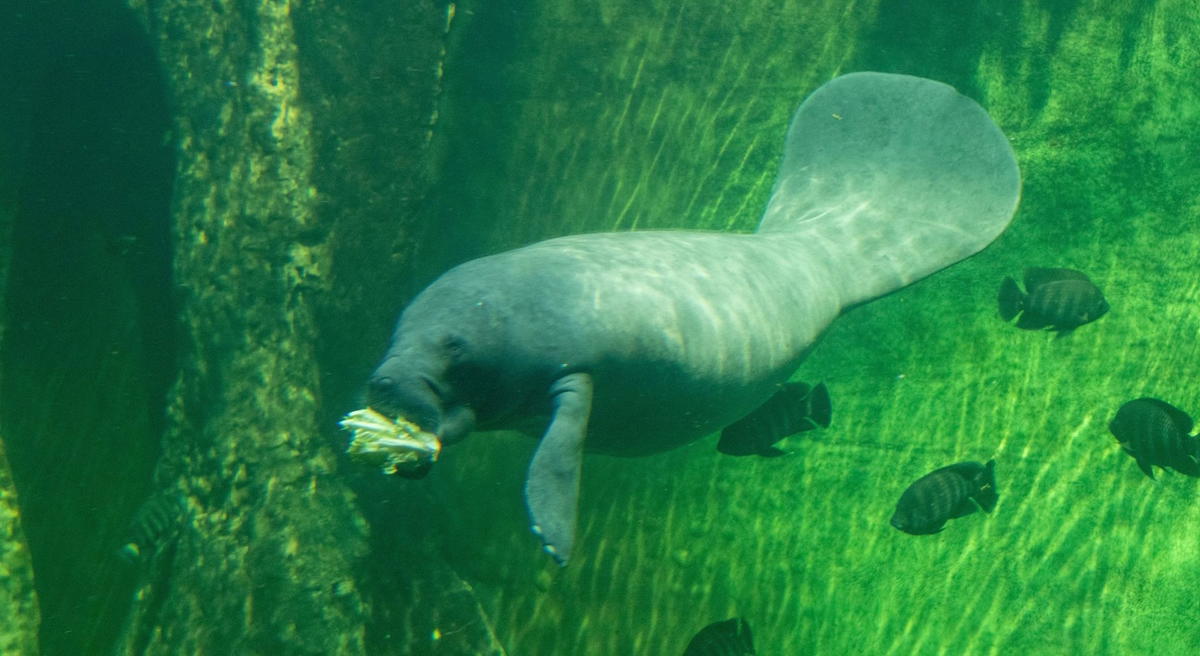
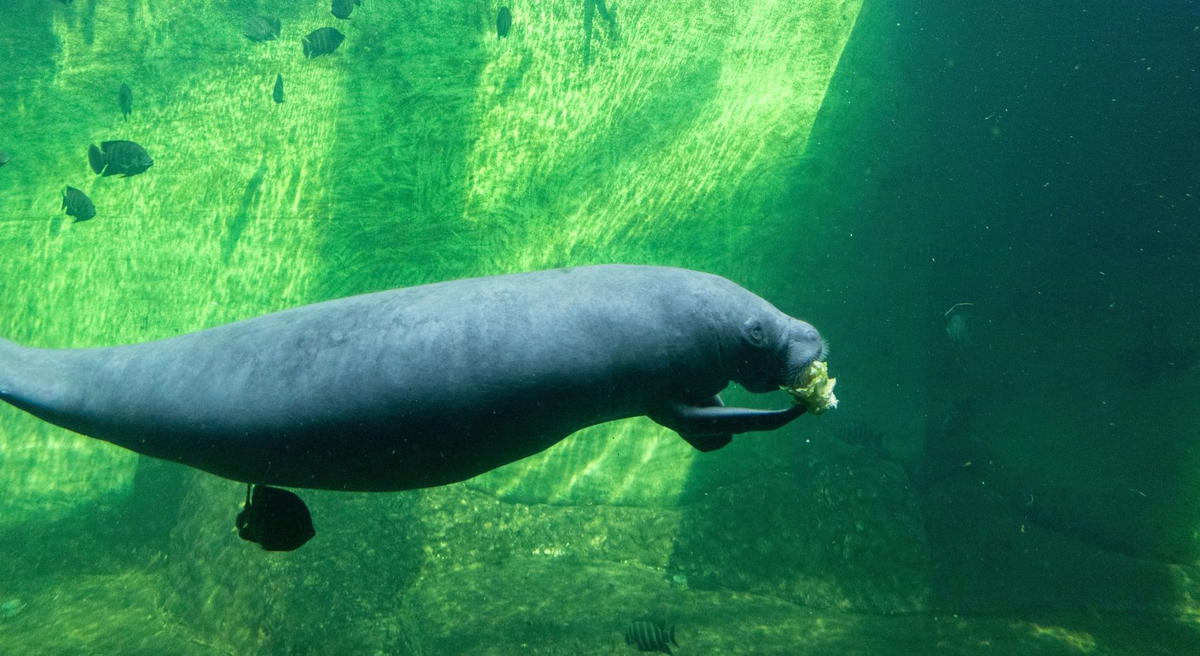
Seagrass meadows support food webs of extraordinary complexity. The green sea turtle (Chelonia mydas), listed as threatened under the U.S. Endangered Species Act, grazes seagrass in Florida Bay and along the Gulf coast, cropping blades in a manner that may actually stimulate regrowth. The West Indian manatee, Florida’s most iconic marine mammal, relies almost entirely on seagrass for nutrition, requiring an adult to consume 4–9% of its body weight daily.
Below the visible meadow canopy, seagrass sediments harbour dense communities of invertebrates: queen conch (Aliger gigas), bay scallop (Argopecten irradians), blue crab (Callinectes sapidus), and seahorses (Hippocampus spp.) all depend on seagrass architecture for foraging, reproduction, or refuge. Seagrass beds are also critical nursery habitat: the roots and rhizomes provide refuge for juvenile fish from the open-water predation that would otherwise decimate their populations.
Collapse of Florida Bay seagrass: Beginning in 2022, Florida Bay experienced its most severe seagrass die-off on record, driven by an extended brown-algae bloom fuelled by nutrient-enriched water flowing south from Lake Okeechobee. By 2023, FWC estimated that over 40,000 acres of seagrass had been lost in a single die-off event — triggering an unprecedented manatee mortality crisis in which over 1,100 animals died of starvation in 2021 alone, the highest single-year toll ever recorded (NOAA, 2022).
Florida’s Beaches and Coastal Dunes: Dynamic Frontlines of the Shoreline
Florida’s barrier island beaches are among the most visited natural habitats in the world — and among the most ecologically important. Barrier islands front the Gulf and Atlantic coasts, absorbing wave energy and storm surge that would otherwise impact the mainland directly. The dune systems immediately landward of the beach are equally important, providing nesting habitat for sea turtles and rare shorebirds.
Five sea turtle species nest on Florida’s beaches: loggerhead (Caretta caretta), green (Chelonia mydas), leatherback (Dermochelys coriacea), Kemp’s ridley (Lepidochelys kempii), and hawksbill (Eretmochelys imbricata). Florida hosts the largest loggerhead sea turtle nesting population in the western hemisphere, with Brevard, Indian River, and Martin counties collectively receiving over 100,000 loggerhead nests in peak years. Female loggerheads return to the same beach where they hatched — a site fidelity so precise that genetic analysis can identify the nesting origin of a turtle from a blood sample.
The beach zone above the high-tide wrack line — the “supratidal” zone — is nesting habitat for several threatened shorebird species. The snowy plover (Charadrius nivosus) and Wilson’s plover (Charadrius wilsonia) scrape shallow nests in open sand, where their speckled eggs are nearly invisible against the substrate. The American oystercatcher nests on elevated shell ridges along barrier island beaches. All three face significant pressure from beach recreation, off-road vehicles, and predation by domestic cats and raccoons.
Coastal dune vegetation communities are highly specialised. Sea oats (Uniola paniculata), the dominant dune stabiliser in Florida, are protected by state law because their root systems physically bind wind-blown sand into stable dunes. Without sea oats, dunes erode and the protection they offer to inland habitats disappears. The dune community also includes beach morning glory (Ipomoea imperati), railroad vine (Ipomoea pes-caprae), and saw palmetto (Serenoa repens) farther inland — a gradient from pioneer colonisers to more structurally complex scrub communities.
The Florida Reef Tract: North America’s Last Living Barrier Reef
Stretching 360 miles from Martin County through the Florida Keys to the Dry Tortugas, the Florida Reef Tract is the only living barrier coral reef system in the continental United States and the third-largest barrier reef in the world. It is also one of the most severely degraded coral reef systems on Earth.
At peak historical extent, Florida’s reefs were dominated by branching elkhorn coral (Acropora palmata) and staghorn coral (Acropora cervicornis) — fast-growing, structurally complex species that built the three-dimensional framework on which hundreds of other species depended. By 2014, populations of both species had declined by over 97% since the 1970s, driven by a combination of white-band disease, rising ocean temperatures, ocean acidification, and water quality degradation (NOAA Coral Reef Conservation Program, 2020).
Despite this collapse, the reef tract retains extraordinary biodiversity. Over 6,000 species — including 500 species of fish, 50 coral species, and hundreds of invertebrate species — still inhabit the Keys marine environment. Nassau grouper (Epinephelus striatus), listed as endangered on the IUCN Red List, still forms spawning aggregations at traditional deep-reef sites. Hawksbill sea turtles feed on sponges in the shallow reef zone. Great barracuda (Sphyraena barracuda) patrol the reef crest.
The Florida Keys National Marine Sanctuary, established in 1990, encompasses the entire reef system and adjacent seagrass and mangrove habitats. NOAA’s Mission: Iconic Reefs programme is actively intervening to restore elkhorn and staghorn coral populations through coral gardening — growing fragments in underwater nurseries and transplanting them to the reef. As of 2024, over 150,000 coral fragments have been transplanted across the Keys, representing the largest coral restoration effort in the world.
2023 bleaching event: In July 2023, sea surface temperatures in the Florida Keys reached the highest ever recorded — 38.0°C (100.4°F) at Manatee Bay — causing a catastrophic mass bleaching event that affected 100% of monitored reef stations. Widespread coral mortality followed. Scientists described it as an inflection point: evidence that without aggressive emissions reductions globally, Florida’s reef system faces functional extinction within decades.
Florida’s Coastal Food Web: How Energy Flows Through the System
Florida’s coastal ecosystems do not function in isolation — they are deeply interconnected through shared food webs, nutrient cycling, and the movement of organisms between habitat types. Understanding these connections is essential to understanding why the loss of any one ecosystem type cascades through the others.
Primary productivity — the foundation of the food web — is generated by seagrass, mangrove leaf litter, salt marsh cordgrass, phytoplankton, and coral reef algae. Each produces organic matter that either enters the food web directly (through herbivory) or indirectly through decomposition by bacteria and fungi in the sediment.
Detritus from mangrove leaf fall is the primary energy subsidy that fuels estuarine food webs in South Florida. Mangrove leaves decompose in the water column and on the estuary floor, supporting dense communities of harpacticoid copepods, amphipods, and juvenile shrimp — the prey that sustains small fish, which in turn sustain larger predators.
Top predators — bull shark (Carcharhinus leucas), American alligator (Alligator mississippiensis), American crocodile (Crocodylus acutus), and bottlenose dolphin — move freely between ecosystems. An alligator may bask in a freshwater marsh, hunt the mangrove edge at high tide, and be seen in tidal creek water of near-full marine salinity. These wide-ranging predators connect ecosystem nutrient cycles across habitat boundaries.
The removal of apex predators has measurable cascade effects. The decline of large sharks in Florida’s coastal waters over the 20th century coincided with population explosions of cownose rays (Rhinoptera bonasus), which in turn stripped bay scallop beds of the mid-Atlantic coast — a textbook example of a trophic cascade triggered by apex predator depletion.
Conservation Status of Florida’s Coastal Habitats
Florida’s coastal ecosystems are among the most threatened in North America. Since European settlement, the state has lost approximately 50% of its original wetland extent; mangrove losses in some regions approach 40% of pre-development cover. The primary threats are well-documented:
• Sea-level rise and coastal squeeze: as sea levels rise and hardened shorelines prevent landward migration, mangroves, salt marshes, and beach nesting habitats face progressive compression.
• Nutrient pollution: agricultural and urban runoff delivering excess nitrogen and phosphorus drives algal blooms that block light to seagrass and suffocate coral reefs.
• Freshwater diversion: the historic drainage of the Everglades reduced freshwater flow to Florida Bay, increasing salinity and driving seagrass die-offs that still reverberate today.
• Ocean warming and acidification: rising sea surface temperatures drive coral bleaching; increasing CO₂ absorption lowers ocean pH, weakening the calcification of corals and shellfish.
• Coastal development: light pollution disrupts sea turtle nesting and disorientation of hatchlings; boat traffic injures manatees; beach recreation disturbs nesting shorebirds.
Federal and state protections cover significant portions of Florida’s coastal ecosystems. Everglades National Park (1.5 million acres), the Florida Keys National Marine Sanctuary, the Merritt Island National Wildlife Refuge, and the state’s system of Aquatic Preserves collectively protect a substantial fraction of the coastline. The Florida Coastal Management Program, administered under NOAA’s guidance, coordinates land use planning to reduce coastal ecosystem impacts.
The most significant active restoration effort is the Comprehensive Everglades Restoration Plan (CERP), a $10.5 billion, multi-decade federal-state programme to restore more natural freshwater flows through the Everglades system to Florida Bay. Restoration of these flows is expected to reduce salinity and nutrient stress in the bay, supporting seagrass recovery and the manatee and sea turtle populations that depend on it.
Florida Coastal Wildlife Watching: Where and When to Go
Florida’s coastal ecosystems offer some of the most accessible wildlife watching in North America. Many of the state’s iconic species can be observed without specialist equipment or a boat, simply by visiting the right habitat at the right time.
Best Sites for Mangrove Wildlife
J.N. “Ding” Darling National Wildlife Refuge on Sanibel Island offers a 4-mile Wildlife Drive through prime mangrove habitat; roseate spoonbills, reddish egrets, and osprey are reliably observed year-round. Rookery Bay National Estuarine Research Reserve near Naples provides kayak access into mangrove creek networks. The mangrove tunnels of the Everglades Wilderness Waterway are world-class for proximity to wildlife but require multi-day paddling commitment.
Best Sites for Seagrass and Marine Mammal Observation
Crystal River National Wildlife Refuge, centred on Kings Bay in Citrus County, is the only place in the U.S. where swimming with wild West Indian manatees is legally permitted during regulated tour conditions. The seagrass beds of Florida Bay are best accessed from the Flamingo Visitor Center in Everglades National Park by kayak or canoe; green sea turtles and bottlenose dolphins are regularly observed from kayak.
Sea Turtle Nesting Observation
Brevard County’s Archie Carr National Wildlife Refuge is the most important loggerhead sea turtle nesting beach in the western hemisphere. Guided night walks from June through August allow direct observation of nesting females under strict low-light conditions. Canaveral National Seashore also offers ranger-led sea turtle walks during peak nesting season.
Shorebirds and Wading Birds
Fort De Soto Park in Pinellas County is one of the premier shorebird sites in the eastern U.S., particularly during spring migration in April and May. Merritt Island National Wildlife Refuge hosts year-round populations of reddish egret, snowy plover, and American oystercatcher, as well as wintering populations of dunlin, western sandpiper, and red knot.
Recent Research in Florida Coastal Ecosystems (2020–2025)
Scientific understanding of Florida’s coastal ecosystems has advanced rapidly in recent years. Key findings include:
• Manatee-seagrass coupling: A 2023 study in Marine Mammal Science demonstrated that manatee grazing behaviour shifted significantly in response to the 2021–2022 seagrass collapse, with animals travelling unprecedented distances in search of food — some appearing in Georgia and South Carolina, well outside their normal winter range.
• Mangrove poleward expansion: Research published in Global Change Biology (Cavanaugh et al., 2023) confirmed accelerating poleward expansion of black mangrove into previously freeze-dominated salt marsh zones along Florida’s northern Gulf coast, driven by the increasing rarity of hard freeze events. This expansion is reshaping ecosystem structure and carbon dynamics across the Big Bend region.
• Coral restoration efficacy: A landmark multi-year study by the Coral Restoration Foundation (2024) documented that thermally-tolerant elkhorn coral genotypes transplanted across the Florida Reef Tract survived the 2023 bleaching event at significantly higher rates than wild counterparts, providing evidence that selective breeding for thermal tolerance can meaningfully improve reef resilience.
• Sea-level rise and mangrove survival: Research by FIU’s Sea Level Solutions Center found that mangrove forests in areas with unconsolidated peat soils are accumulating organic matter at rates that may allow them to keep pace with projected sea-level rise under moderate emissions scenarios — but not under high-emission trajectories.
Conclusion: The Future of Florida’s Coastal Ecosystems
Florida’s coastal ecosystems represent both a triumph of ecological complexity and a warning about the consequences of environmental neglect. The same processes that built these habitats over millennia — the slow accumulation of mangrove peat, the growth of coral framework, the spread of seagrass across warm, clear shallows — are now being overwhelmed by the speed of human-driven change.
What remains, however, is worth protecting with every available tool. The manatees still drift through seagrass meadows, though fewer of those meadows remain. Loggerhead turtles still haul out onto Brevard County beaches, though rising temperatures are shifting the sex ratio of hatchlings toward female-heavy populations that may eventually impair reproduction. Roseate spoonbills still glow against mangrove foliage in the evening light of Florida Bay.
Conservation is succeeding in measured ways. Manatee populations rebounded from fewer than 1,300 individuals in 1991 to over 8,800 by 2020 before the recent seagrass crisis. Bald eagle populations, once devastated by DDT, have fully recovered across Florida’s coasts. The American crocodile, reduced to fewer than 300 individuals in the 1970s, now numbers over 2,000 in South Florida.
These recoveries are not accidents. They are the result of deliberate, sustained, science-based conservation effort. Understanding these ecosystems — their species, their functions, their vulnerabilities, and their connections — is the prerequisite for protecting them.
References & Sources
• Costanza, R., et al. (2014). Changes in the global value of ecosystem services. Global Environmental Change, 26, 152–158.
• Donato, D.C., et al. (2011). Mangroves among the most carbon-rich forests in the tropics. Nature Geoscience, 4, 293–297.
• Florida Fish and Wildlife Conservation Commission (FWC). (2024). Annual Manatee Mortality Report. Tallahassee, FL.
• NOAA Coral Reef Conservation Program. (2020). Florida Reef Resilience Program Annual Report.
• NOAA National Marine Fisheries Service. (2022). Unusual Mortality Event: Indian River Lagoon. Silver Spring, MD.
• Saintilan, N., et al. (2020). Thresholds of mangrove survival under rapid sea level rise. Science, 368, 1118–1121.
• U.S. Geological Survey (USGS). National Wetlands Inventory. Washington, D.C.
• Cavanaugh, K.C., et al. (2023). Poleward expansion of mangroves. Global Change Biology.
• Coral Restoration Foundation. (2024). Mission: Iconic Reefs — Restoration Progress Report.