Introduction
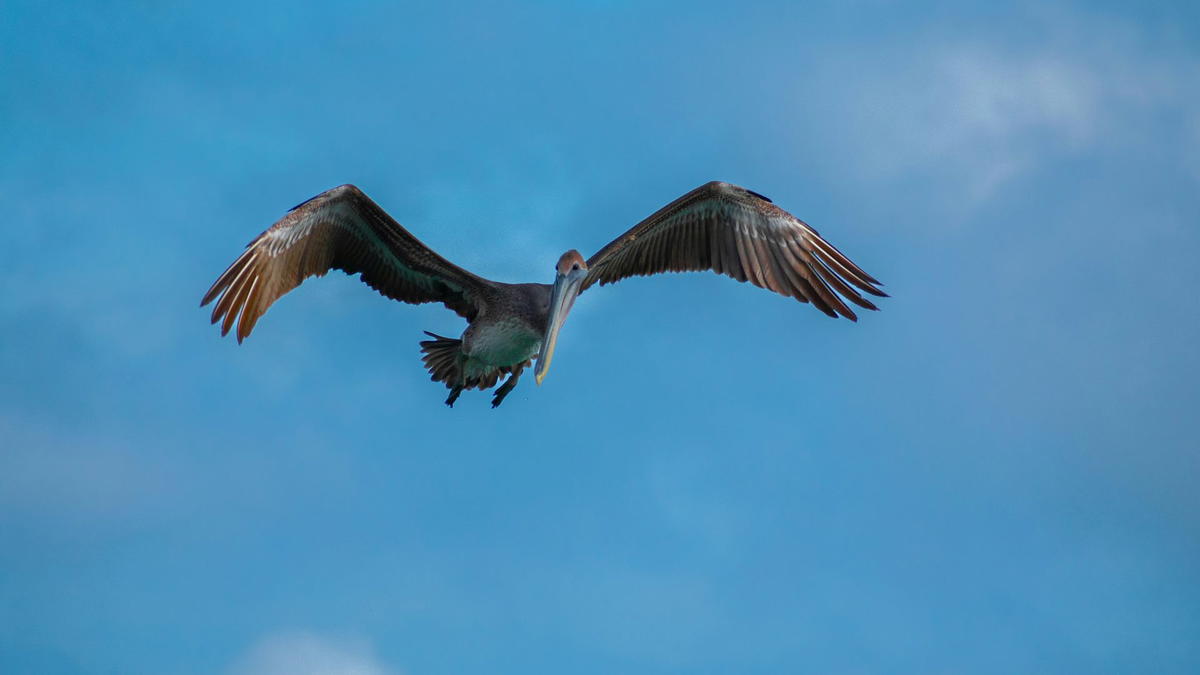
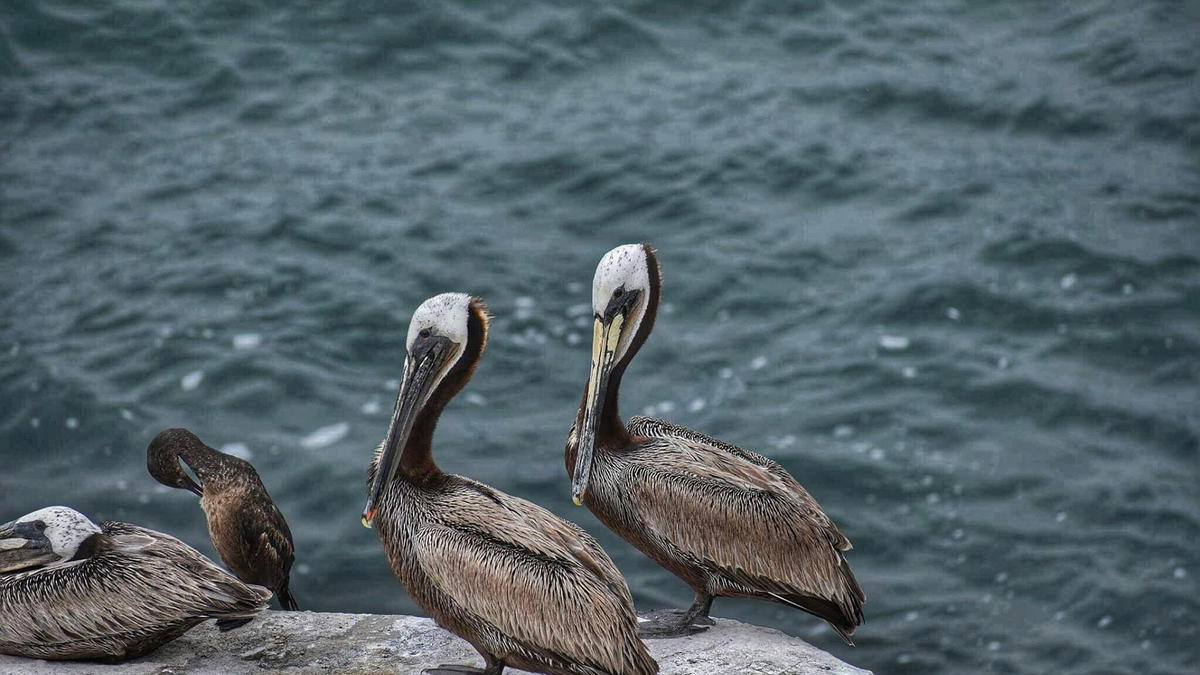
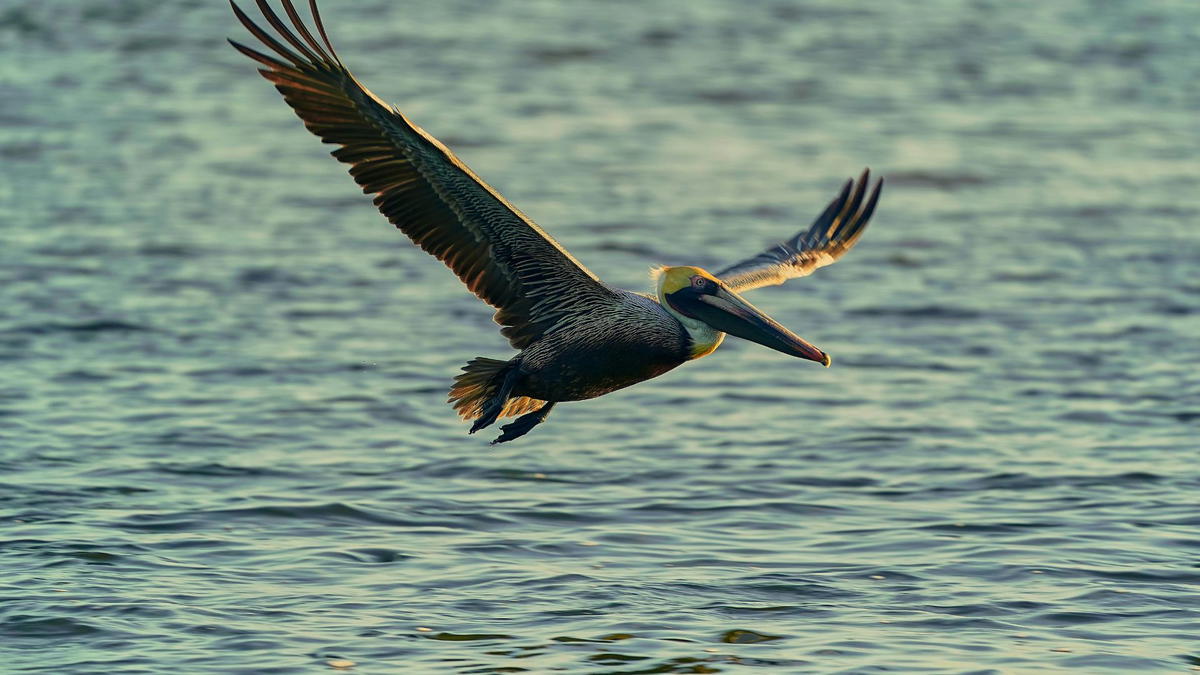
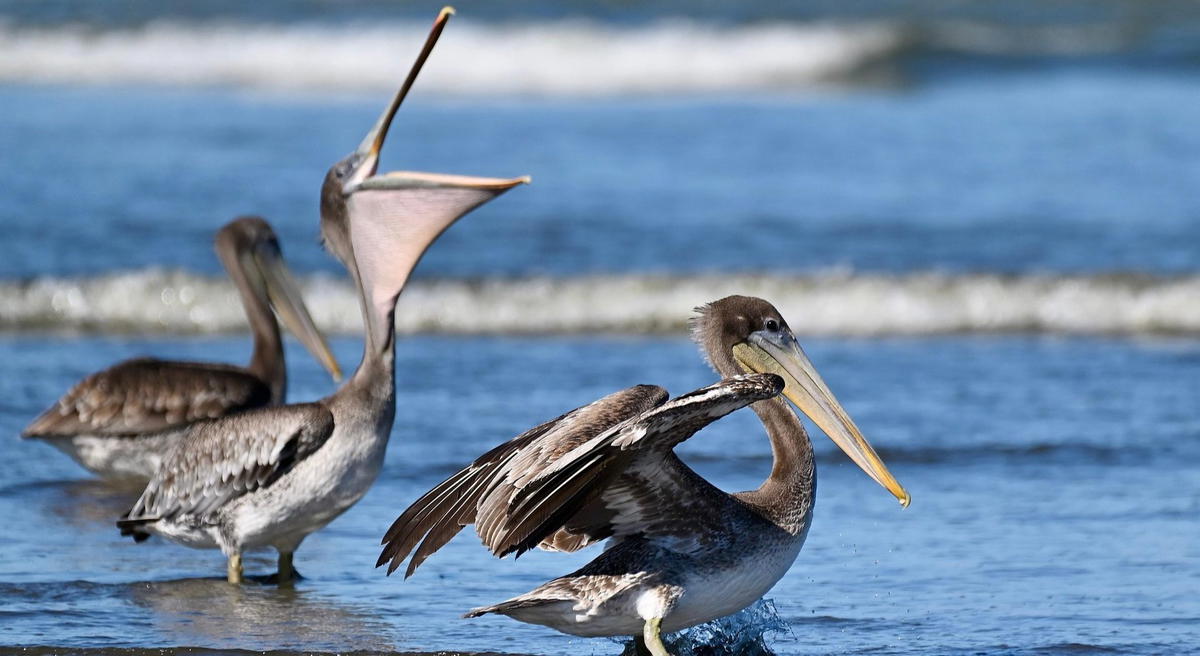
The Brown Pelican (Pelecanus occidentalis) is a colonial seabird that relies on carefully selected coastal environments to reproduce successfully. Instead of nesting individually across wide areas, Brown Pelicans establish dense breeding colonies in locations that provide protection from predators, stable nesting substrates, and reliable access to nearby feeding waters. The selection of nesting sites therefore plays a critical role in reproductive success, influencing egg survival, chick growth, and long-term colony persistence.
Wildlife monitoring programs conducted by the U.S. Fish and Wildlife Service (USFWS), NOAA Fisheries, and seabird researchers summarized in the Cornell Lab of Ornithology’s Birds of the World database show that pelican colonies are highly selective in their location. Suitable nesting areas must combine several environmental features, including geographic isolation from terrestrial predators, vegetation or ground structure capable of supporting nests, and proximity to productive marine feeding areas. Because islands meeting all these conditions are relatively limited along many coastlines, Brown Pelicans frequently return to the same sites for decades. Understanding how colonies select nesting locations helps researchers identify essential seabird breeding habitats and evaluate the stability of coastal ecosystems.
1. Isolation from Terrestrial Predators Drives Site Selection
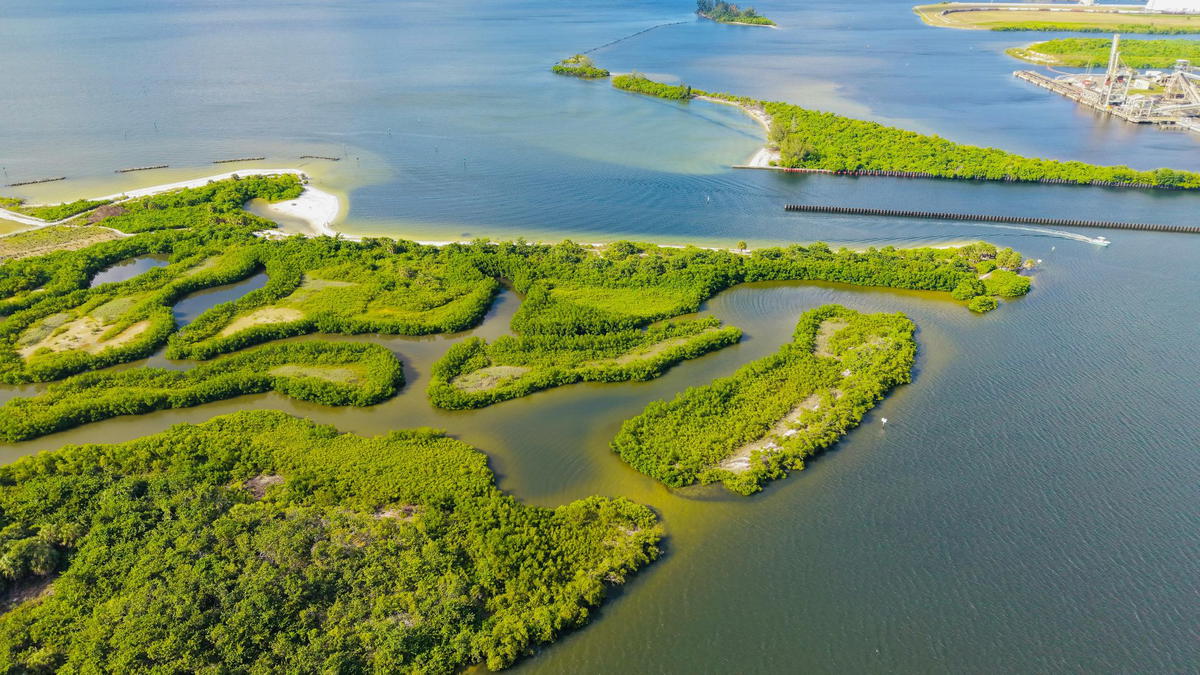
Geographic isolation from land-based predators is one of the primary factors determining where Brown Pelican colonies form. Most colonies occur on small offshore islands, barrier islands, or rocky outcrops separated from mainland shorelines by open water. Surveys of breeding sites along the Gulf of Mexico and Pacific coast indicate that many nesting islands are located 7 km or more from the mainland and at least 0.3 km from other landmasses. These distances significantly reduce the likelihood that terrestrial predators such as raccoons (Procyon lotor), coyotes, or feral cats can access the colony.
This isolation is particularly important because pelican nests provide limited physical protection. Nests are typically shallow platforms constructed from sticks, grasses, and nearby vegetation, placed on the ground or in low shrubs. Without geographic separation, a single predator could destroy numerous nests during one night. By selecting islands surrounded by water, pelicans effectively create a natural barrier that protects eggs during the roughly 28–30 day incubation period and reduces chick mortality throughout the early nesting stage.
2. Suitable Vegetation Provides Structural Nesting Support
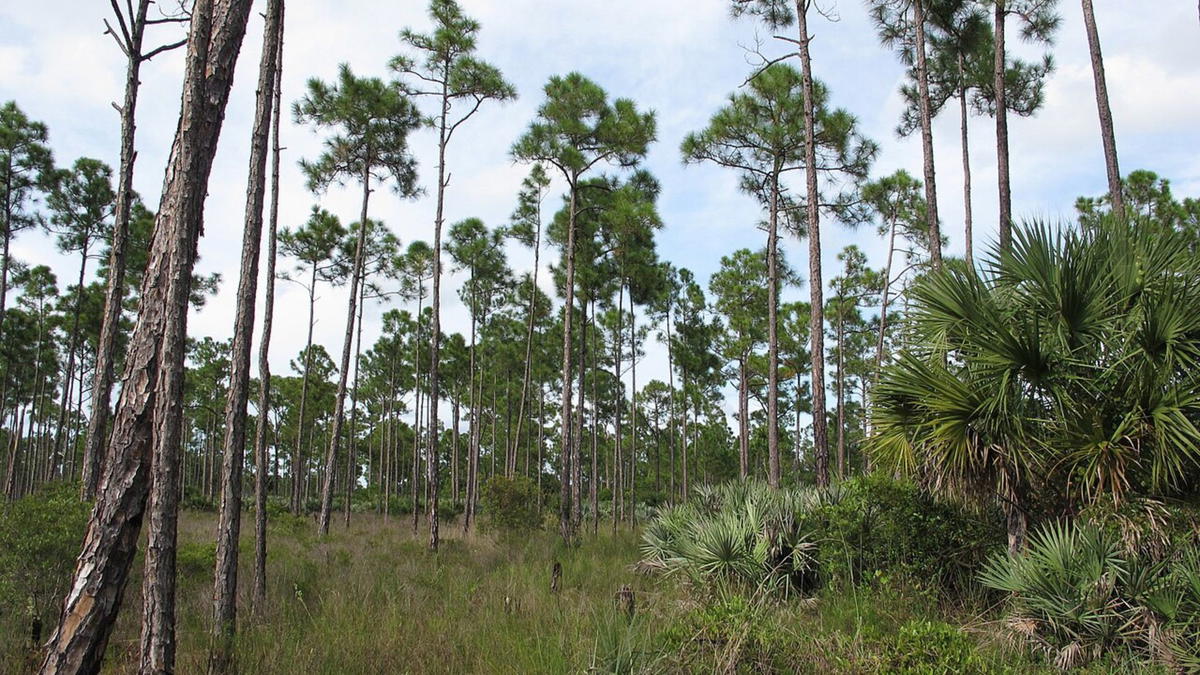
Vegetation structure strongly influences where Brown Pelicans establish colonies. In tropical and subtropical regions such as Florida, the Caribbean, and parts of Central America, pelicans frequently nest in mangrove trees, particularly black mangrove (Avicennia germinans) and red mangrove (Rhizophora mangle). In other coastal regions—including parts of the Gulf Coast and Pacific islands—pelicans nest directly on the ground within dune vegetation or low coastal shrubs.
Habitat assessments of active colonies show that successful nesting sites often contain 2–20 hectares of shrub or dune vegetation, providing adequate structural support for large breeding aggregations. Vegetation performs several ecological functions: it stabilizes nests against wind, provides shade that reduces thermal stress on eggs and chicks, and creates physical spacing that limits aggressive interactions between neighboring pairs. Mangrove branches are especially advantageous because they elevate nests approximately 1–3 meters above the substrate or tidal water, helping protect eggs and chicks from periodic flooding while still allowing dense colonial nesting.
3. Colony Sites Must Provide Adequate Topography and Elevation
Topographic features also influence whether a location can support a Brown Pelican colony. Pelicans use a range of coastal landforms, including sandy islands, dune ridges, mangrove stands, and occasionally rocky cliff ledges, depending on regional geography. Regardless of terrain, suitable nesting areas must remain above typical tidal flooding levels.
Ground nests are commonly positioned at elevations of about 30 centimeters or more above mean sea level, which helps prevent nests from being inundated during high tides, seasonal flooding, or storm surges. Slightly elevated dunes, natural ridges, or rocky ledges therefore provide more stable nesting platforms than low-lying flats. In cliff-nesting areas, pelicans often place nests on sheltered ledges that face the ocean, allowing adults to launch directly into flight toward nearby feeding waters while maintaining protection from wave exposure.
4. Proximity to Productive Feeding Waters Is Essential
Because Brown Pelicans capture prey by plunge-diving for small schooling fish, breeding colonies must be located close to reliable marine feeding grounds. Observational studies of breeding birds show that most adults forage within 20–30 kilometers of the nesting colony, although longer trips may occur if prey becomes scarce.
Suitable colony sites are therefore usually surrounded by coastal waters rich in forage fish such as anchovies, sardines, and menhaden. Habitat analyses of established colonies indicate that successful breeding areas often contain approximately 70% open water within a 20-kilometer radius, enabling adults to locate schooling fish efficiently. Shorter foraging distances allow parents to deliver food to chicks more frequently and reduce the energetic cost of repeated feeding flights. As a result, colony locations often correspond closely with coastal zones where oceanographic conditions concentrate prey fish.
5. Island Size and Physical Space Influence Colony Development
The overall size of an island also determines whether it can support a Brown Pelican breeding colony. Suitable nesting islands commonly range from about 10 to 70 hectares, providing enough space for nesting, resting, and chick movement. Within these areas, pelicans establish dense nesting groups while maintaining small territorial boundaries around individual nests.
Large colonies may contain hundreds to several thousand breeding pairs, making adequate physical space essential to prevent excessive crowding and disturbance. Islands that include broad beaches—often 25–30 meters wide or more—are especially valuable because they provide loafing areas where adults can rest between foraging trips. These open spaces also allow young pelicans to move away from nests while practicing wing movements prior to fledging, reducing the risk of trampling or collisions within densely vegetated nesting zones.
6. Male Pelicans Select and Defend Individual Nest Sites
Within a selected colony location, the choice of individual nest sites is primarily made by male Brown Pelicans. At the start of the breeding season, males arrive first and establish small territories within suitable nesting habitat. These territories generally measure one to several square meters, and males actively defend them against neighboring birds through posturing and short confrontations.
After claiming a site, the male advertises the location using visual displays such as head movements, bill pointing, and posture changes to attract a female. Once a pair forms, both birds participate in building the nest using sticks, grasses, and other available plant material. This behavioral process distributes nests throughout the colony and reduces direct territorial conflict. Male site selection therefore helps determine the spatial arrangement and density of nests within the breeding colony.
7. Strong Site Fidelity Maintains Long-Term Colonies
Brown Pelicans exhibit strong site fidelity, meaning breeding birds frequently return to the same colony locations in successive years. Long-term seabird monitoring conducted by the U.S. Fish and Wildlife Service has documented pelican colonies persisting on the same islands for decades when habitat conditions remain stable.
This repeated use occurs because islands meeting all nesting requirements—predator isolation, adequate elevation, suitable vegetation, and proximity to feeding waters—are relatively rare. Returning to previously successful sites also allows birds to use social cues such as the presence of other nesting pelicans, which can indicate a reliable breeding location. As a result, once a colony becomes established, it often supports multiple generations of breeding birds unless environmental changes or disturbances force relocation.
Key Takeaways
• Brown Pelican colonies typically form on isolated offshore islands, reducing access for terrestrial predators.
• Successful nesting habitats usually contain 2–20 hectares of shrub or dune vegetation that stabilize nests and moderate temperature.
• Ground nests are generally placed around 30 cm or more above mean sea level, minimizing flood risk.
• Colonies are located near productive feeding waters, typically within 20–30 km of major foraging areas.
• Islands supporting colonies commonly range from 10–70 hectares, allowing space for large breeding aggregations.
• Male pelicans establish and defend nest territories, while strong site fidelity leads colonies to reuse proven nesting sites for many years.