From Gravity-Defying Dives to a Phoenix-Like Recovery: The Coastal Aviator That’s Engineer, Survivor, and Ecosystem Sentinel
Introduction
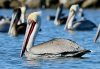
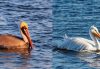
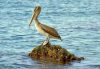
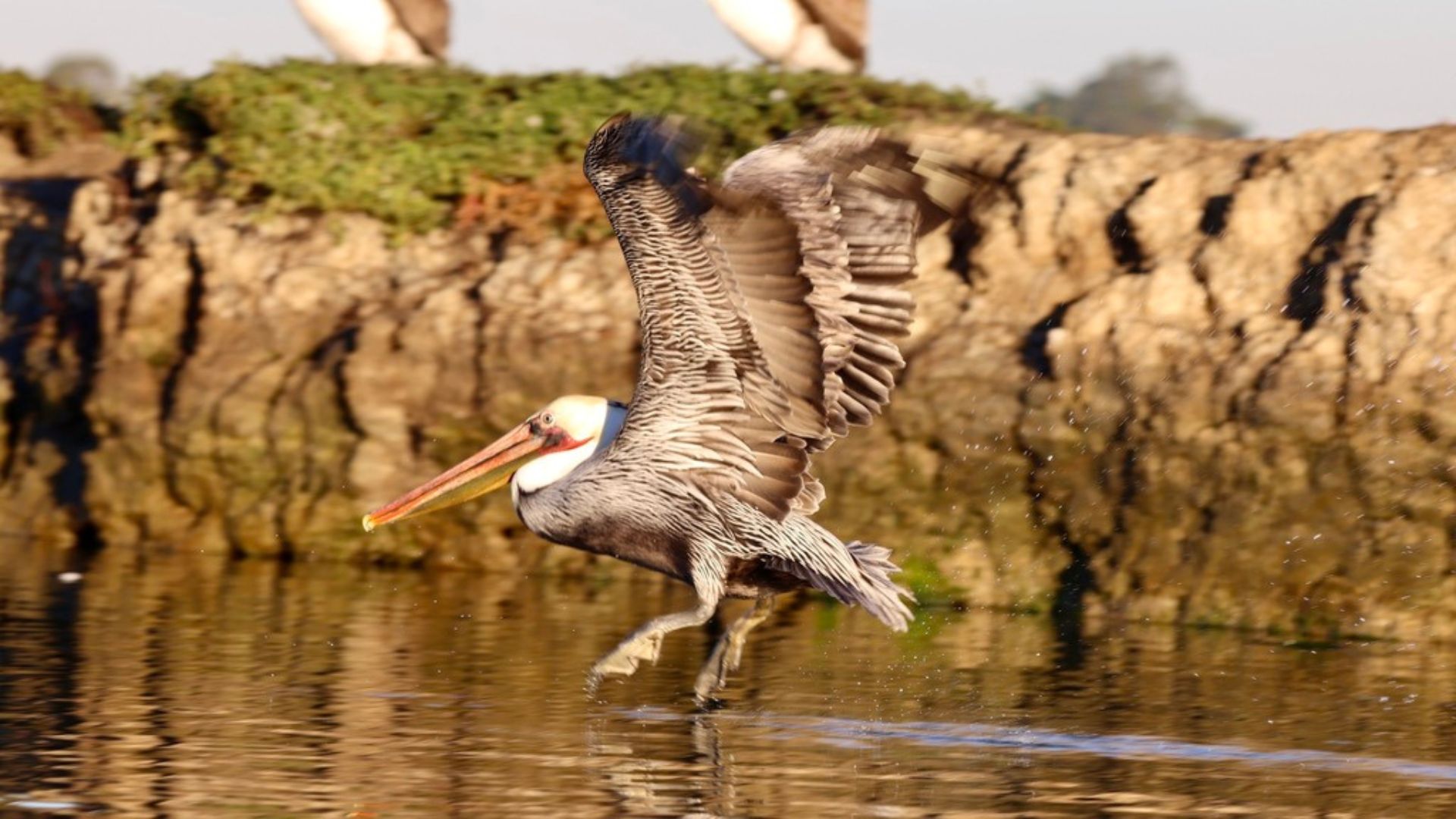
The Brown Pelican (Pelecanus occidentalis) is a seabird masterpiece: awkward on land yet aerial poetry in flight, with a bill that defies physics and a spirit that conquered extinction-level threats. Plunging from the skies to spear fish, nesting in raucous island metropolises, and rebounding from pesticide peril, this icon patrols America’s shores from the Atlantic to the Pacific. With global populations exceeding 650,000 and rated as Least Concern by the IUCN, it reminds us that wildlife can thrive when we intervene wisely—but ongoing perils like oil spills, overfishing, and climate shifts demand vigilance. Dive into these ten feats that make the Brown Pelican an enduring marvel of resilience and adaptation.
1. Daredevil of the Skies: The Plunge Dive
The Brown Pelican is the only pelican that hunts by plunge-diving, spotting schools of fish from up to 65 feet (20 m) high before folding its wings and rocketing headfirst into the ocean at near-vertical angles. It twists left mid-dive to shield its trachea (on the right side) and stuns prey on impact—a high-stakes maneuver no other pelican dares, perfected for pinpoint precision in murky waters, hitting speeds up to 40 mph.
2. Submarine-Grade Shock Absorbers
Crashing into water at high speed would shatter most birds, but air sacs under the Brown Pelican’s skin inflate like airbags on impact, cushioning its breast, neck, and organs. These sacs also buoy it back to the surface instantly, while the gular pouch acts as a secondary buffer—evolution’s answer to extreme sports, allowing dives from as high as 100 feet in rare cases.
3. The Expansive Fishing Net (No Storage Myth)
That legendary pouch? It’s a scoop, not a pantry. Expanding to hold up to 3 gallons (11 L) of water and fish—three times the stomach’s capacity—it traps prey like a ballooning net. The pelican drains water sideways in seconds, swallowing immediately while fending off thieving gulls—debunking the old tale of fish-stashing.
4. Built-In AC: Gular Fluttering
No sweat glands? No problem. In scorching heat, the pelican rapidly flutters its pouch skin, evaporating moisture over blood-rich vessels like a living radiator. This “gular fluttering” cools the bird efficiently, allowing it to thrive in tropical suns where others overheat.
5. Bone-Crushing Digestive Powerhouse
Toothless and swallowing fish whole (bones, scales, and all), the Brown Pelican’s two-chamber stomach is a marvel: acidic proventriculus softens tough parts, while the muscular gizzard grinds with swallowed pebbles—like a built-in blender. Sharp edges can puncture the pouch, but most meals digest flawlessly, fueling up to 4 pounds of fish daily.
6. Egalitarian Parenting Pros
Monogamous for a season, pairs split duties 50/50: males gather sticks, females build; both incubate eggs under vascular webbed feet for 28–30 days, warming them like natural hot-water bottles. They regurgitate predigested fish for chicks—but risk abounds: startled parents can accidentally crush fragile eggs while fleeing.
7. Opportunistic Gourmet with a Signature Dish
Primarily piscivorous, favoring nutrient-packed anchovies (vital for breeding success), they’ll improvise: prawns, crustaceans, amphibians, or even nestling birds and small reptiles when desperate. Documented feats include failed Osprey swallows and successful pigeon gulps—proving hunger makes bold diners, with menhaden comprising up to 90% of some diets.
8. Rookery Revelry: Social Supercolonies
Highly gregarious, thousands cram remote islands into noisy rookeries, safe from predators like raccoons or sharks. Males defend spots for weeks; drama ensues with mate selection and territorial squabbles, but cooperation reigns—a feathered megacity fostering survival through numbers.
9. Timeless Blueprint from the Eocene
Fossils date pelicans to 30 million years ago, with the Brown Pelican’s bill-and-pouch design virtually unchanged. This “living fossil” outlasted dinosaurs’ extinction cousins, its form so efficient that evolution hit “perfect” eons before humans.
10. Epic Comeback Amid Modern Perils
DDT thinned eggshells, crashing populations and earning endangered status in 1970; no breeding in Louisiana by 1966. Banned in 1972, it spurred recovery—delisted in 2009 with stable numbers. Yet threats persist: the 2010 BP spill killed ~10% of U.S. pelicans; overfishing, warming oceans (projected 30–50% anchovy drop in 75 years), harmful algal blooms, and climate-driven habitat loss test this icon anew. Restoration proves nature rebounds—with our help