Updated: April 2026 | Verified with NOAA, FWC, USFWS & IUCN Data
Florida’s wild heart beats beneath the swamps of the Everglades, along coral reefs, and deep inside limestone caves.
It’s home to over 130 federally listed species—more than any other state east of the Mississippi.
This guide reveals ten you can still witness in nature, if you know when and where to look.
1. North Atlantic Right Whale (Eubalaena glacialis) — The Urban Whale
| Status | Population (2025) | Habitat | Best Viewing |
|---|---|---|---|
| Critically Endangered (IUCN) | ≈ 336 individuals (NOAA) | Atlantic coastal waters, Florida → Georgia | Sebastian Inlet SP · Jacksonville coast (Nov–Mar) |
Why It Matters: One of the rarest large whales on Earth—only ~70 breeding females remain.
Major Threats
- Vessel strikes – largest cause of mortality
- Entanglement in fishing gear
- Shifting plankton distribution due to warming waters
Conservation Success
- Ropeless fishing gear in 72 % of pilot zones (NOAA 2025)
- Mandatory vessel speed limits off Florida–Georgia coast
Ethical Tip: View from shore or permitted boats (≥ 500 yards distance).
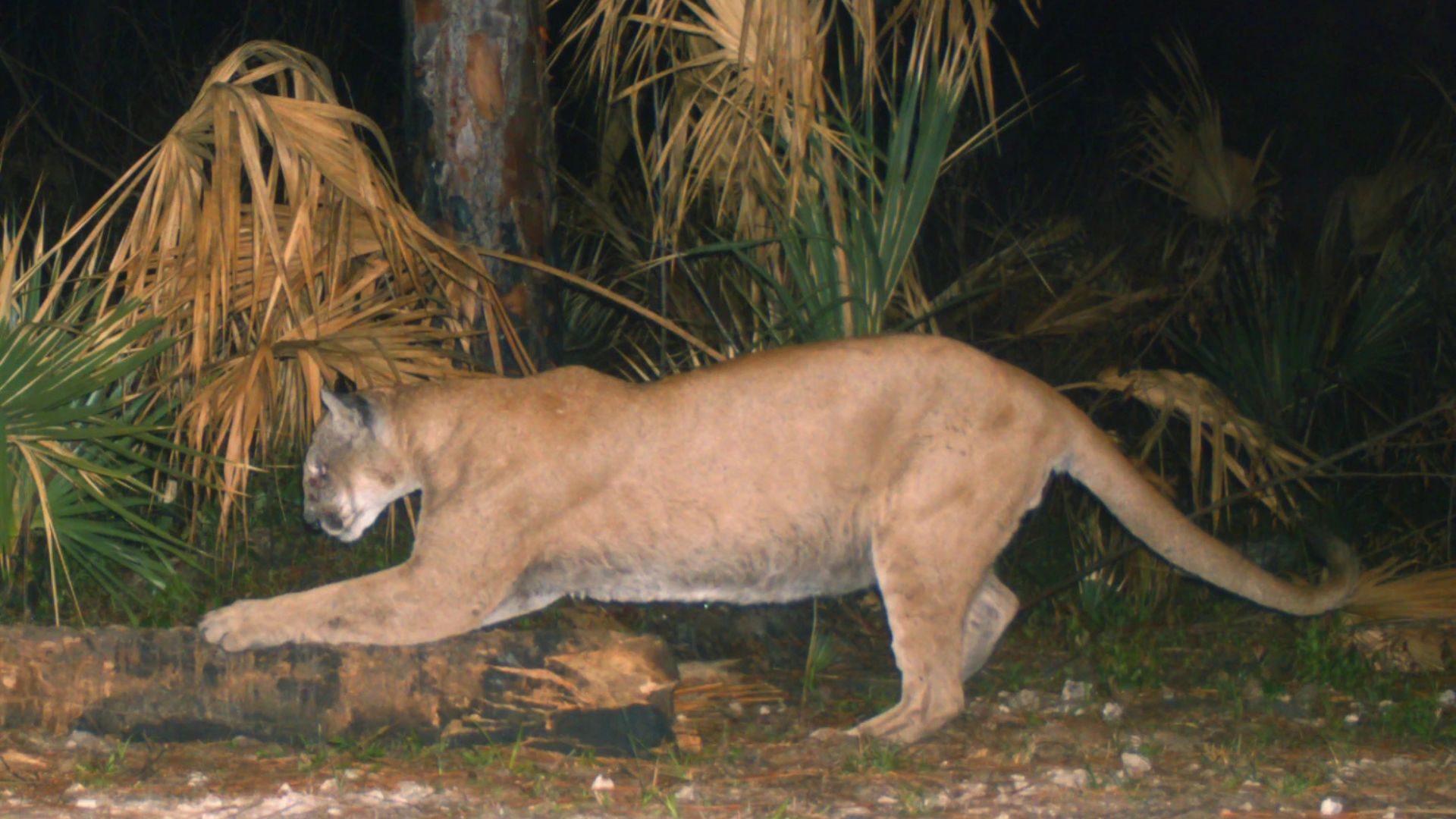
2. Florida Panther (Puma concolor coryi) — The Ghost of the Everglades
| Status | Population (2025) | Core Range | Best Viewing |
|---|---|---|---|
| Critically Endangered (Federal) | 120 – 230 adults (FWC 2025) | Big Cypress & Everglades wetlands | Fakahatchee Strand Preserve · Corkscrew Swamp Sanctuary (at dawn) |
Threats
- Road collisions (~25 deaths annually)
- Habitat fragmentation from urban expansion
Conservation Milestones
| Action | Result |
|---|---|
| Wildlife underpasses (SR-29, I-75) | 68 % drop in road kills (2020-25) |
| Genetic rescue (Texas cougar intro since 1995) | Improved health & fertility in kittens |
3. Spinetail Devil Ray (Mobula mobular) — Wings of the Gulf
| Status | Population | Habitat | Best Time |
|---|---|---|---|
| Endangered (IUCN) | ≈ 1 500 (Gulf of Mexico) | Open Gulf & Florida shelf waters (0–1 100 m) | June – August (near Egmont Key) |
Why Endangered: Slow reproduction (one pup every 2–3 years) + bycatch in gillnets.
Progress: 41 % bycatch decline since 2020 gillnet phase-out.
4. Frosted Flatwoods Salamander (Ambystoma cingulatum) — The Fire-Dependent Amphibian
| Status | Breeding Sites (2025) | Range |
|---|---|---|
| Endangered (Federal) | 87 verified (USGS) | Apalachicola NF · St. Marks NWR |
Ecology: Breeds in ephemeral grassy ponds maintained by periodic fire.
Threats
- Fire suppression → woody encroachment
- Drought reduces egg hatching success
Success: 52 ponds restored via controlled burns (2020–25).
5. Spotted Turtle (Clemmys guttata) — The Polka-Dotted Recluse
| Status | Decline | Size | Range |
|---|---|---|---|
| Endangered (IUCN 2020) | ↓ 50 % in 25 yrs | ~ 12 cm shell | Eastern U.S., into North Florida |
Threats: Wetland loss · illegal pet trade · road mortality.
Hope: 298 captive-reared juveniles released (2024 FWC program).
6. Blacknose Shark (Carcharhinus acronotus) — The Small Coastal Predator
| Status | Decline 1992-2022 | Length | Habitat |
|---|---|---|---|
| Endangered (SEDAR 2024) | − 70 % biomass | ≤ 1.3 m | Tropical & subtropical Atlantic coasts |
Progress: Bycatch Reduction Devices cut mortality 58 %.
See Them: Biscayne NP snorkel tours (no chumming).
7. Georgia Blind Salamander (Eurycea wallacei) — The Eyeless Cave Dweller
| Status | Est. Population | Location |
|---|---|---|
| Endangered (IUCN 2021) | ≈ 600 in FL caves | Jackson Co., Florida Caverns SP |
Lives entirely in underground aquifers—no eyes, no lungs.
Threats: Nitrate pollution ↓ aquifer oxygen; fungal disease risks.
Recovery: 18 % drop in nitrate levels (FL DEP 2025).
8. Variable Cuckoo Bumblebee (Bombus variabilis) — The Missing Pollinator
| Status | Last FL Record | Host Species Decline |
|---|---|---|
| Critically Endangered (IUCN 2014) | 2018 (Bumble Bee Watch) | − 89 % Bombus pensylvanicus population |
A parasitic bee that lays eggs in other bees’ nests.
Recovery Route: Native prairie restoration & pesticide reduction.
9. Arogos Skipper (Atrytone arogos) — The Prairie Ember
| Status | Florida Sites | Threats |
|---|---|---|
| Endangered (FWS 2021) | ≤ 12 prairie populations | Habitat conversion & fire suppression |
Prescribed burn + native grass replanting tripled numbers (2023-25).
See Them: Kissimmee Prairie Preserve (June–July).
10. Escambia Crayfish (Procambarus escambiensis) — The Hidden Engineer
| Status | Habitat Loss | Habitat Restored (2025) |
|---|---|---|
| Endangered (IUCN 2010 · FWC 2024) | − 80 % (flatwoods → pine plantations) | 3 streams show recovery after 100 ft buffer law |
Ecological Role: Burrows aerate soil & cycle nutrients.
Where to See: Blackwater River State Forest (research permit only).
Conservation That Works (Florida 2026 Snapshot)
| Action | Annual Investment | Success Rate | Key Beneficiaries |
|---|---|---|---|
| Prescribed burns | $12 million | 92 % | Salamanders · Butterflies |
| Wildlife underpasses | $8 M per site | 68 % | Panthers · Bears |
| Ropeless fishing gear | $1.2 M pilot program | 70 % | Whales · Rays |
| Seagrass restoration | $9 M statewide | 80 % | Manatees · Turtles |
| Pollinator corridors | $2 M grant pool | 60 % | Bees · Butterflies |
Source: FWC, NOAA, USFS Annual Reports (2025)
When and Where to See Florida’s Endangered Wildlife
| Season | Top Species to Spot | Best Regions |
|---|---|---|
| Winter (Dec–Mar) | Manatee · Right Whale · Panther | Crystal River · Big Cypress · Atlantic Coast |
| Spring (Apr–Jun) | Sea Turtles · Butterflies · Grassland birds | Atlantic Beaches · Kissimmee Prairie |
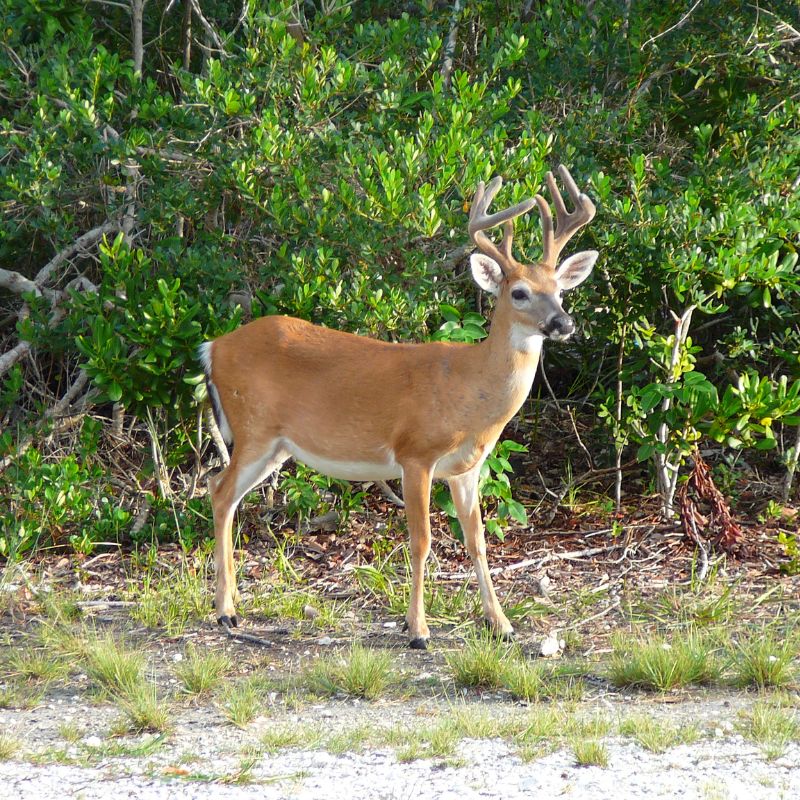
| Summer (Jul–Sep) | Sawfish · Crocodiles · Key Deer | Ten Thousand Islands · Keys |
| Autumn (Oct–Nov) | Migratory birds · Manatee return | Merritt Island · Blue Spring |