North American River Otter
The Playful Phantom of the Riparian Realms
Lontra canadensis
Quick Facts About North American River Otter
| Category | Details |
| Common Name | North American River Otter |
| Other Names | River Otter, Northern River Otter |
| Scientific Name | Lontra canadensis |
| Conservation Status | Least Concern (IUCN); Secure (NatureServe G5) |
| Population | Stable to increasing; recovered in much of historic range through reintroductions |
| Lifespan | 8–13 years (wild); up to 20+ years in captivity |
| Size | 100–153 cm (39–60 in) total length (body 66–107 cm; tail 31–46 cm) |
| Weight | 5–15 kg (11–33 lbs); males larger than females |
| Unique Features | Streamlined body, fully webbed feet, dense waterproof fur, long muscular tail, vibrissae (whiskers) |
| Habitat | Rivers, streams, lakes, ponds, marshes, coastal estuaries |
| Geographic Range | Most of Canada and the United States (except arid deserts and treeless Arctic) |
What makes the North American River Otter unique?
Along a sunlit riverbank or a quiet Florida swamp edge, a sleek, chocolate-brown form twists and tumbles through the water in joyful spirals, its whiskered face breaking the surface with a whisker-twitched grin. This is the North American River Otter (Lontra canadensis), a charismatic semiaquatic mustelid celebrated for its boundless energy, social play, and supreme mastery of freshwater habitats. With a streamlined body, webbed feet, and dense waterproof fur, it serves as a top predator and indicator of clean waterways across much of the continent. Once decimated by fur trapping and pollution, it has staged a remarkable comeback through reintroductions and habitat improvements. A conservation success story with stable to expanding populations, this playful phantom stands as a resilient emblem of healthy rivers and an urgent call to protect the unpolluted streams, marshes, and riparian corridors that fuel its aquatic acrobatics.
| Rank | Classification | Interesting Fact |
| Kingdom | Animalia | Otters tumble in a kingdom alive with aquatic joy—rivers’ playful pulse! |
| Phylum | Chordata | Their flexible spine fuels a phantom’s graceful glide through currents. |
| Class | Mammalia | Fur cloaks their sleek grace—mustelids reborn as river acrobats! |
| Order | Carnivora | Kin to weasels and minks, they master semiaquatic hunting. |
| Family | Mustelidae | Mustelid kin, their playfulness distinguishes riparian realms. |
| Genus | Lontra | From Spanish/Portuguese for otter. |
| Species | Lontra canadensis | “Canadensis” nods to their northern stronghold. |
| Subspecies | Several recognized regionally | Vary in size and local adaptations. |
Recommended Reading
Animals of Florida Spring &; Rivers — A Visual Field Guide to 34 Signature Species
Florida Uplands and Pine Flatwoods: A Complete Guide to Habitats, Wildlife & Conservation
Florida Springs and Rivers: A Complete Guide to Habitats, Wildlife &; Conservation
Florida Coastal Ecosystems: A Complete Guide to Habitats, Wildlife &; Conservation
What does a North American River Otter look like?
The North American River Otter is a river-forged athlete, built for speed and agility. Adults measure 100–153 cm total length with a powerful, tapered tail comprising about one-third of that length. They weigh 5–15 kg, with males notably larger. Their dense, short underfur overlaid by coarse guard hairs provides exceptional waterproofing and insulation. Coloration is rich dark brown to chestnut above, lighter silvery on the throat and belly. They feature a broad head, small ears, long sensitive whiskers, short powerful legs with fully webbed feet, and non-retractable claws.
- Size & Weight: 100–153 cm total, 5–15 kg
- Coloration & Fur: Dark brown with silvery underparts; dense waterproof coat
- Sensory Adaptations: Long vibrissae for detecting prey underwater; keen vision and hearing
- Body & Limbs: Streamlined muscular build, webbed feet, strong tail for propulsion
💡 Fun Fact: Their fur traps air bubbles like a built-in wetsuit—rivers’ natural divers!
Read more
The North American River Otter is a sleek, muscular semiaquatic mustelid built for speed and agility in water. Adults measure 100–153 cm (39–60 inches) in total length, with the tail comprising about one-third of that (31–46 cm / 12–18 inches). They weigh 5–15 kg (11–33 lbs), with males noticeably larger and heavier than females. The body is long, streamlined, and cylindrical with a powerful, tapered tail used for propulsion.
- Fur: Dense, short underfur overlaid by longer, coarse guard hairs creates exceptional waterproofing and insulation. Coloration is rich dark brown to chestnut-brown above, with silvery or paler underparts on the throat, belly, and underside of the tail. The fur appears glossy when wet.
- Head and Facial Features: The head is broad and flattened with small, rounded ears that can close underwater. The muzzle is blunt with long, sensitive vibrissae (whiskers) that detect prey movement in murky water. Eyes are small, dark, and positioned for good underwater vision. The nose is broad and black.
- Limbs and Feet: Legs are short and powerful with fully webbed feet and strong, non-retractable claws for digging and gripping. The hind feet are larger and more heavily webbed than the front feet.
- Tail: Long, muscular, and tapered — flattened on the underside for steering and propulsion during swimming.
- Sexual Dimorphism and Age Variation: Males are larger with broader heads. Juveniles are similar to adults but darker and fluffier with less developed musculature; full adult size and coat quality are reached by 1–2 years (Greene & Losos 2025).
Where do North American River Otters live?
North American River Otters inhabit a wide variety of freshwater and coastal habitats including rivers, streams, lakes, ponds, marshes, and estuaries, preferring areas with abundant cover, prey, and clean water. They den in burrows, hollow logs, or beaver lodges. Their range spans most of Canada and the United States, with reintroductions restoring presence in many areas where they had been extirpated. They tolerate varied climates but avoid arid deserts and extreme Arctic tundra.
- Regions: Most of North America
- Countries/States: Canada, United States (including Florida), northern Mexico
- Preferred Habitat: Riparian zones with vegetation and structure
- Elevation Range: Sea level to high elevations in mountains
💡 Did You Know? They share habitats with beavers—rivers’ cooperative engineers!
Read more
The North American River Otter is a widespread semiaquatic mustelid found across most of North America in freshwater and coastal habitats with abundant prey and cover. It has successfully recovered in many areas through reintroductions after historical declines.
Current Range
Present across Canada (except the high Arctic) and most of the United States, including Alaska, the Pacific Northwest, the Great Lakes region, the Northeast, the Southeast (including Florida), and parts of the Southwest. Reintroductions have restored populations in many Midwestern and Eastern states where they had been extirpated. Absent from the driest desert regions and treeless Arctic tundra (Greene & Losos 2025).
Preferred Habitat
- Rivers, streams, lakes, ponds, marshes, and coastal estuaries with clean water and abundant fish/crayfish prey
- Areas with dense riparian vegetation, downed logs, beaver lodges, or bank burrows for denning and resting
- Both remote wilderness and suburban/urban waterways where water quality is sufficient
Elevation and Seasonal Movements
From sea level to high mountain streams. Generally non-migratory but highly mobile, moving along waterways in response to food availability, water levels, and ice cover. Some northern populations undertake seasonal movements to avoid frozen waterways (Herrel et al. 2025).
What do North American River Otters eat?
River Otters are opportunistic carnivores, primarily eating fish (especially slower species like suckers and catfish), crayfish, frogs, turtles, insects, and mollusks. They occasionally take birds, small mammals, and carrion. They hunt by diving and chasing prey underwater, using sensitive whiskers to detect movement. A single otter may consume 1–2 kg of food daily.
- Primary Diet: Fish, crayfish, amphibians, crustaceans
- Feeding Method: Underwater pursuit and ambush
- Adaptations for Feeding: Sharp teeth, powerful jaws, vibrissae for sensing
💡 Fun Fact: They eat while floating on their backs—rivers’ natural picnickers!
Read more
The North American River Otter is an opportunistic carnivore that primarily eats fish and crayfish, with a varied diet depending on availability.
Primary Diet
- Fish (especially slower species like suckers, catfish, and sunfish) – 50–80 %
- Crayfish and crustaceans – 10–30 %
- Amphibians, insects, mollusks, small mammals, birds, and carrion – remainder A single adult may consume 1–2 kg (2–4 lbs) of food daily, with higher intake in cold weather or during lactation (Greene & Losos 2025).
Underwater Pursuit Foraging
Hunts by diving and chasing prey underwater, using sensitive whiskers to detect movement in murky water. Often forages in family groups, with adults teaching young. Frequently eats while floating on its back (Herrel et al. 2025).
Seasonal and Geographic Shifts
- Spring/summer: heavy reliance on fish and crayfish
- Winter: increased consumption of slower or dormant prey and carrion
- Coastal populations: more marine invertebrates and fish (Shea 2025).
Are North American River Otters social or solitary?
River Otters are more social than many mustelids, often living in family groups or small parties, especially mothers with pups. They are famous for playful sliding, wrestling, and chasing. Communication includes chirps, whistles, growls, and scent marking. They maintain territories but show overlap.
- Vocalizations: Chirps, whistles, growls
- Body Language: Sliding, wrestling, grooming
- Social Structure: Family groups; more solitary males
💡 Interesting Fact: Their play sessions are legendary—rivers’ joyful social clubs!
Read more
The North American River Otter is one of the most social and playful mustelids, using a rich repertoire of vocalizations, scent marking, and physical play to maintain bonds and coordinate activities.
Social Structure
Lives in family groups (mother and pups) or small parties; adult males are more solitary but may join groups seasonally. Highly social compared to other mustelids, with frequent play that strengthens bonds and hones skills (Greene & Losos 2025).
Vocalizations
Chirps, whistles, growls, chuckles, and screams — used for contact, alarm, play, and distress. Pups are particularly vocal. Scent marking with anal glands is important for territory and communication (Herrel et al. 2025).
Playful Behavior
Famous for sliding on mud, snow, or ice, wrestling, chasing, and rolling — these activities build coordination, strength, and social bonds while practicing hunting techniques (Shea 2025).
Territoriality and Foraging
Maintains linear territories along waterways, marked with scent. Forages individually or in groups, often cooperating to corner fish (Greene & Losos 2025).
Human Interaction & Tolerance
Curious and bold in protected areas but wary of humans in hunted populations. Rarely aggressive unless cornered or protecting young (Shea 2025).
How does the North American River Otter thrive in aquatic habitats?
This otter is superbly adapted for life in water with a streamlined body, webbed feet, muscular tail for propulsion, and the ability to hold its breath for up to 8 minutes. Its dense fur insulates against cold water, while nostrils and ears can close underwater. Highly playful behavior strengthens social bonds and hones hunting skills. They are crepuscular and highly mobile.
- Swimming – Webbed feet and powerful tail.
- Insulation – Waterproof double-layered fur.
- Sensory – Whiskers for dark-water hunting.
Survival Score
- Strength: 8.5/10 – Agile and powerful hunter.
- Stealth: 9/10 – Sleek diver in clear and murky waters.
- Adaptability: 9/10 – Recovered across varied habitats.
Read more
The North American River Otter is superbly adapted for a semiaquatic lifestyle with exceptional swimming ability, waterproofing, and playful behavior that strengthens social bonds and hones hunting skills.
Exceptional Swimming Adaptations
Streamlined body, powerful muscular tail, fully webbed feet, and closable nostrils/ears allow prolonged underwater pursuits. Can hold breath for up to 8 minutes and swim at high speeds with graceful twists and turns (Greene & Losos 2025).
Superior Waterproofing and Insulation
Dense double-layered fur traps air bubbles for buoyancy and insulation, keeping the skin dry even in cold water. Oil from glands helps maintain waterproofing. This allows activity in icy conditions where other mammals cannot function (Herrel et al. 2025).
Sensory Whiskers (Vibrissae)
Long, sensitive whiskers detect water movements and prey in murky or dark conditions — critical for hunting in low-visibility environments (Shea 2025).
Playful Behavior for Skill Development
Famous for sliding on mud or snow, wrestling, and chasing games — these activities strengthen social bonds, improve coordination, and practice hunting techniques (Greene & Losos 2025).
Flexible Denning and Mobility
Uses beaver lodges, bank burrows, hollow logs, or rock crevices for dens. Highly mobile along connected waterways, allowing rapid response to changing food or water conditions (Shea 2025).
How do North American River Otters reproduce?
Breeding occurs in late winter to spring, with delayed implantation resulting in a 9–12 month gestation. Females give birth to 1–5 pups (usually 2–3) in secluded dens. Pups are born blind and helpless, opening eyes at about 1 month, and enter water at 2–3 months. They stay with the mother for 6–12 months. Maturity at 2–3 years.
- Breeding Season: Late winter–spring
- Litter Size: 1–5 pups (avg. 2–3)
- Gestation: 9–12 months (delayed implantation)
- Parental Care: Female raises pups
💡 Did You Know? Pups learn to swim through playful coaxing—rivers’ aquatic apprentices!
Read more
North American River Otter reproduction features delayed implantation, seasonal breeding, and extended maternal care in secluded dens.
Breeding Season
Mating occurs in late winter to early spring (February–April). Delayed implantation results in a total gestation of 9–12 months, with actual embryonic development lasting about 2 months. Births peak in March–May (Greene & Losos 2025).
Litter and Denning
Females give birth to 1–5 pups (average 2–3) in secluded dens (beaver lodges, bank burrows, hollow logs). Pups are born blind and helpless with dense natal fur. Eyes open at about 1 month; they enter water at 2–3 months (Herrel et al. 2025).
Parental Care
The mother provides all care; males may join later. Pups learn swimming and hunting through playful coaxing and observation. They remain with the mother for 6–12 months, reaching independence in late fall or winter. Maturity at 2–3 years (Shea 2025).
Mortality Factors
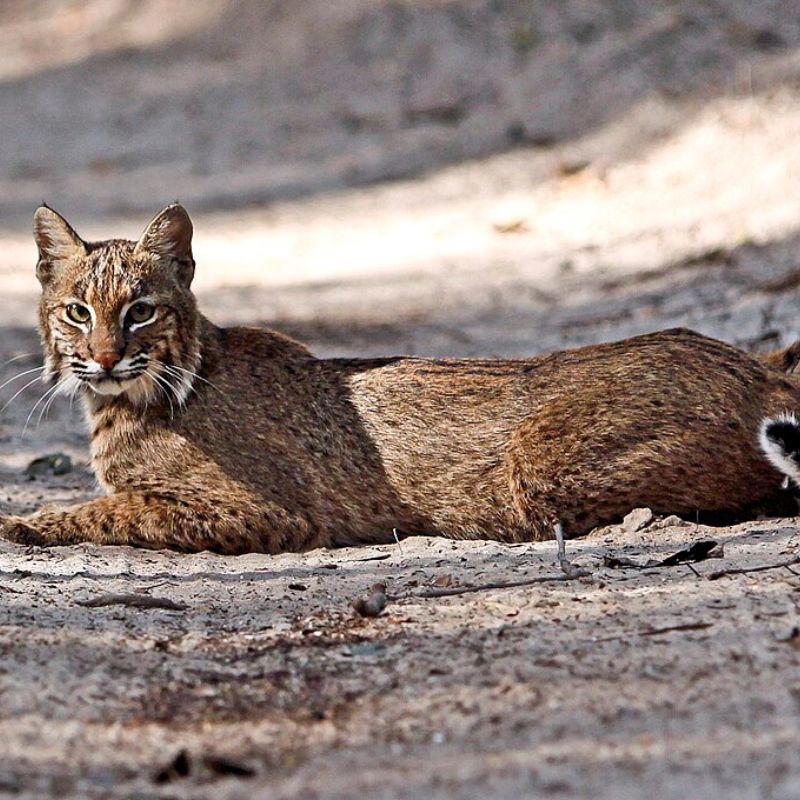
First-year survival is variable but often low due to predation, starvation, and accidents. Primary causes: eagles, coyotes, bobcats, and human-related mortality (Greene & Losos 2025).
Adaptability to Den Sites
Uses a variety of natural and human-influenced sites — highly flexible in den selection (Shea 2025).
Why is the North American River Otter vital to its ecosystem?
As apex or mesopredators, otters help regulate fish and invertebrate populations while serving as indicators of water quality and ecosystem health. Their presence signals clean, productive waterways. They link aquatic and terrestrial food webs and benefit from beaver-engineered habitats.
- Predation: Controls prey populations.
- Indicator Species: Reflects water quality and habitat integrity.
- Food Web Role: Connects aquatic resources to land.
💡 Fun Fact: They’re a flagship for river restoration—waters’ whiskered ambassadors!
Read more
The North American River Otter is a mesopredator and indicator species in freshwater ecosystems: its presence signals clean water and healthy fish/crayfish populations, while its foraging helps regulate prey species.
Regulation of Prey Populations
As a top predator in many smaller waterways, it helps control fish and crayfish numbers, preventing overpopulation and maintaining balance in aquatic communities (Shea 2025).
Indicator of Water Quality
Highly sensitive to pollution and habitat degradation — its recovery in many areas reflects successful water quality improvements and riparian restoration (Greene & Losos 2025).
Link Between Aquatic and Terrestrial Food Webs
Transfers energy from aquatic prey to terrestrial predators (eagles, coyotes, bobcats) and contributes nutrients through scat (Herrel et al. 2025).
Flagship Species for Riparian Conservation
Its charismatic, playful nature makes it an excellent flagship for river and wetland protection efforts, drawing public support for broader ecosystem conservation (Shea 2025).
- Master sliders—nature’s happiest commuters down muddy banks!
- Can hold breath up to 8 minutes—rivers’ champion divers!
- Highly intelligent and curious—rivers’ playful problem-solvers!
Why is the North American River Otter at risk?
While currently secure overall, threats include habitat loss, water pollution, road mortality, and occasional trapping. Historical declines from fur harvest and pollution have been largely reversed through conservation.
- ⚠ Habitat Alteration: Development and pollution.
- ⚠ Human Conflict: Road kills and bycatch.
- ⚠ Historical Pressures: Now largely mitigated.
Conservation Efforts
- Protected Areas & Reintroductions: Successful programs across many states.
- Habitat Restoration: Water quality improvements and riparian protection.
- Monitoring: State agencies and citizen science.
✅ What We Can Do:
- Support clean water initiatives—otters play, rivers thrive.
- Drive carefully near waterways—protect traveling phantoms.
- Back reintroduction and habitat programs—champion river recovery.
Read more
The North American River Otter is listed as Least Concern on the IUCN Red List (last assessed 2016) and is considered Secure (G5) by NatureServe. It has made one of the most successful recoveries among North American mammals through reintroductions and habitat improvements after historical declines from fur trapping and pollution.
Current Population & Distribution
Populations are stable to increasing across most of the range. Reintroductions have restored the species to many areas where it had been extirpated. Strongholds remain in Canada, Alaska, the Pacific Northwest, the Great Lakes region, and the Southeast (Greene & Losos 2025).
Primary Threats
- Localized habitat loss and fragmentation: development, pollution, and disruption of riparian corridors.
- Road mortality and human conflict: vehicle strikes along waterways and occasional trapping or shooting.
- Water quality degradation: pollution and sedimentation affecting prey availability.
- Climate change: altered water flows, drought, and warming temperatures in southern ranges (Herrel et al. 2025).
Conservation Successes & Active Recovery
- Reintroduction programs: highly successful in the Midwest, Northeast, and Southwest.
- Habitat protection: riparian buffer zones, wetland restoration, and clean water initiatives.
- Monitoring: state agencies, citizen science, and fur harvest data track populations.
- Education and coexistence: programs promoting tolerance and responsible recreation near waterways (Shea 2025).
The North American River Otter remains a conservation success story with stable to expanding populations where habitat and water quality are maintained. Every protected river corridor, every water quality improvement, and every careful driver near waterways is a direct vote for keeping this playful phantom tumbling through North American rivers for another century.
Recent studies highlight continued population stability, habitat use in human-modified landscapes (including docks), dietary variation, and success of conservation efforts. Research emphasizes their role as indicators and the benefits of riparian restoration.
The North American River Otter is a diver, a player, the riparian realm’s whiskered pulse. Its recovery shows what conservation can achieve—let’s champion clean waters and its joyful presence.
✅ Share this article – Amplify its river romp!
✅ Support conservation – Back water quality and habitat restoration.
✅ Protect waterways – Reduce pollution, revive a legacy.


Arya Sankar is a postgraduate in Zoology with academic and research experience in wildlife and marine sciences. She has worked on research projects at the Central Marine Fisheries Research Institute and has been actively involved in science education and skill development. Her contributions focus on accurate species information, conservation awareness, and educational wildlife content.
- Smithsonian’s National Zoo & Conservation Biology Institute. North American River Otter (Lontra canadensis) Fact Sheet.
- Animal Diversity Web (University of Michigan). Lontra canadensis (North American River Otter).
- National Wildlife Federation. North American River Otter.
- IUCN Red List of Threatened Species. Lontra canadensis (North American River Otter).