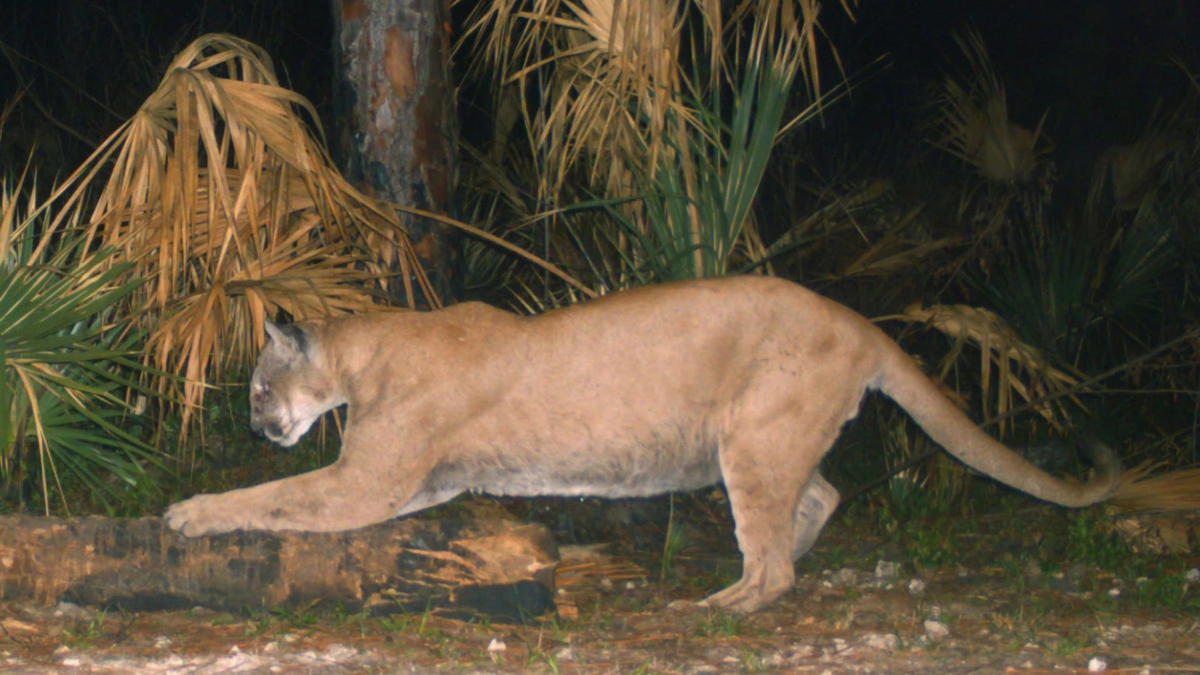
Once on the verge of extinction, the Florida panther (Puma concolor coryi) has made one of the most remarkable recoveries in American conservation history. From fewer than thirty individuals in the 1970s to over two hundred today, this elusive predator has not only survived but become a living symbol of Florida’s wild resilience. Its story blends science, politics, and passion — a blueprint for how humans can help nature heal itself.
The Brink of Disappearance
By the mid-20th century, Florida’s only big cat had nearly vanished.
Habitat destruction, hunting, and isolation left the panther population genetically crippled and confined to a few remote swamps in southwest Florida.
According to the U.S. Fish & Wildlife Service (USFWS), the species was listed as endangered in 1967, one of the first to receive federal protection under the Endangered Species Act.
Source: USFWS – Florida Panther Species Profile
At its lowest point, fewer than 30 panthers roamed the wild — most with kinked tails, heart defects, and low fertility caused by inbreeding. Biologists warned that without genetic rescue, Florida would lose its state animal forever.
🎥 Endangered Florida Panther Caught On Video
The Genetic Rescue That Changed Everything
In 1995, a bold and controversial plan was launched: introduce eight female Texas cougars (Puma concolor stanleyana) to revitalize the gene pool.
As documented by the Florida Fish and Wildlife Conservation Commission (FWC), this “genetic rescue” proved transformative.
The hybrid offspring were healthier, stronger, and better adapted to survive. Birth defects plummeted, and kitten survival rates rose dramatically.
Source: FWC – Florida Panther Overview
Within two decades, the population grew fivefold, marking one of the most successful examples of applied conservation genetics in the world.
A 2011 study in Science confirmed that similar predator recoveries can restore entire ecosystems — a process known as trophic rewilding.
Source: Science – “Trophic Downgrading of Planet Earth”
Expanding Beyond the Everglades
The modern Florida panther is still concentrated in Big Cypress National Preserve, Everglades National Park, and surrounding ranchlands.
But sightings north of the Caloosahatchee River in recent years suggest that the cats are slowly reclaiming parts of their historic range.
USFWS biologists now document breeding females outside traditional core areas — an encouraging sign that recovery is moving beyond its starting point.
To support this natural expansion, conservationists and state agencies are building wildlife crossings and green corridors that allow safe passage beneath highways such as Interstate 75 (Alligator Alley).
These projects are part of the Florida Wildlife Corridor, a 18-million-acre network of protected and working lands connecting habitats across the state.
Source: Florida Wildlife Corridor Foundation
The Road to Recovery — and the Risks Ahead
Despite progress, road collisions remain the leading cause of panther deaths.
The FWC reports that between 2011 and 2023, more than 250 panthers were killed by vehicles.
As Florida’s population booms, new roads and developments threaten to fragment what little habitat remains.
Wildlife underpasses and vegetated bridges, lined with fencing to guide animals, have reduced fatalities in key areas.
Engineers continue to expand these crossings along major highways, proving that smart infrastructure can protect both people and predators.
Restoring Balance in the Wild
The Florida panther’s comeback is not just about saving one species — it’s about restoring balance to an entire ecosystem.
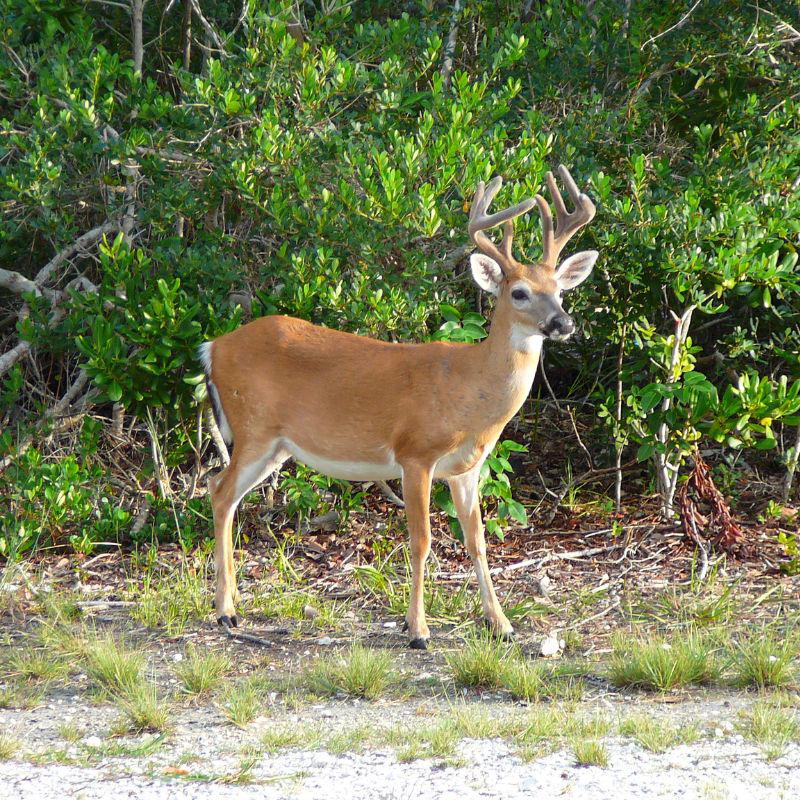
As apex predators, panthers regulate deer and wild hog populations, allowing vegetation and wetlands to recover.
Their kills feed scavengers like bobcats, vultures, and caracaras, enriching the Everglades’ nutrient cycle.
National Geographic describes this as “ecological rewilding,” where the return of a top predator revitalizes biodiversity from the ground up.
Source: National Geographic – Keystone Species
Every panther that roams the swamps today represents healthier forests, cleaner water, and a stronger Florida.
Partnerships That Keep the Comeback Alive
The fight to save the Florida panther unites scientists, ranchers, and citizens.
Organizations such as Defenders of Wildlife and The Nature Conservancy work with landowners to create panther-friendly ranching practices, while state and federal agencies coordinate monitoring and public education.
Source: Defenders of Wildlife – Living with Panthers
The Smithsonian’s National Zoo also highlights the panther as a global model for species recovery — proof that conservation works when long-term commitment replaces quick fixes.
Source: Smithsonian’s National Zoo – Florida Panther Profile
Lessons from the Comeback
The Florida panther’s story teaches us that extinction isn’t inevitable — but recovery requires persistence.
It demands connected landscapes, science-based policy, and public support
Saving this cat also saves the Everglades watershed, the aquifers that supply Florida’s drinking water, and the biodiversity that underpins the state’s economy.
In short, the panther’s comeback is really Florida’s comeback — a reminder that protecting one species can heal an entire system.
Quick Facts About the Florida Panther
| Trait | Detail |
| Scientific Name | Puma concolor coryi |
| Population | ~120–230 adults (FWC, 2023) |
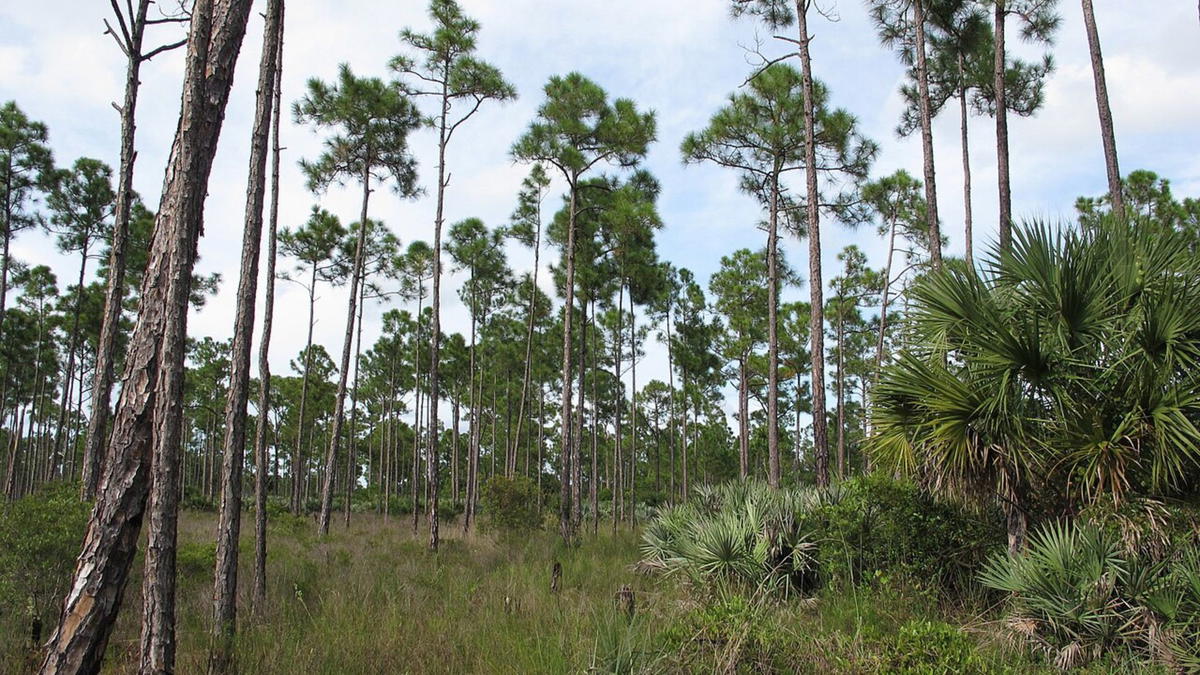
| Habitat | Forests, swamps, and grasslands of southern Florida |
| Diet | White-tailed deer, feral hogs, raccoons, armadillos |
| Home Range | 200 sq mi (males), 70–100 sq mi (females) |
| Conservation Status | Endangered (U.S. Endangered Species Act) |
| Top Threats | Vehicle collisions, habitat loss, urban sprawl |
The Road Forward
The Florida panther remains one of the rarest big cats on Earth — but it’s also one of the greatest comeback stories ever written in American conservation.
Its survival required courage, science, and a belief that every life matters in the web of nature.
As long as the panther continues to roam the Glades, its golden eyes reflecting the last light of a Florida sunset, it will remind us what’s possible when humans choose protection over indifference — and coexistence over conquest.
References
- U.S. Fish & Wildlife Service – Florida Panther (Puma concolor cory
- Florida Fish & Wildlife Conservation Commission – Florida Panther Profile
- Florida Wildlife Corridor Foundation – Official Site
- National Geographic – Keystone Species
- Defenders of Wildlife – Living with Panthers
- Smithsonian’s National Zoo – Florida Panther Profile
FAQs about Florida Panther
1. What caused the Florida panther to become endangered?
The Florida panther nearly vanished due to decades of hunting, habitat loss, and highway expansion that isolated its population. By the 1970s, inbreeding caused severe health issues such as kinked tails and heart defects. Only 20–30 adults remained in South Florida before legal protection and restoration efforts began.
2. What was the “genetic rescue” that saved the Florida panther?
In 1995, wildlife biologists introduced eight female Texas cougars into South Florida to restore lost genetic diversity. This pioneering “genetic rescue” reduced defects, improved fertility, and stabilized the population—becoming one of the most successful large-mammal recovery programs in U.S. conservation history.
3. How many Florida panthers are left today?
Current estimates from the Florida Fish and Wildlife Conservation Commission (FWC) place the population between 120 and 230 adults. These panthers now occupy parts of southwest Florida, and new sightings north of the Caloosahatchee River signal cautious but encouraging expansion.
4. Why is the Florida panther important to the ecosystem?
As Florida’s top predator, the panther helps regulate deer and hog populations, preventing overgrazing and protecting wetlands. Its kills also feed scavengers such as vultures and bobcats, recycling nutrients and maintaining a balanced, resilient Everglades ecosystem.
5. What is the Florida Wildlife Corridor, and why does it matter?
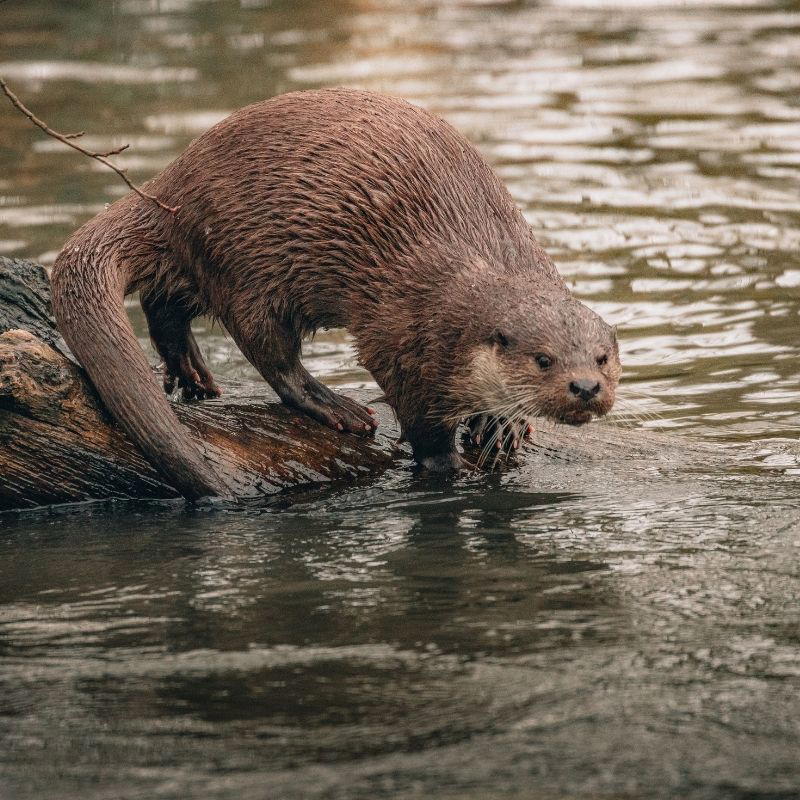
The Florida Wildlife Corridor connects millions of acres of public and private land, allowing animals like panthers, bears, and otters to roam safely. This network preserves migration routes, safeguards freshwater sources, and supports climate-resilient ecosystems across the state.
6. What is the biggest threat to the Florida panther today?
Vehicle collisions are the leading cause of panther deaths. Expanding highways cut through wildlife areas, forcing panthers to cross roads in search of mates and food. Florida now builds underpasses and vegetated overpasses, especially along Alligator Alley, to reduce fatalities.
7. Where do Florida panthers live now?
Wild panthers primarily inhabit Big Cypress National Preserve, Everglades National Park, and nearby private ranchlands in southwest Florida. Occasional verified tracks north of the Caloosahatchee River show that the species is slowly reclaiming portions of its historical range.
9. Who manages and studies Florida panthers?
The U.S. Fish & Wildlife Service and the Florida Fish & Wildlife Conservation Commission jointly lead recovery efforts, supported by groups such as Defenders of Wildlife and The Nature Conservancy. These partners track panthers, restore corridors, and promote coexistence with local ranchers.
10. What can people do to help the Florida panther?
Drivers can slow down in marked wildlife zones, support land-preservation initiatives, and report sightings to wildlife authorities. Donating to conservation groups or advocating for protected corridors directly contributes to securing the Florida panther’s future.