Introduction
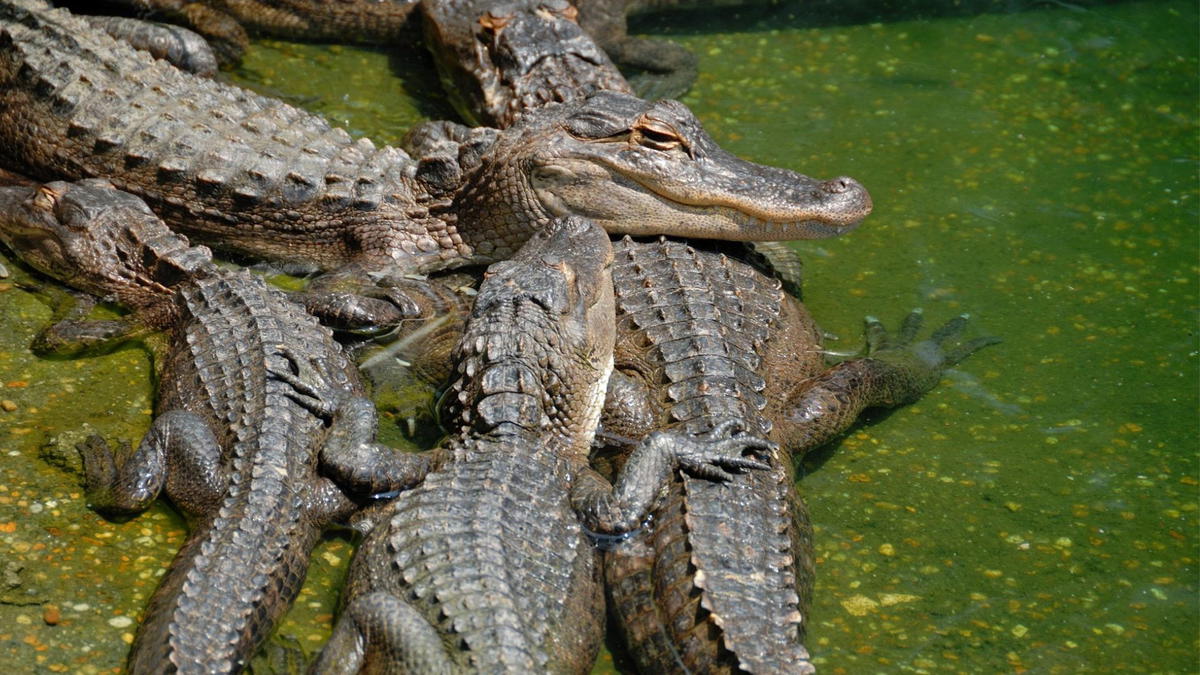
The American alligator (Alligator mississippiensis) is one of the most recognizable apex predators in the wetlands of the southeastern United States. Florida alone supports an estimated 1.3 million alligators, making encounters between humans and these reptiles relatively common in lakes, canals, marshes, and residential ponds. Despite their powerful jaws and ambush-hunting abilities, statistical evidence shows that serious attacks on humans are extremely rare.
Understanding the actual risk requires examining long-term incident data collected by wildlife agencies such as the Florida Fish and Wildlife Conservation Commission (FWC) and research institutions including the University of Florida. These records distinguish between random attacks and incidents influenced by human behavior, providing a clearer picture of how often dangerous encounters truly occur.
By analyzing attack frequency, behavioral triggers, and environmental context, scientists can better explain why most alligator interactions end without injury. Long-term Florida statistics show that the probability of serious injury remains extremely low and that many incidents occur when people unknowingly enter ecological conditions that resemble natural hunting scenarios.
1. The Probability of a Serious Alligator Attack Is Extremely Low
One of the most important statistics about alligator danger in Florida concerns the probability of serious injury. According to analyses compiled by the Florida Fish and Wildlife Conservation Commission (FWC), the likelihood that a Florida resident will be seriously injured in an unprovoked alligator attack is roughly 1 in 3.1 million in any given year.
This extremely low probability reflects the behavioral ecology of alligators. Although adults can deliver bite forces exceeding 2,000 pounds per square inch (PSI), they generally avoid animals much larger than their typical prey. Their natural diet consists primarily of fish, turtles, birds, and medium-sized mammals.
Humans fall outside the size range that alligators typically target. As ambush predators, they conserve energy and avoid unnecessary injury, which would reduce their ability to hunt. Attacking large unfamiliar animals therefore offers little evolutionary advantage.
For this reason, most encounters end with the reptile retreating into the water rather than initiating a strike. The statistical evidence demonstrates that although alligators possess formidable physical capabilities, the baseline risk of attack remains extremely low when humans maintain normal distance and avoid provoking defensive responses.
2. Long-Term Records Show Very Few Fatal Encounters
Historical records provide important perspective on the danger posed by alligators. Since 1948, when Florida began systematically documenting incidents, the state has recorded approximately 489 unprovoked bites involving alligators.
Out of these incidents, 31 resulted in fatalities as of early 2026. Across nearly eight decades—with millions of residents and tens of millions of annual visitors—fatal encounters remain exceptionally rare.
On average, Florida experiences about eight unprovoked bites per year that are serious enough to require professional medical treatment. Even in years with higher totals, the number of incidents remains extremely small relative to the state’s population and the millions of recreational water activities occurring annually.
These long-term records illustrate that serious attacks occur at a very low frequency relative to human exposure. Continuous monitoring by the FWC allows researchers to analyze patterns in human–alligator interactions and develop evidence-based safety recommendations that further reduce risk.
3. Most Incidents Are Linked to Human Behavior
Scientific analysis increasingly shows that human behavior plays a major role in recorded alligator incidents. A 2025 study conducted by researchers at the University of Florida, published in the journal Human–Wildlife Interactions, analyzed decades of FWC incident reports and concluded that approximately 96% of attacks involved identifiable risky human behavior.
Examples include swimming in waters known to contain alligators, approaching animals closely for photographs, feeding alligators, or allowing pets to move along shorelines where alligators typically hunt.
These activities can unintentionally trigger the alligator’s natural predatory or defensive responses. Crocodilians possess integumentary sensory organs along the jaws that detect vibration and water movement. Splashing or erratic motion near shore can resemble struggling prey, activating the ambush reflex.
Feeding alligators is particularly dangerous because it produces behavioral conditioning. When repeatedly fed, alligators lose their natural wariness of humans and begin associating people with food sources. Wildlife authorities classify such individuals as “nuisance alligators”, and they are typically removed from developed areas.
The research demonstrates that the vast majority of incidents occur under predictable and preventable conditions.
4. Most Attacks Occur in Specific Environmental Situations
Incident reports also reveal that dangerous encounters tend to occur under predictable environmental conditions. Many documented attacks happen when humans are in or very near water, particularly during dawn, dusk, or nighttime hours.
These periods coincide with peak hunting activity for alligators. Like many crocodilians, they possess low-light visual adaptations, including a reflective eye structure known as the tapetum lucidum, which enhances night vision.
When prey animals approach the water’s edge to drink or cross shallow areas, alligators often remain submerged and strike rapidly at close range. Human activities that resemble these situations—such as swimming, wading, or allowing dogs to splash near shorelines—can unintentionally place people within an active hunting zone.
Seasonal patterns also influence encounter risk. During the spring breeding season (April–June), male alligators become more active and territorial, while females may defend nests later in the summer.
Recognizing these environmental patterns helps wildlife agencies develop safety recommendations designed to minimize dangerous encounters.
5. Following Basic Safety Guidelines Prevents Most Encounters
Wildlife experts consistently emphasize that simple precautionary measures dramatically reduce the risk of alligator incidents. Agencies such as the Florida Fish and Wildlife Conservation Commission recommend maintaining at least 30–50 feet (9–15 meters) of distance from any observed alligator.
Swimming should be limited to designated areas during daylight hours, and people should avoid entering natural freshwater habitats during low-light periods when alligators are most active. Pets should remain on leashes and away from shorelines because their size and splashing movements resemble typical prey animals.
Another critical rule is never feeding wild alligators. Feeding is illegal in Florida and can rapidly condition animals to associate humans with food, increasing the likelihood of aggressive encounters.
In the rare case that an alligator charges on land, wildlife experts advise running straight away from the animal. Alligators can sprint briefly but fatigue quickly, making straight-line escape the most effective response.
When these precautions are followed, the already small probability of an attack becomes even lower.
Key Takeaways
• Statistical analysis from the Florida Fish and Wildlife Conservation Commission indicates that the probability of serious injury from an unprovoked alligator attack is about 1 in 3.1 million per year.
• Since 1948, Florida has recorded roughly 489 unprovoked bites and 31 fatalities, demonstrating extremely low long-term risk relative to population size.
• The state averages about eight serious unprovoked bites annually, despite supporting more than 1.3 million alligators.
• A 2025 University of Florida study found that 96% of incidents involve risky human behavior, including swimming in alligator habitats or feeding wildlife.
• Most attacks occur near water during dawn, dusk, or nighttime, when alligators are naturally active hunters.
• Maintaining distance, avoiding feeding, supervising pets, and swimming only in designated areas prevent the majority of dangerous encounters.
References
• Florida Fish and Wildlife Conservation Commission (FWC)
• University of Florida Institute of Food and Agricultural Sciences (UF/IFAS)
• U.S. Geological Survey (USGS) Wetland and Aquatic Research Center