Introduction
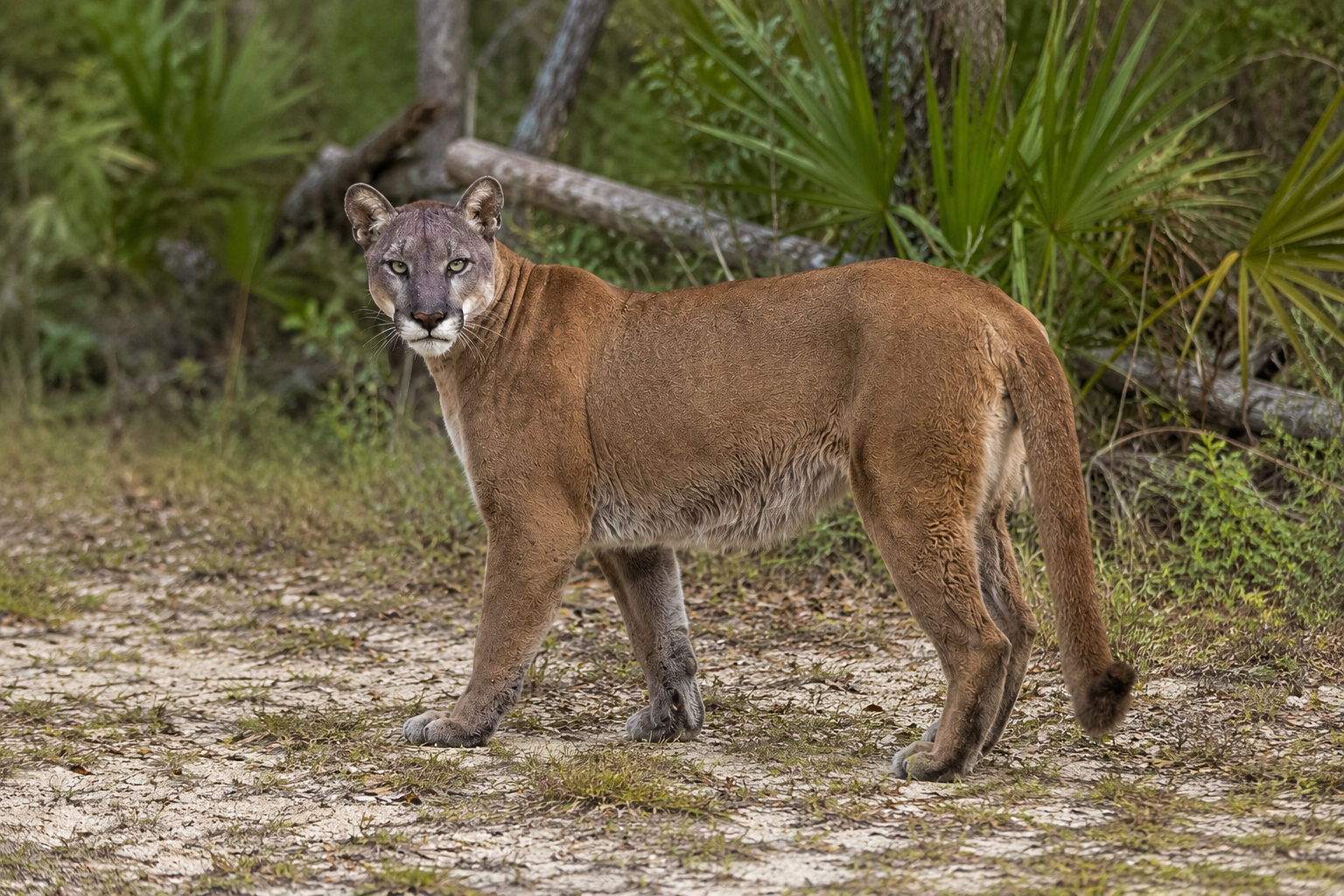
The Florida panther (Puma concolor coryi) is often perceived as a potentially dangerous predator due to its size and role as an apex carnivore. However, long-term monitoring and incident records from agencies such as the U.S. Fish and Wildlife Service and the Florida Fish and Wildlife Conservation Commission present a markedly different conclusion. Despite increasing human population density and expanding development into panther habitat, verified evidence shows that Florida panthers pose extremely low risk to humans.
Understanding this risk requires distinguishing perception from empirical data. Wildlife agencies maintain detailed records of sightings, telemetry-based movement patterns, depredation events, and mortality causes. These datasets provide a consistent, multi-decade picture of how panthers interact with humans and human-dominated landscapes.
This article examines what Florida data actually shows about panther danger, focusing on documented human risk, measurable livestock impacts, and the broader behavioral mechanisms that explain why conflict remains rare.
1. There Are No Verified Fatal or Documented Attacks on Humans
The most definitive finding in Florida data is that there are zero confirmed fatal or verified attacks by Florida panthers on humans in modern recorded history. This conclusion is supported by decades of incident monitoring by both federal and state wildlife agencies.
This absence is statistically significant given increasing overlap between humans and panther habitat, particularly in Southwest Florida. Millions of people live, work, and recreate within the species’ range, yet no confirmed predatory incidents have been documented.
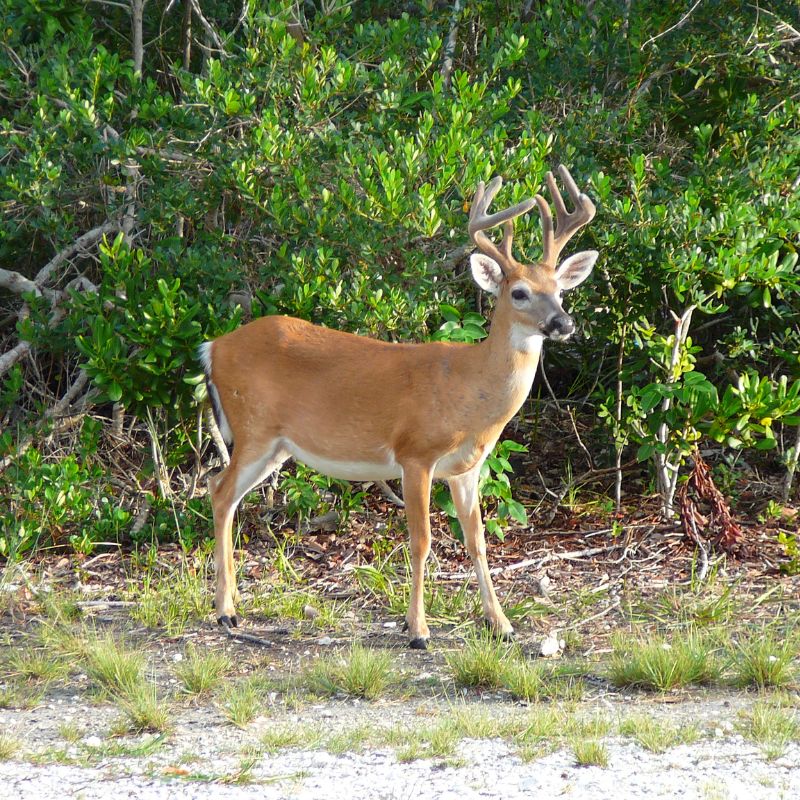
From a biological standpoint, this reflects prey specialization. Panthers are adapted to hunt medium-to-large ungulates such as white-tailed deer and feral hogs, typically within a specific size range and behavior profile. Humans do not match these prey characteristics, and there is no evidence of prey-switching behavior toward humans.
The consistency of a zero-incident record across decades strongly supports the conclusion that Florida panthers do not represent a direct threat to human safety.
2. Behavioral Ecology Shows Strong Human Avoidance
Florida panthers exhibit pronounced avoidance behavior toward humans, a pattern confirmed by GPS telemetry and camera-trap studies. Individuals consistently avoid areas with high human activity, including roads, residential zones, and frequently used trails.
This avoidance is an adaptive survival strategy. Large carnivores that minimize human contact have higher survival rates in fragmented landscapes. Panthers demonstrate behavioral plasticity by shifting activity toward nocturnal periods in areas with increased human presence.
Observed encounter behaviors—such as standing still, watching, or moving parallel at a distance—are typically investigative rather than aggressive. These responses align with risk assessment behavior rather than predatory intent.
From an ecological perspective, this consistent avoidance mechanism is a primary reason why human–panther conflicts remain extremely rare despite geographic overlap.
3. Encounter Probability Is Extremely Low Despite Habitat Overlap
Florida panthers occupy regions that increasingly overlap with human populations, especially in Collier, Lee, and Hendry counties. However, encounter frequency remains extremely low.
This is largely explained by population density. Current estimates place the population at approximately 120–230 individuals, distributed across large territories. Adult males may maintain home ranges exceeding 200–500 km², reducing spatial overlap with humans.
Additionally, panthers preferentially use dense cover and wildlife corridors, limiting visibility and detection. Even in areas where panthers are present, most residents will never observe one directly.
From a probabilistic standpoint, low population density combined with large territorial ranges and avoidance behavior results in an extremely low likelihood of human encounters, reinforcing minimal risk.
4. Rare Encounters Do Not Indicate Aggression
When encounters occur, they are frequently misinterpreted as threatening. However, observed behaviors do not support this interpretation.
A panther that pauses, watches, or follows briefly is typically engaged in assessment rather than predation. Large carnivores often evaluate unfamiliar stimuli before deciding to retreat. Importantly, there is no documented pattern of stalking humans as prey.
Wildlife agencies recommend evidence-based responses: do not run, maintain visual contact, increase apparent body size, and retreat slowly. These guidelines are grounded in predator-prey dynamics, where rapid flight can trigger chase responses in many carnivores.
The key scientific point is that encounter behaviors are consistent with cautious investigation, not aggression, further supporting the conclusion that panthers pose negligible risk to humans.
5. Risk to Pets and Livestock Is Measurable but Context-Dependent
While human risk is effectively negligible, Florida panthers can pose a moderate, localized risk to pets and small livestock. Confirmed depredation events include goats, sheep, pigs, poultry, and free-ranging domestic animals such as cats and small dogs.
These incidents are geographically concentrated in rural areas where natural prey overlap with agricultural activity. Smaller animals fall within the panther’s natural prey size range, making opportunistic predation possible.
Quantitatively, depredation events represent a small fraction of overall feeding behavior, which remains dominated by wild prey. Preventive measures—such as nighttime enclosures, predator-proof fencing, and keeping pets indoors—can reduce incidents by a substantial margin.
This distinction is critical: panthers do not pose danger to humans, but they can affect domestic animals under specific, manageable conditions.
6. Most Panther Mortality Is Caused by Humans, Not Vice Versa
Florida data clearly show that the risk relationship is asymmetric: humans pose a far greater threat to panthers than panthers do to humans.
Vehicle collisions are the leading cause of mortality, with approximately 26–34 panther deaths annually in recent years. Roads such as Interstate 75 (Alligator Alley) intersect key habitat corridors, increasing mortality risk.
The second leading cause is intraspecific conflict, often linked to habitat compression. As territories shrink, panthers are forced into closer proximity, increasing aggressive encounters between individuals.
This mortality pattern demonstrates that panther-related danger is not directed toward humans. Instead, the primary risks are anthropogenic, reshaping the narrative of human–wildlife interaction.
7. Habitat Loss Increases Visibility but Not Aggression
Urban expansion in South Florida has reduced available panther habitat to approximately 2 million acres, concentrating individuals into smaller, fragmented areas.
As development expands, sightings may increase. However, increased visibility does not indicate increased aggression. Instead, it reflects displacement and forced movement across human-dominated landscapes.
Behavioral studies show that even in fragmented habitats, panthers maintain avoidance strategies. They may cross roads or appear near residential edges, but they do not exhibit increased aggression toward humans.
Thus, increased sightings are best interpreted as a function of habitat pressure rather than a change in behavioral risk.
8. Ecological Role Reduces Human–Wildlife Conflict
Florida panthers function as apex predators, regulating populations of white-tailed deer, feral hogs, and mesopredators such as raccoons.
This ecological role has indirect benefits for human systems. By controlling herbivore populations, panthers help reduce vegetation pressure and may contribute to lowering deer–vehicle collision rates. They also influence mesopredator populations that can affect agriculture and disease dynamics.
From a scientific perspective, this positions panthers as a stabilizing ecological force rather than a threat. Their presence contributes to ecosystem balance without increasing risk to human safety.
Understanding this role reframes the question of danger: Florida panthers are not only non-threatening to humans but also ecologically beneficial within shared landscapes.
Key Takeaways
• There are zero verified fatal or documented attacks by Florida panthers on humans.
• Panthers exhibit strong avoidance behavior, significantly reducing encounter probability.
• Low population density (120–230 individuals) and large territories limit human interaction.
• Pets and livestock face moderate, preventable risk in specific rural contexts.
• Humans are the primary threat to panthers, with 26–34 annual deaths from vehicle collisions.
• Increased sightings reflect habitat fragmentation, not increased aggression.