Introduction
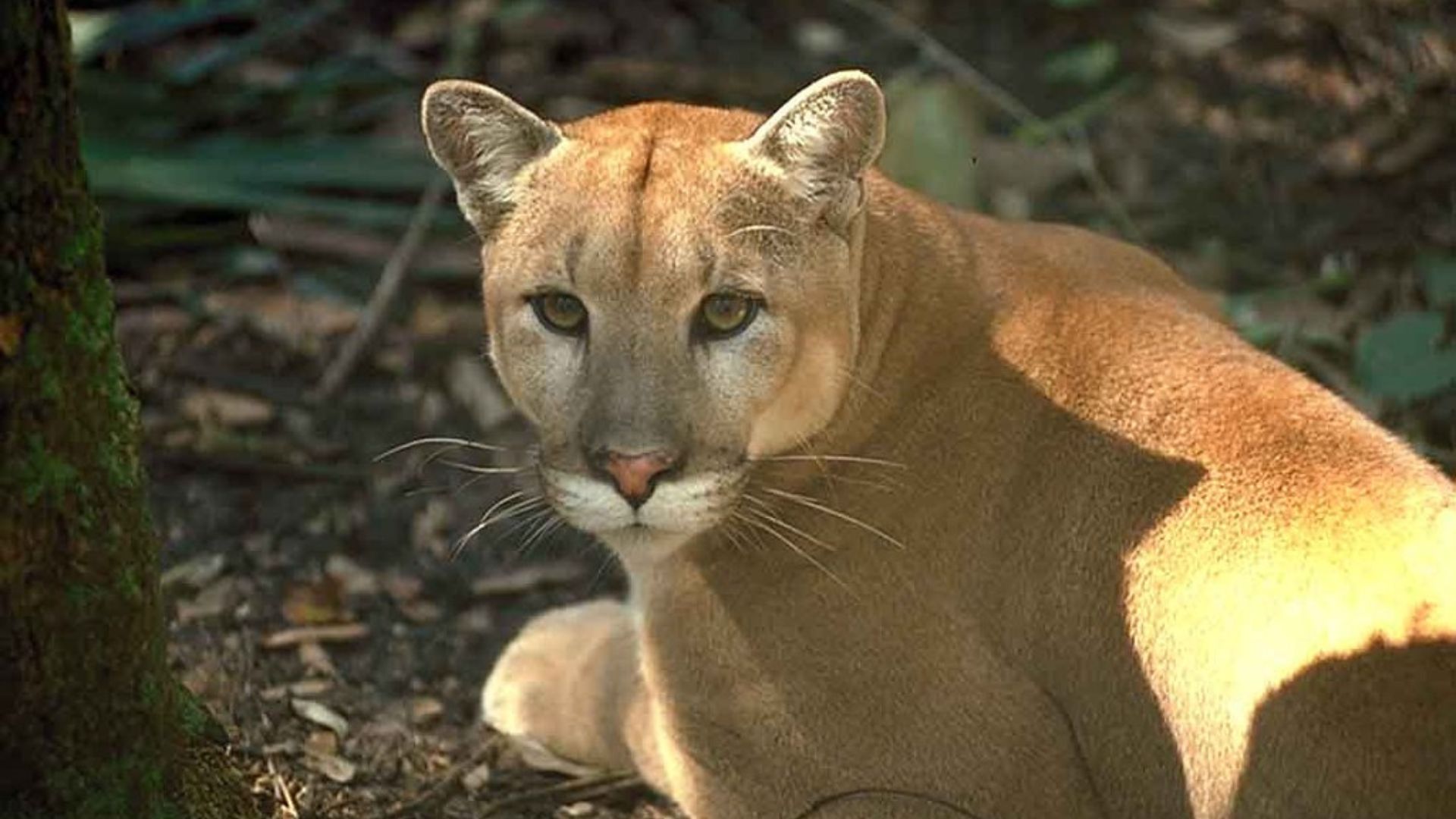
The Florida Panther is one of North America’s most misunderstood large carnivores. Its rarity, elusive behavior, and conservation history have led to persistent myths—ranging from exaggerated danger to incorrect assumptions about its biology and evolution. Many of these misconceptions originate from folklore, misidentification, or outdated scientific understanding.
Modern research, including long-term monitoring by the U.S. Fish and Wildlife Service and the Florida Fish and Wildlife Conservation Commission, has clarified these misunderstandings through GPS telemetry, genetic analyses, and long-term field observations. These datasets provide quantifiable insights into movement patterns, prey selection, and population dynamics.
Debunking these myths is scientifically important because misinformation can distort public perception and undermine conservation decisions. The following sections examine nine widely repeated myths and present the biological evidence that corrects them.
1. Myth: Black Florida Panthers Exist
One of the most persistent myths is the existence of black (melanistic) Florida panthers. Scientifically, there are no confirmed or documented cases of melanistic cougars (Puma concolor) anywhere in their global range.
Melanism results from specific genetic mutations affecting pigment production. While this trait occurs in species such as leopards and jaguars, it has never been genetically or morphologically verified in cougars despite extensive sampling, museum records, and decades of camera-trap monitoring.
In Florida, thousands of trail camera images and field observations have been analyzed, yet no melanistic individual has ever been recorded. Most “black panther” sightings are attributable to misidentification under low-light conditions, where shadows can obscure typical tawny coloration.
The absence of both photographic and genetic evidence across a well-studied species strongly supports the conclusion that black Florida panthers do not exist.
2. Myth: Florida Panthers Are a Separate Species
Florida panthers are not a separate species but a subspecies of the cougar (Puma concolor), classified as Puma concolor coryi.
Genomic studies show that Florida panthers share over 99% genetic similarity with other North American cougar populations. Differences are primarily due to geographic isolation and historical population bottlenecks rather than speciation.
This classification has direct conservation implications. Because they belong to the same species, interbreeding with other cougar populations is biologically viable and has been used as a management strategy to restore genetic diversity.
Misclassifying them as a separate species obscures their evolutionary context and can lead to misunderstandings about conservation strategies. Scientifically, they represent a regional population within a widespread carnivore lineage.
3. Myth: Florida Panthers Are “Pure” Native Cats
The idea that Florida panthers are genetically “pure” is incorrect. By the early 1990s, the population had declined to approximately 20–30 individuals, exhibiting clear signs of inbreeding depression, including skeletal abnormalities and reduced reproductive success.
In 1995, wildlife managers introduced eight female Texas cougars (Puma concolor stanleyana) to increase genetic diversity. This intervention increased heterozygosity, improved survival rates, and reduced the frequency of inherited defects.
Modern genetic analyses show that nearly all living Florida panthers carry some level of Texas cougar ancestry, typically estimated at 15–25% genetic contribution.
From a conservation biology perspective, genetic mixing was essential. The concept of “purity” is not a scientific objective; maintaining genetic diversity is critical for long-term population viability.
4. Myth: They Only Live in the Everglades
Although commonly associated with the Everglades, Florida panthers occupy a broader range of habitats across South Florida. Core populations are concentrated in regions such as Big Cypress and surrounding landscapes, but their habitat use includes pinelands, hardwood hammocks, wetlands, prairies, and pasture edges.
Telemetry data show that males, which can maintain territories exceeding 500 km², frequently disperse beyond core breeding areas. Confirmed movements have documented individuals traveling into central and northern Florida.
This wide-ranging behavior reflects ecological flexibility. Panthers require sufficient prey density and cover rather than a single habitat type.
Restricting their perceived range to the Everglades oversimplifies their ecological needs and underestimates the importance of landscape connectivity for conservation.
5. Myth: Florida Panthers Are Dangerous to Humans
Despite their size, Florida panthers pose extremely low risk to humans, with no verified fatal or documented attacks in modern Florida records.
Behavioral studies show strong avoidance of human activity. GPS-collared individuals consistently reduce movement near roads, settlements, and frequently used areas. In regions with higher human presence, activity shifts toward nocturnal periods.
From a biological standpoint, panthers specialize in hunting medium-sized ungulates such as deer and feral hogs. Humans do not match this prey profile, and no evidence of predatory targeting exists.
This consistent absence of attacks, combined with avoidance behavior, demonstrates that Florida panthers are not dangerous to humans under normal conditions.
6. Myth: They Only Eat Deer
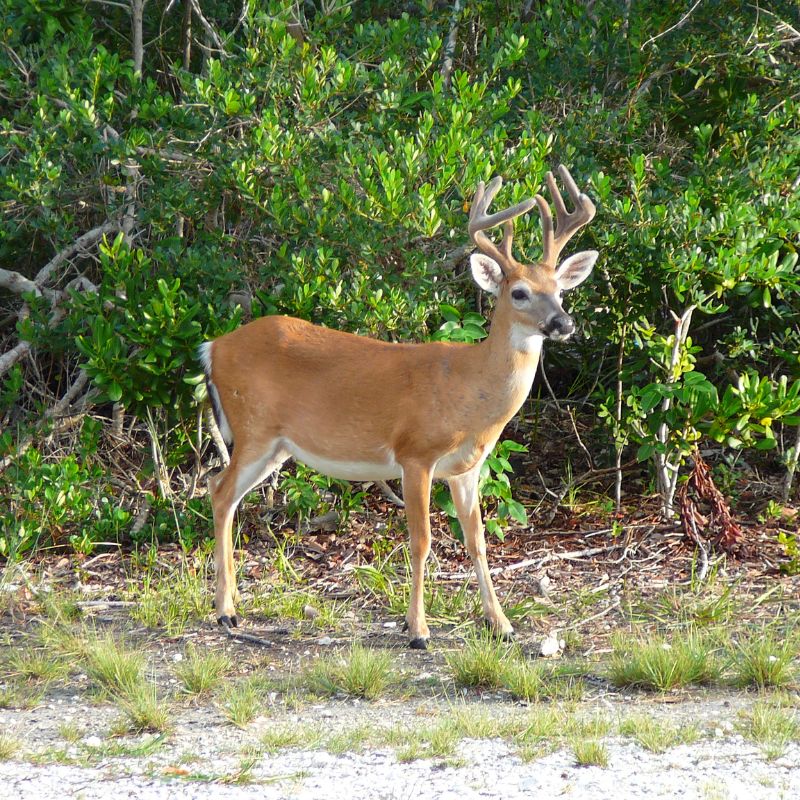
White-tailed deer are a major component of the Florida panther’s diet, but they are opportunistic carnivores with measurable dietary diversity.
Kill-site and scat analyses indicate that deer account for approximately 50–70% of prey biomass, while feral hogs contribute 15–30%, with the remainder consisting of smaller mammals such as raccoons, armadillos, and rabbits.
This dietary flexibility reflects adaptive foraging. Panthers adjust prey selection based on availability, habitat conditions, and energy efficiency. Smaller prey may be taken when large prey is scarce, although larger prey provide higher caloric returns per kill.
The myth of strict deer dependence overlooks this ecological adaptability and misrepresents the panther’s role as a generalist predator.
7. Myth: They Are Large, Aggressive “Big Cats”
Florida panthers are often compared to large, aggressive felids such as lions, but this comparison is inaccurate. Adult males typically weigh 45–72 kg (100–160 lb), while females are smaller, placing them well below the size of lions or tigers.
Behaviorally, panthers are solitary and rely on ambush predation. They avoid unnecessary conflict because injury can compromise survival. Aggression is generally limited to territorial disputes between individuals.
Unlike social big cats, panthers do not form groups or engage in coordinated hunting. Their ecological strategy emphasizes stealth, energy efficiency, and risk avoidance.
This myth arises from conflating all large cats, but Florida panthers are relatively small, elusive, and behaviorally cautious predators.
8. Myth: Their Population Is Limited Only by Forest Size
Florida panther populations are not limited solely by forest area. Research shows they depend on a mosaic of habitats, including wetlands, grasslands, and agricultural landscapes.
Telemetry studies indicate that panthers use multiple habitat types, often moving between forest cover and open areas during nocturnal activity. Habitat connectivity—rather than forest extent alone—is a critical factor for dispersal and gene flow.
Additional limiting factors include road mortality, prey availability, and habitat fragmentation. For example, vehicle collisions account for a significant proportion of annual deaths, demonstrating that infrastructure can be as limiting as habitat availability.
This myth oversimplifies population dynamics and overlooks the importance of maintaining connected, multi-habitat landscapes.
9. Myth: Florida Panthers Are Gone from the Wild
Florida panthers were once close to extinction, with populations reduced to 20–30 individuals in the 1970s. However, conservation efforts have increased numbers to an estimated 120–230 adults today.
This recovery is the result of habitat protection, genetic restoration, and long-term monitoring programs led by federal and state agencies. Despite this progress, the species remains endangered, and population growth is constrained by habitat loss and road mortality.
The belief that panthers are extinct in the wild is outdated. Ongoing monitoring, including camera traps and telemetry, confirms their continued presence across South Florida.
While recovery has been significant, long-term persistence depends on continued management and habitat connectivity.
Key Takeaways
• No melanistic (black) Florida panthers exist; sightings are misidentifications.
• Florida panthers are a subspecies of cougar, not a separate species.
• Genetic rescue in 1995 introduced Texas cougars, improving population health and diversity.
• Panthers occupy a wide range of habitats beyond the Everglades.
• There are zero verified attacks on humans; panthers actively avoid people.
• Their diet is diverse, with deer comprising 50–70% and other prey contributing significantly.