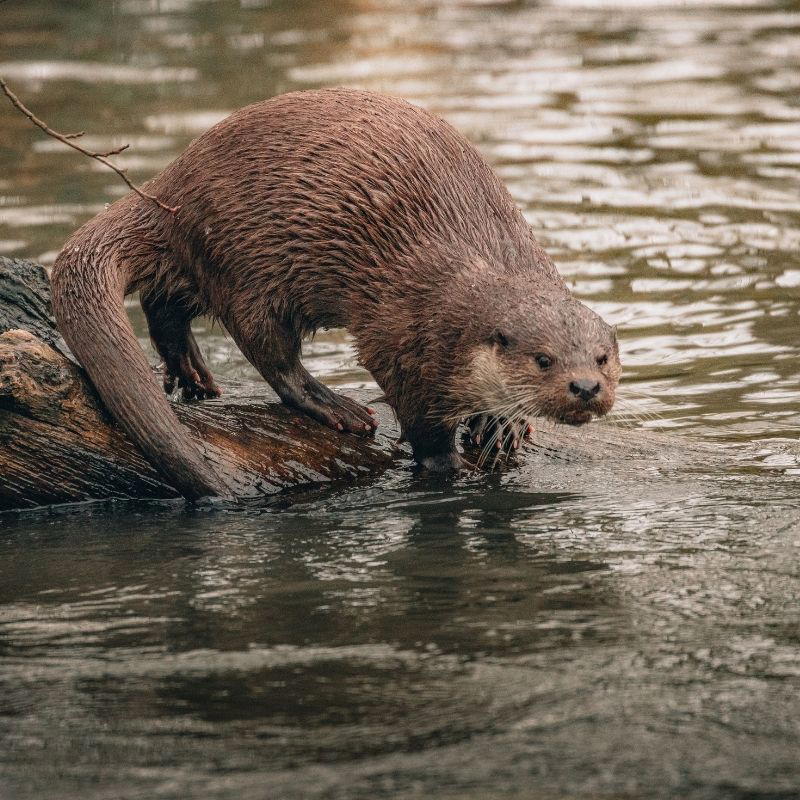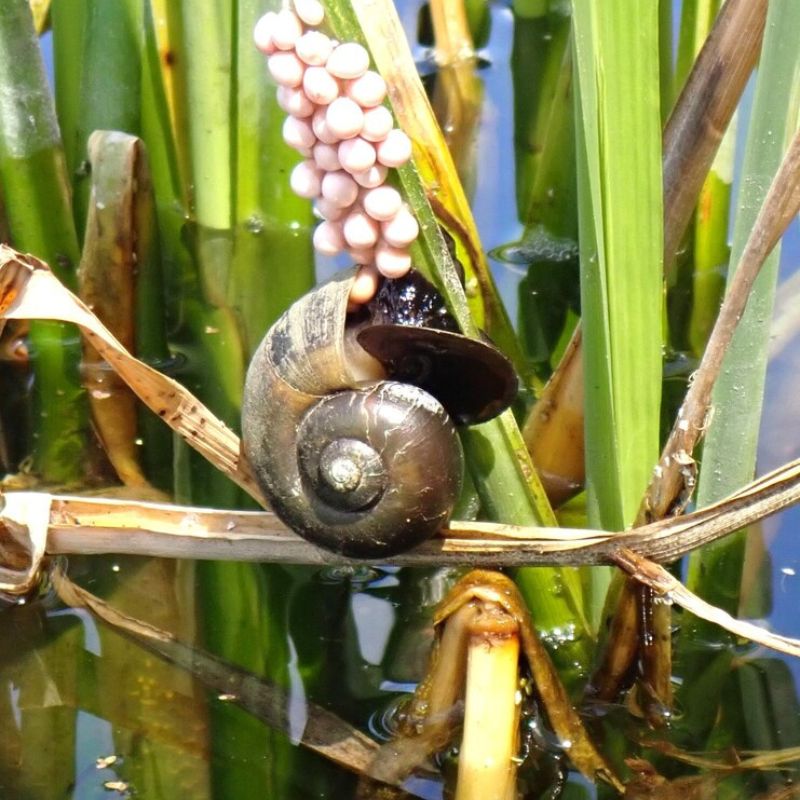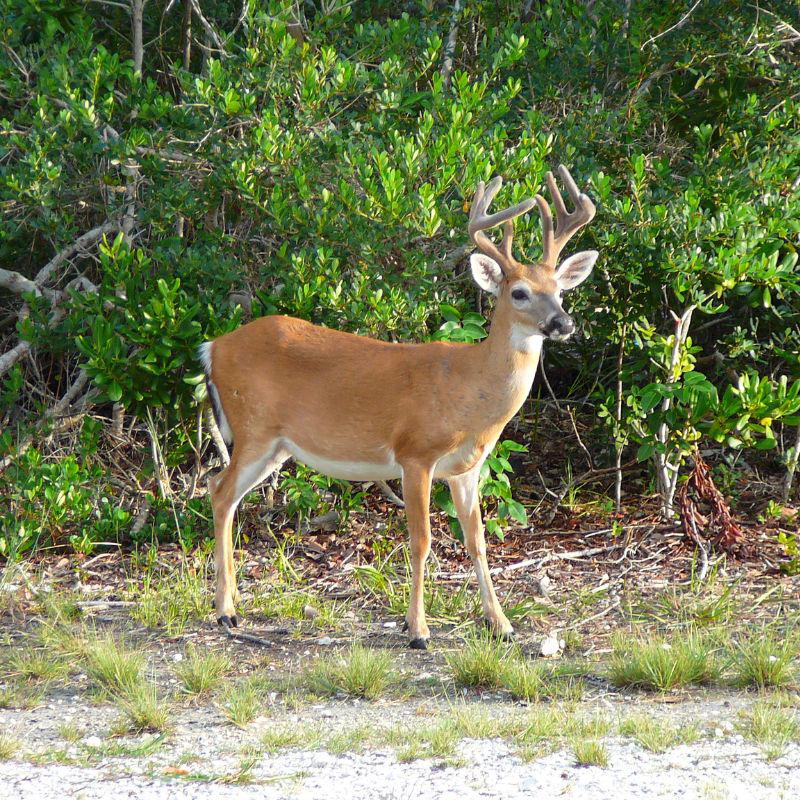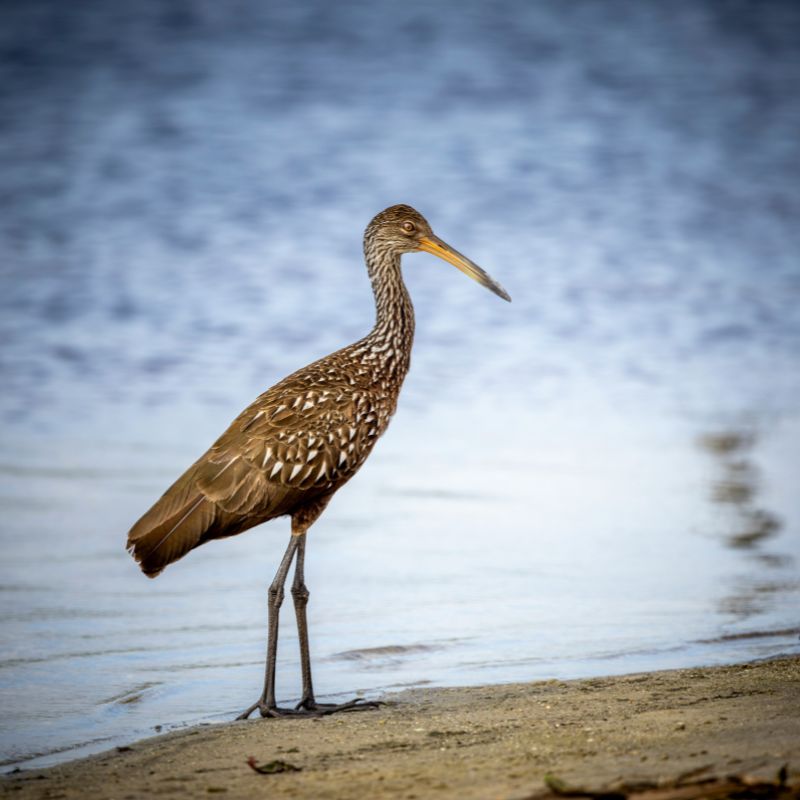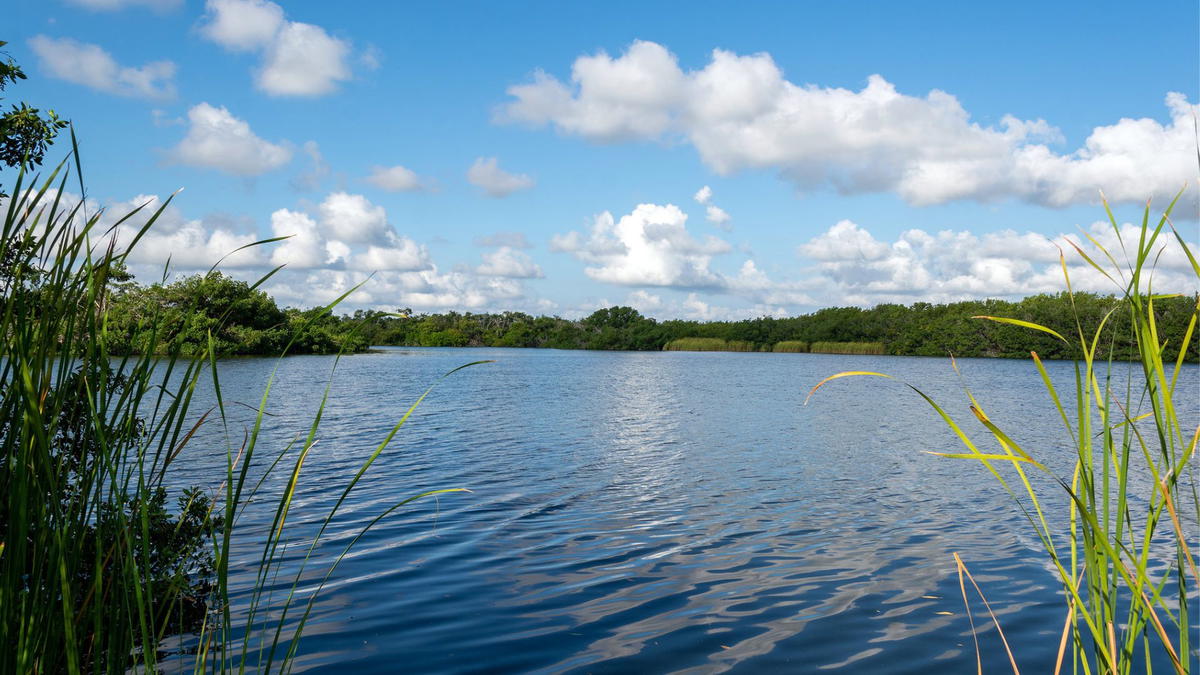
Florida is a place where the same county can hold Caribbean coral reefs, longleaf pine sandhill, and cypress swamp within an hour’s drive of each other.
That geographical compression — a consequence of latitude, geology, and a topography so flat that a few metres of elevation determines whether you are standing in scrub or swamp — is the direct cause of Florida’s biological richness. The peninsula sits at the junction of two biogeographic realms. North Florida is the American South: pine flatwoods, blackwater rivers, wiregrass. South Florida is something else entirely — closer in character to the Caribbean than to Georgia, a landscape of mangrove labyrinths, tropical hardwood hammocks, and seagrass meadows that shelter animals found nowhere else in the continental United States.
The numbers reflect this. Roughly 900 freshwater and land vertebrate species. 490 native bird species. More than 4,000 flowering plants, 170 of them endemic — found nowhere on Earth except here (Florida Natural Areas Inventory, 2022; Fish & Wildlife Foundation of Florida).
It is also a state under sustained pressure. With a human population exceeding 22 million, Florida has lost more than half of its original natural habitats to development, drainage, and agricultural conversion. Against this backdrop, 117 animal species are formally listed as threatened or endangered under state law — with the true number of species in decline considerably higher.
Florida is not merely a coastal state with good birdwatching. It is a biological crossroads.
This guide is the gateway to NativesOfNature’s complete Florida wildlife coverage. Each section introduces a major habitat cluster, its defining wildlife, and the ecological and conservation context that makes it significant. The dedicated hub pages linked throughout provide the depth each ecosystem deserves.
| 📊 Florida Wildlife by the Numbers Native bird species: 490 (Fish & Wildlife Foundation of Florida) Native mammal species: approximately 100 Native reptile and amphibian species: approximately 150 Total freshwater and land vertebrate species: ~900 (FNAI, 2022)State-listed threatened/endangered animals: 117 (FWC) Endemic plant species: 170+ found nowhere else on Earth Florida is the only U.S. state where American alligators and American crocodiles coexist in the wild Florida coastline: 1,350 miles — third longest of any U.S. state |
A Peninsula at the Junction of Two Worlds
Most states have one dominant ecological character. Florida has at least six, stacked across barely three degrees of latitude.
The state occupies a transition zone between the Nearctic and Neotropical biogeographic realms — the boundary between temperate North America and the Caribbean tropics. The result is a landscape of ecological overlap so dense that naturalists from both traditions have spent careers trying to make sense of it.
In the north, the Suwannee River drainage feels like Mississippi. In the south, Florida Bay feels like the Bahamas. The American crocodile (Crocodylus acutus) and the white-crowned pigeon (Patagioenas leucocephala) reach the northern limit of their global ranges in the Keys and southern Everglades. The snowy plover and the bald eagle share the same Gulf coastline. There is no ecological equivalent to this compression anywhere in the continental United States.
| “Florida’s interior ridge systems were genuine islands during the Pleistocene. The species that evolved there in isolation are still with us today.” |
The state’s geological history amplifies its biodiversity. During Pleistocene glacial maxima, Florida’s interior ridge systems — the Lake Wales Ridge, the Ocala Uplands — stood above the surrounding lowlands as biological islands, their populations isolated for long enough that evolution took hold. The Florida scrub jay, Florida mouse, sand skink, and dozens of endemic plants are the living products of that island history. They do not exist anywhere else on Earth because they evolved on these specific ridges, in this specific landscape.
The peninsula effect: Biogeographers recognise a “peninsula effect” in Florida — species diversity declines toward the tip of the peninsula as the narrowing corridor progressively filters out species that cannot sustain viable populations on the available habitat. This effect is most visible in small mammals and non-migratory birds, and explains why central Florida — not the Keys — supports the highest number of species in most animal groups.
| FLORIDA ECOSYSTEMS Six Distinct Habitat Systems, Each with Its Own Wildlife: Florida’s biodiversity cannot be understood outside the habitats that structure it. The six clusters below are the architecture of the state’s natural world. |
| Ecosystem | Key Drivers | Indicator Species | Primary Threat | NativesOfNature Hub |
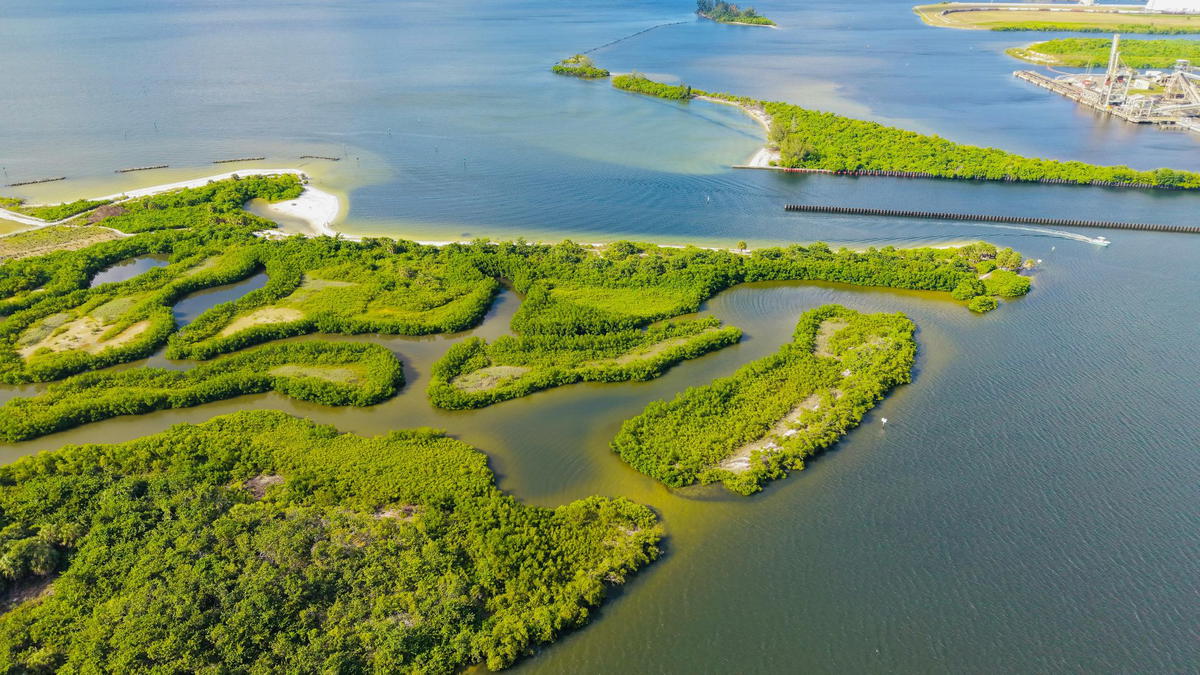
| Coastal Ecosystems | Tidal energy, salinity, sea-level | West Indian manatee, roseate spoonbill, loggerhead sea turtle | Sea-level rise, nutrient pollution | Florida Coastal Ecosystems Hub |
| Springs & Rivers | Floridan Aquifer, groundwater flow | Manatee, limpkin, Florida apple snail, freshwater mussels | Groundwater withdrawal, nitrate | Florida Springs & Rivers Hub |
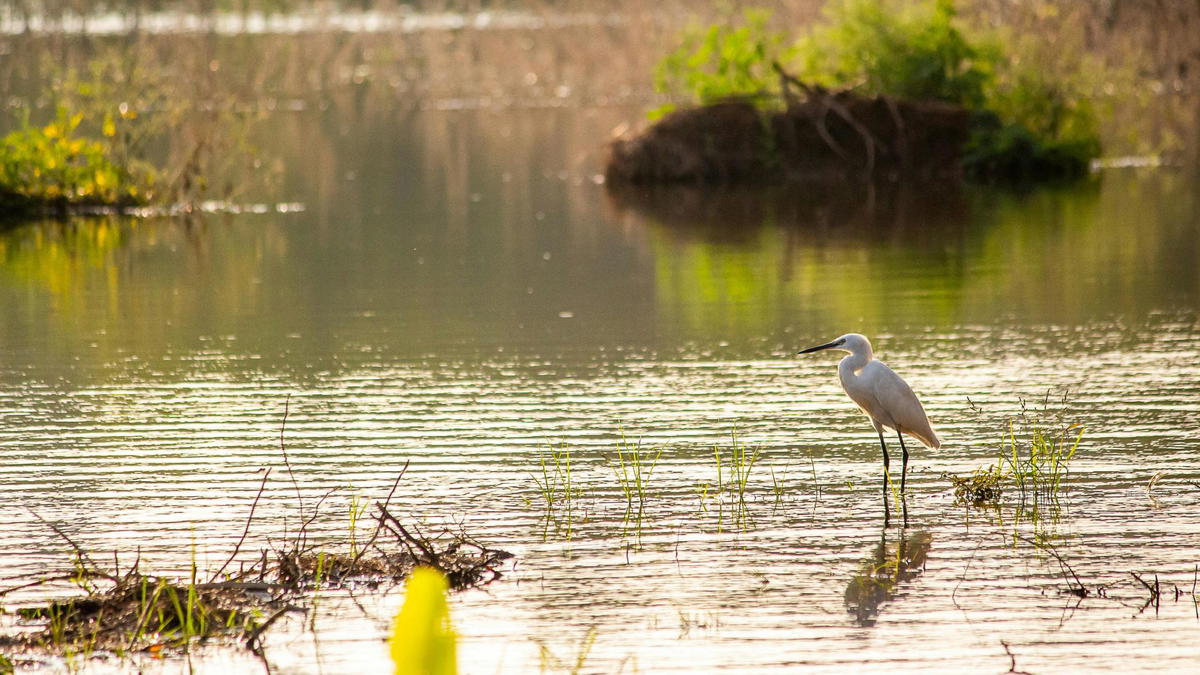
| Freshwater Wetlands | Hydrology, rainfall seasonality | American alligator, snail kite, wood stork, sandhill crane | Drainage, water diversion | Florida Wetlands Hub |
| The Everglades | Sheet-flow hydrology, fire | Florida panther, Everglades mink, Cape Sable sparrow | Water management, sea-level rise | Florida Everglades Hub |
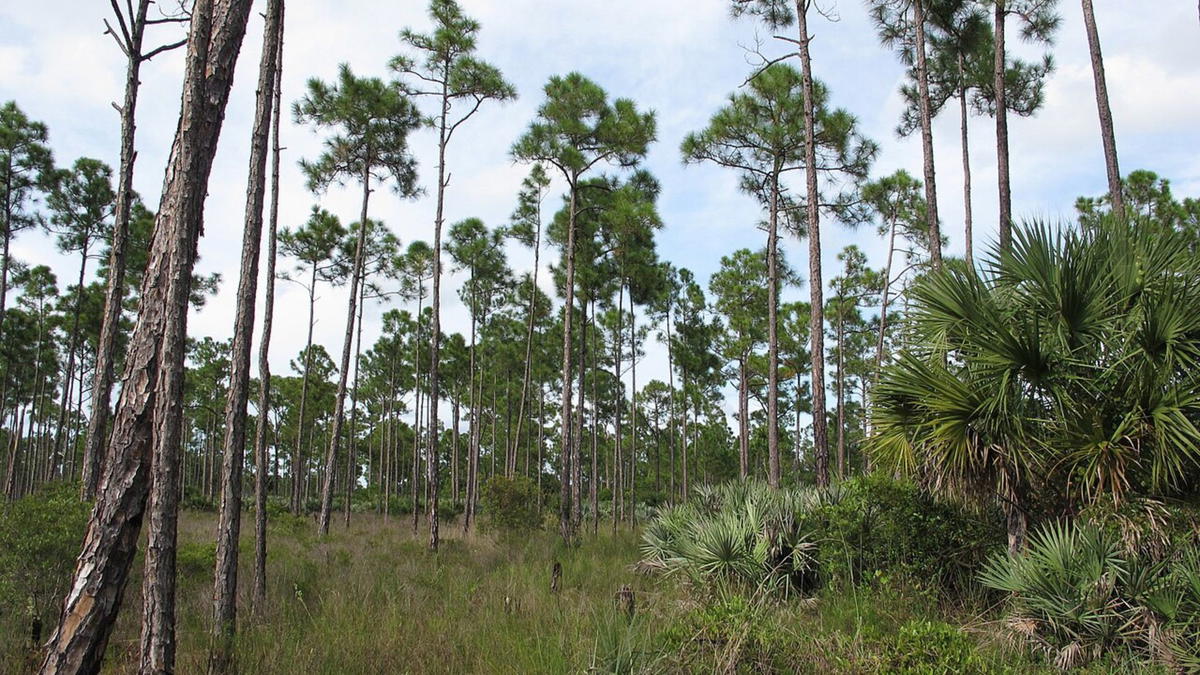
| Pine Flatwoods & Uplands | Frequent fire, infertile sandy soils | Gopher tortoise, Florida scrub jay, red-cockaded woodpecker | Fire suppression, development | Florida Uplands & Pine Flatwoods Hub |
| Hardwood Hammocks & Forests | Canopy closure, frost avoidance | Fox squirrel, migratory warblers, barred owl | Fire suppression, invasives | Part of Uplands Hub |
| Explore the Florida ecosystem hubs:→ Florida Coastal Ecosystems — mangroves, estuaries, seagrass, reefs→ Florida Springs & Rivers — Floridan Aquifer, spring runs, blackwater rivers→ Florida Wetlands — freshwater marshes, cypress swamps, wet prairies→ Florida Everglades — the River of Grass, panther, snail kite, wading birds→ Florida Uplands & Pine Flatwoods — scrub, sandhill, longleaf pine, fire ecology |
| FLORIDA MAMMALS Panthers, Bears, and the Sea Cow: Approximately 100 native mammal species — including some of North America’s most intensively managed endangered animals. |
The Florida panther should not be alive today. Fewer than 30 animals remained when the recovery programme began in earnest in the late 1970s. The population was severely inbred. Sperm abnormalities and kinked tails — markers of inbreeding depression — were appearing in virtually every animal assessed. Biologists gave the subspecies a decade, perhaps two.
In 1995, eight female Texas pumas were introduced to the south Florida population. It was a genetic rescue — and it worked.
Today, approximately 120–230 Florida panthers (Puma concolor coryi) occupy a range centred on Big Cypress Swamp and the adjacent private ranch lands of Hendry, Collier, and Lee Counties (FWC, 2023). The population is still small, still fragmented, and still losing individuals to road mortality on south Florida’s highway network. But it exists — and the science that saved it has become a template for genetic rescue programmes worldwide.
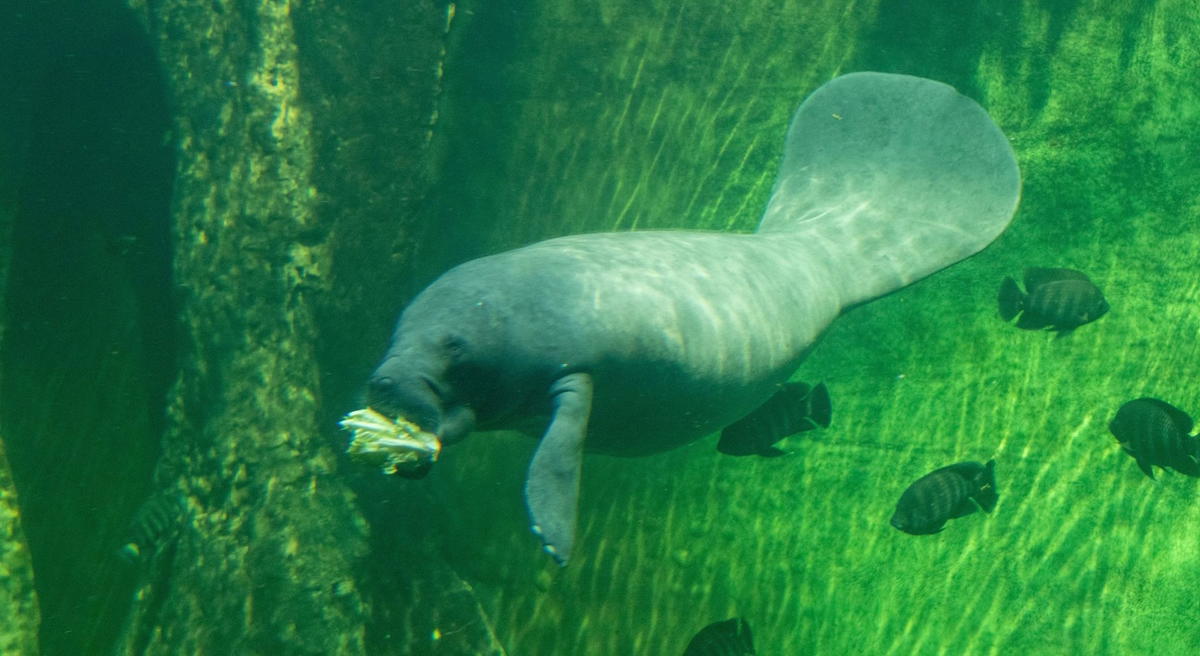
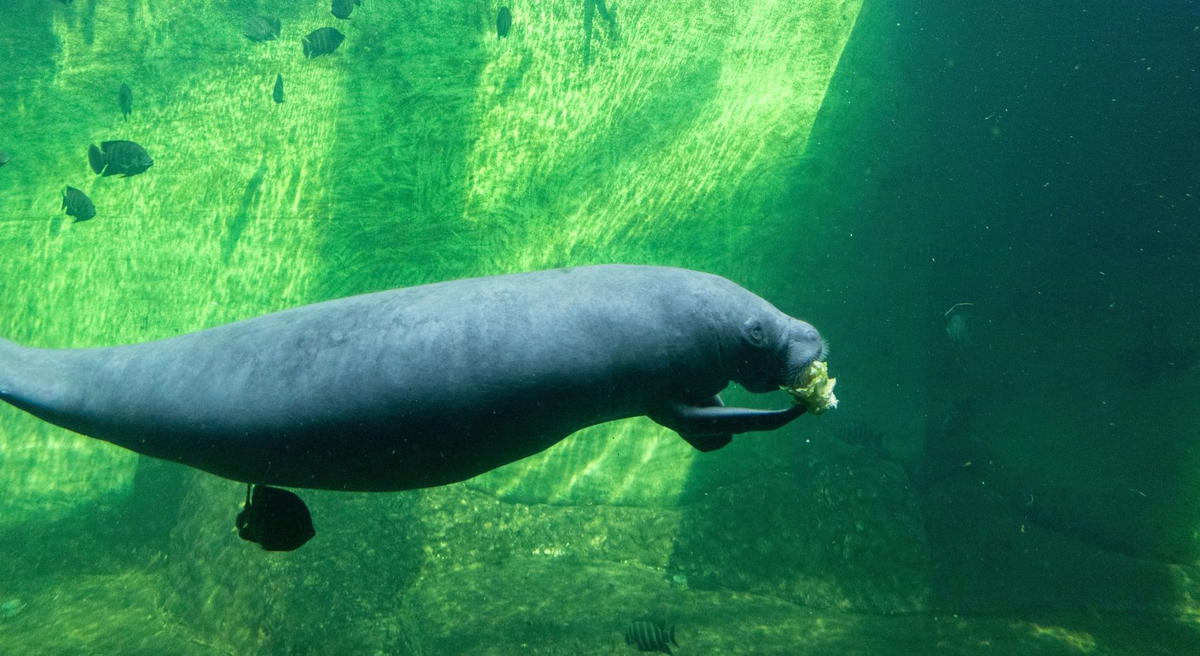
The West Indian manatee (Trichechus manatus latirostris) tells a parallel story. Its dependency on the 68–72°F discharge of Florida’s spring systems for winter thermal refuge connects it to aquifer health as directly as to water quality. The Florida black bear (Ursus americanus floridanus) has recovered from approximately 300 individuals in the 1970s to an estimated 4,000 animals today — occupying a fragmented range from the Panhandle to the Everglades, its seven core subpopulations separated by highways and development corridors that each individual bear must somehow navigate.
| 🦁Florida Panther (Puma concolor coryi) IUCN: Endangered (EN) | • Population: ~120–230 adults confined to south Florida (FWC, 2023)• Adult males maintain territories exceeding 200 square miles• Primary prey: white-tailed deer and feral hog• Road mortality is the single largest cause of non-natural death• Wildlife crossings under Alligator Alley (I-75) have measurably reduced road kills• 1995 Texas puma genetic rescue reversed inbreeding-driven reproductive failure |
| 🐻Florida Black Bear (Ursus americanus floridanus) IUCN: Least Concern (LC) — state populations recovering | • Population recovered from ~300 (1970s) to ~4,000 animals (FWC)• State’s largest native land mammal — males up to 400+ lbs• Seven core subpopulations: Apalachicola, Osceola, Ocala, St. Johns, Big Cypress, Highlands/Glades, Chassahowitzka• Omnivorous: 80%+ of diet is plant material — berries, saw palmetto fruit, acorns• Vehicle collision is a leading mortality cause; wildlife corridors are critical• State-threatened until 2012 when population recovery led to delisting |
| FLORIDA BIRDS 490 Species. One Peninsula. Year-round residents, Caribbean endemics, Arctic winter visitors, and neotropical migrants — all sharing the same 1,350 miles of coastline. |
Stand at the edge of the Anhinga Trail in Everglades National Park on a clear January morning. Roseate spoonbills work the shallow water less than twenty metres away. A great blue heron stands absolutely still in the sawgrass. An anhinga holds its wings open to dry — a bird so ancient that its design has barely changed in millions of years. A snail kite circles slowly overhead, the curve of its bill designed for a single purpose: extracting the Florida apple snail from its shell.
This is what 490 bird species looks like when the habitat is right and the season is right.
Florida’s avian diversity reflects its position at the biogeographic crossroads. The state hosts year-round residents like the Florida scrub jay — found nowhere else on Earth — alongside winter visitors from the Canadian tundra, breeding neotropical migrants from Central and South America, and a suite of wading birds whose feeding aggregations in the Everglades dry season represent one of the great wildlife spectacles of the Western Hemisphere.
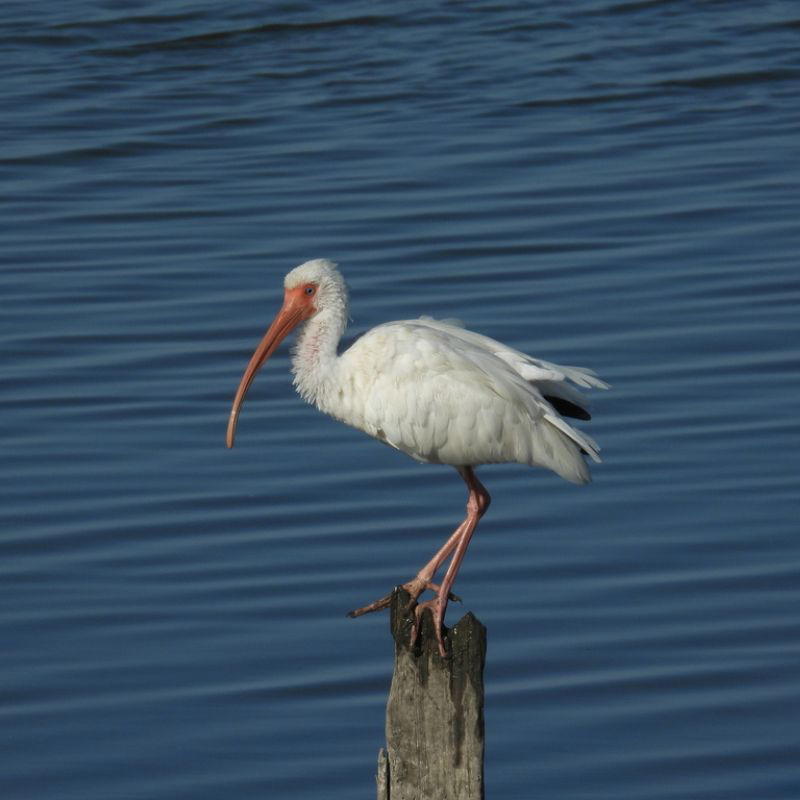
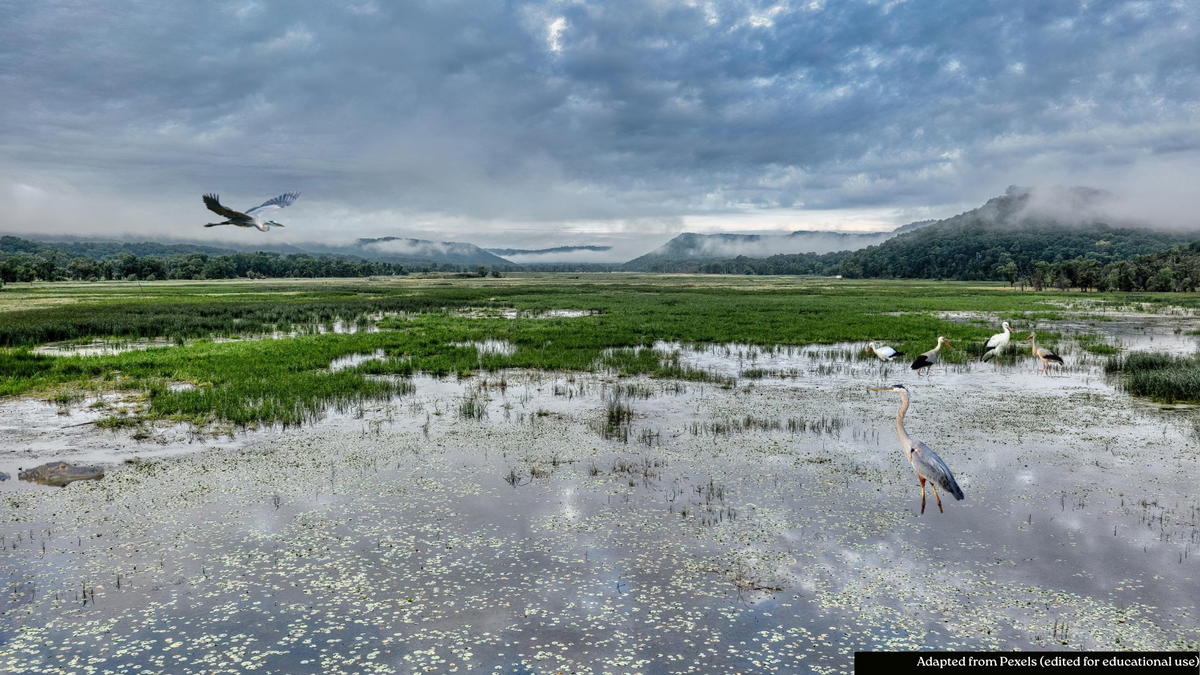
The concentration of wading birds that defines Florida’s wetlands — great blue heron, great egret, tricoloured heron, roseate spoonbill, wood stork, white ibis — declined precipitously under nineteenth-century plume hunting, recovered partially through twentieth-century protection, and now faces new pressures from water management changes that disrupt the timing of prey concentrations in the Everglades. Breeding populations of some species remain at fractions of their historical levels. The wood stork (Mycteria americana), a federally Threatened species, is considered a sensitive indicator of Everglades restoration progress — its nesting success rises and falls with water management decisions made hundreds of miles upstream.
Florida’s Bird Diversity by Group
| Bird Group | Species in FL | Notable Examples | Best Habitats |
| Wading birds | 15+ | Roseate spoonbill, wood stork, limpkin, white ibis | Freshwater marshes, mangrove edges, estuaries |
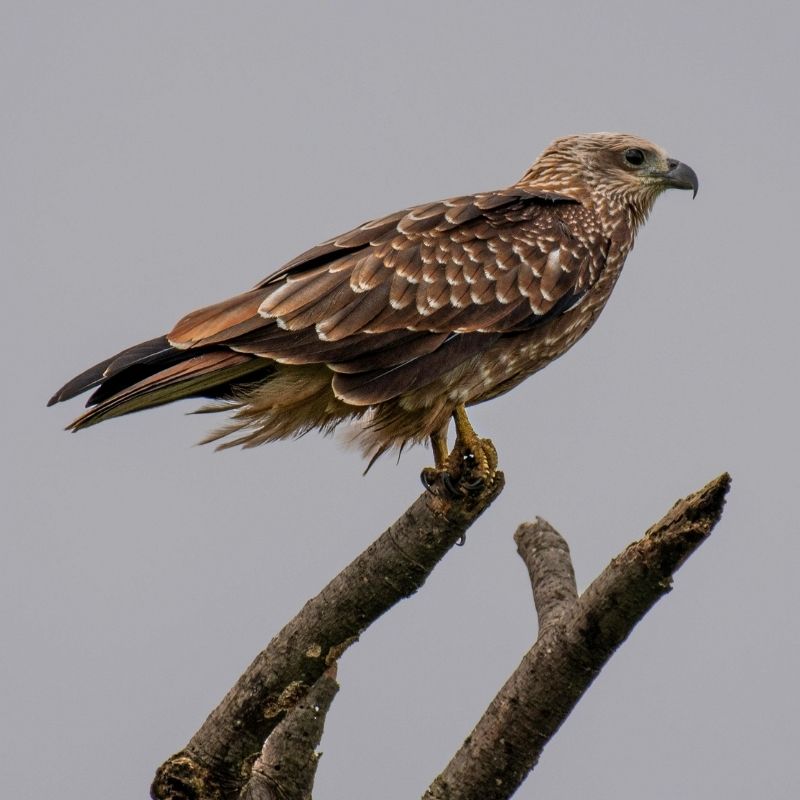
| Raptors | 30+ | Snail kite, swallow-tailed kite, bald eagle, osprey | Open wetlands, longleaf pine, river corridors |
| Shorebirds | 50+ | Piping plover, red knot, American oystercatcher | Gulf beaches, estuarine mudflats, salt marshes |
| Songbirds | 200+ | Florida scrub jay, Bachman’s sparrow, painted bunting | Pine flatwoods, scrub, coastal scrub, hammocks |
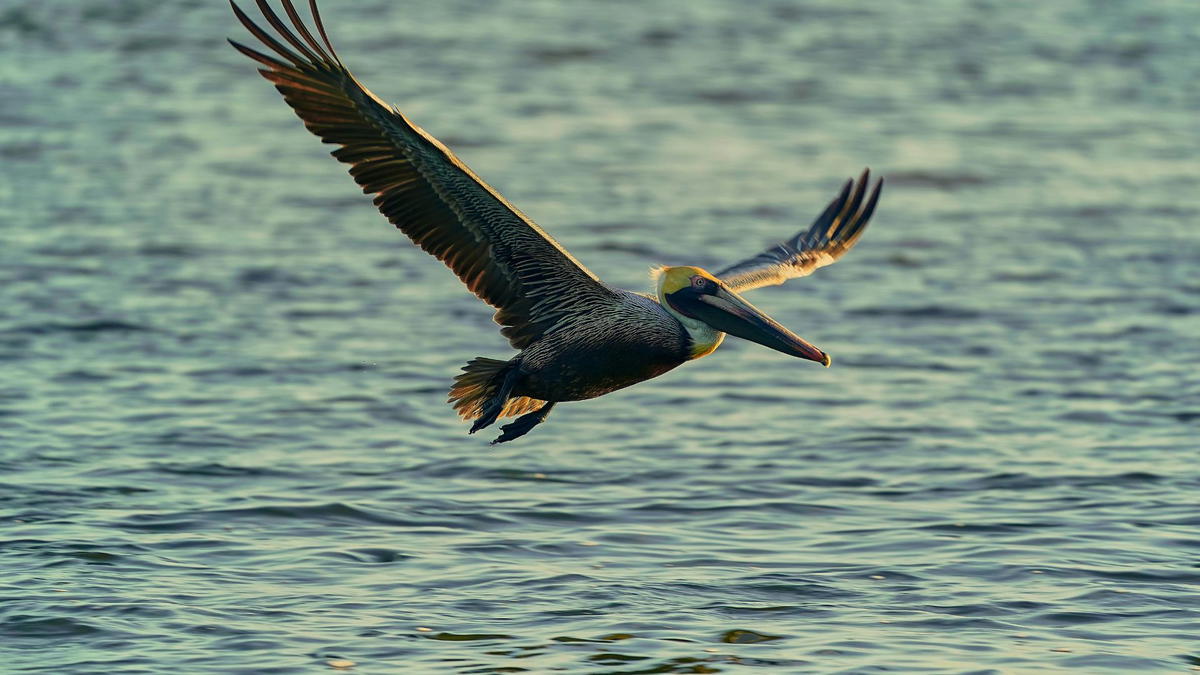
| Seabirds | 40+ | Brown pelican, magnificent frigatebird, royal tern | Coastal waters, barrier islands, offshore |
| Waterfowl | 50+ | Mottled duck, fulvous whistling-duck, lesser scaup | Freshwater lakes, coastal impoundments, wetlands |
| Woodpeckers | 10 | Red-cockaded woodpecker, pileated woodpecker | Longleaf pine, mature hardwood hammock |
| FLORIDA REPTILES & AMPHIBIANS Ancient Engineers and a Growing Invasion: The most diverse herpetofauna of any U.S. state east of the Mississippi — and a reptile invasion crisis with no clear endpoint. |
Florida’s reptile story has two registers. One is ancient and ecological. The other is urgent and modern.
The American alligator (Alligator mississippiensis) is the defining reptile of Florida’s freshwater systems — an apex predator, an ecosystem engineer, and the conservation story that arguably launched the modern American wildlife protection movement. Listed as Endangered in 1967, delisted after recovery: approximately 1.3 million alligators now occupy virtually every freshwater habitat in the state (FWC). Florida is also the only place in the U.S. where the alligator and the American crocodile (Crocodylus acutus) coexist in the wild.
The gopher tortoise (Gopherus polyphemus) is the silent keystone of Florida’s uplands. Its burrows — averaging 4.5 metres long and 2 metres deep — are used by over 360 commensal species for shelter, nesting, and thermal refuge. Remove the gopher tortoise and you do not simply lose a tortoise. You remove the structural foundation of the entire sandhill and pine flatwood community.
| “The gopher tortoise is not just one species among many. It is infrastructure.” |
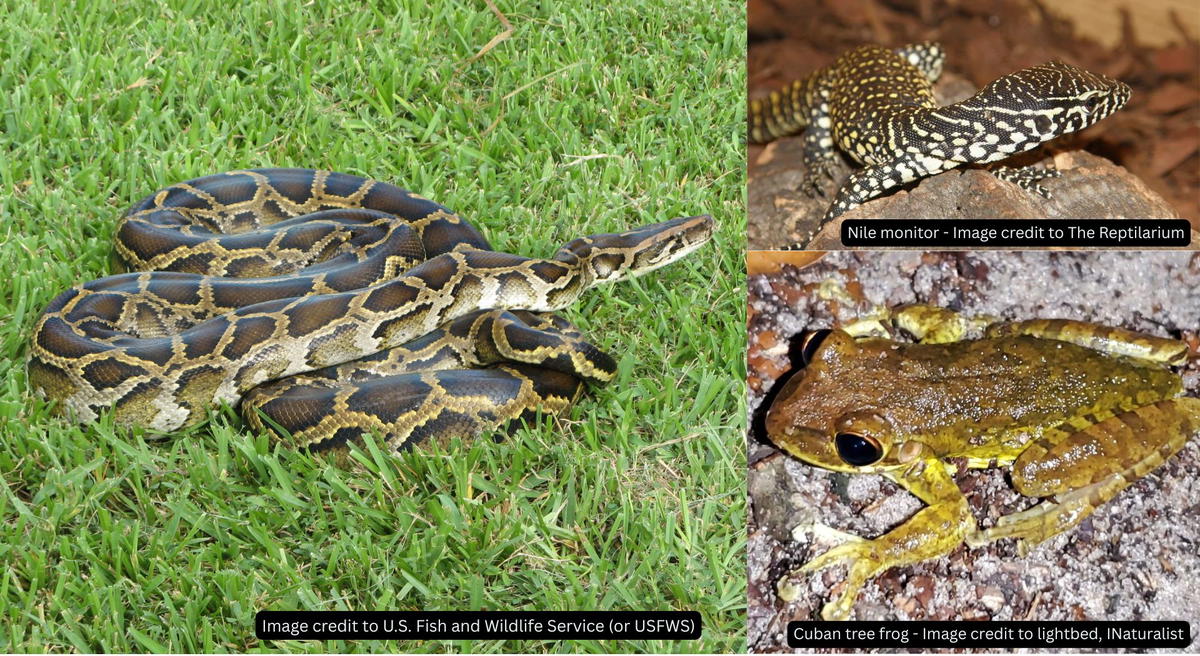
The modern register is darker. The Burmese python (Python bivittatus), established in the Everglades since the late 1980s, has caused documented declines of 75–99% in medium-sized mammal populations within its range — raccoons, opossums, marsh rabbits, bobcats — in what is now one of the most thoroughly documented invasive predator impacts in ecological science (Dorcas et al., 2012). The Florida Fish and Wildlife Conservation Commission has removed over 21,000 pythons as of 2024. Population modelling suggests this represents a fraction of the total.
| ⚠️ Conservation Alert: Miami-Dade County surveys (2017 and 2022) found non-native reptile richness rising 19% and abundance rising 33% over five years.Burmese pythons have caused documented 75–99% declines in medium-sized mammal populations within their Everglades range (Dorcas et al., 2012). Florida has 64 established non-native reptile species — more than any other region outside their native ranges. Argentine tegus are expanding from South Florida northward, predating on ground-nesting birds, small mammals, and sea turtle nests. |
| 🐊American Alligator (Alligator mississippiensis) IUCN: Least Concern (LC) — ESA recovery success | • Florida population: estimated 1.3 million (FWC)• Excavates “gator holes” — critical dry-season water refugia for dozens of species• Only U.S. state where alligators and American crocodiles coexist• Endangered in 1967; delisted after recovery — a landmark ESA success story• Adults may live 35–50 years; females guard nests and hatchlings intensively• Bite force: ~2,980 psi — among the highest recorded for any living animal |
| 🐢Gopher Tortoise (Gopherus polyphemus) IUCN: Vulnerable (VU) | • Burrows used by 360+ commensal species — keystone engineer of Florida’s uplands• Florida population: ~700,000 (Gopher Tortoise Council, 2022) — and declining• Burrow average: 4.5 m long, 2 m deep; stable 65–70°F year-round• Herbivorous; diet of grasses, legumes, and gopher apple drives seed dispersal• Requires open, fire-maintained sandy upland — fire suppression is primary threat• Lifespan: 40–60+ years; slow reproduction makes population recovery difficult |
| CONSERVATIONFive Threats. Seven Recoveries. The most consequential conservation battleground in the continental United States — with both the losses and the victories to prove it. |
Florida’s conservation landscape is defined by a tension unique in its intensity: extraordinary biodiversity on one hand, extraordinary development pressure on the other. The state’s appeal — its climate, its coastline, its wildlife — is precisely what drives the population growth that threatens the natural systems that produce that appeal.
The Five Primary Threats
Habitat loss and fragmentation remain the dominant driver. Florida has lost over half of its original wetland extent, over 85% of its dry prairie, and enormous areas of pine flatwood and sandhill to residential development, agricultural conversion, and roads that fragment the remaining landscape into patches too small for wide-ranging species.
Water management has restructured the hydrology of south Florida in ways that reverberate through every downstream ecosystem. The Everglades was drained and compartmentalised over the twentieth century; the consequences — altered wading bird breeding, seagrass loss in Florida Bay, reduced freshwater flow to coastal estuaries — are still being catalogued and reversed.
Invasive species constitute an accelerating ecological emergency. Burmese pythons and tegus in the Everglades. Cogon grass and Brazilian pepper across upland and wetland habitats. Hydrilla in freshwater systems. Lionfish on the reef. Each introduction is individually significant; together they represent a biological restructuring of the landscape without precedent in the state’s history.
Sea-level rise and climate change operate on a longer timescale but with compounding consequences. The “coastal squeeze” between rising water and hardened shorelines threatens to eliminate mangrove and salt marsh habitats. Ocean warming drives coral bleaching events of increasing frequency and severity on the Florida Reef Tract.
Groundwater withdrawal has reduced spring flows by 25–30% at most major systems since the mid-twentieth century — with direct consequences for the manatees, aquatic plant communities, and freshwater mussels that depend on the consistent flow and temperature of the Floridan Aquifer’s discharge.
Conservation Recoveries Worth Knowing
The story is not uniformly dark. Florida’s conservation record includes some of the most significant species recoveries in North American history.
| Species | Low Point | Current Status | Key Recovery Mechanism |
| Florida panther | ~20 adults (1970s) | ~120–230 adults (FWC, 2023) | Habitat acquisition, wildlife crossings, genetic rescue (1995) |
| American alligator | Endangered (1967) | ~1.3 million in FL (FWC) | ESA listing, harvest management, habitat protection |
| West Indian manatee | <1,300 animals (1991) | >8,800 (2020) | Speed zones, spring refugia protection, entanglement regs |
| Florida black bear | ~300 animals (1970s) | ~4,000 animals (FWC) | Habitat acquisition, corridor management, public education |
| Bald eagle | Extirpated most FL counties | All 67 FL counties | DDT ban, ESA protection, nest site protection |
| American crocodile | <300 individuals (1970s) | >2,000 in South FL | Legal protection, habitat acquisition, reduced persecution |
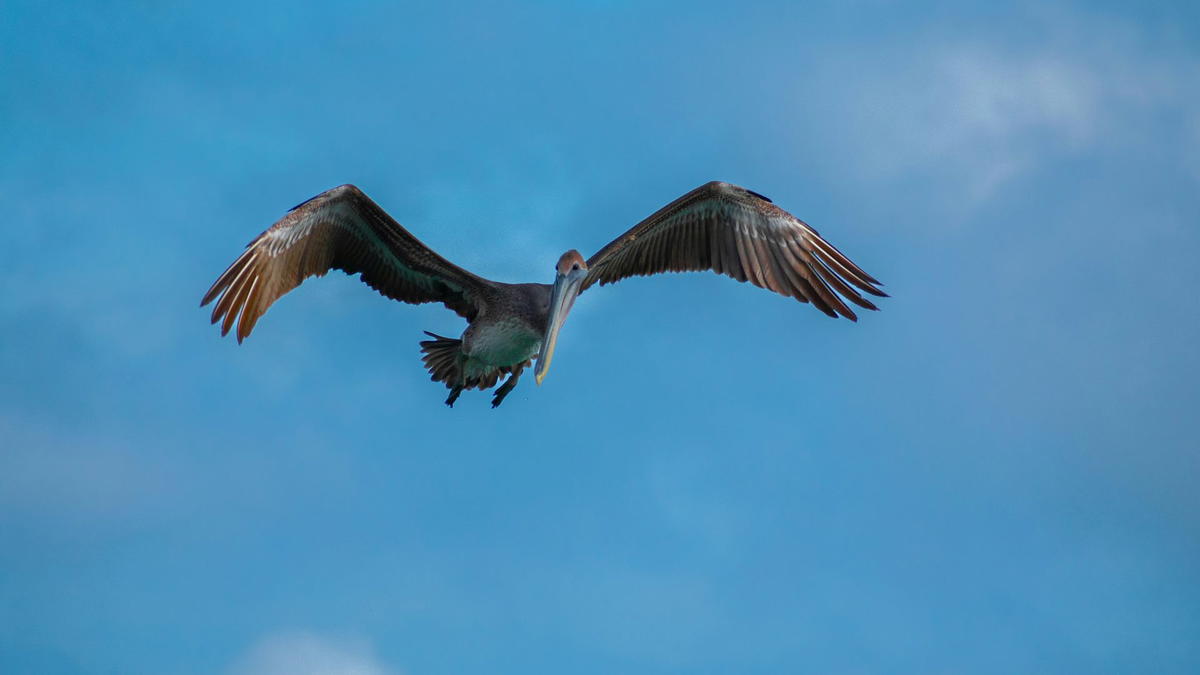
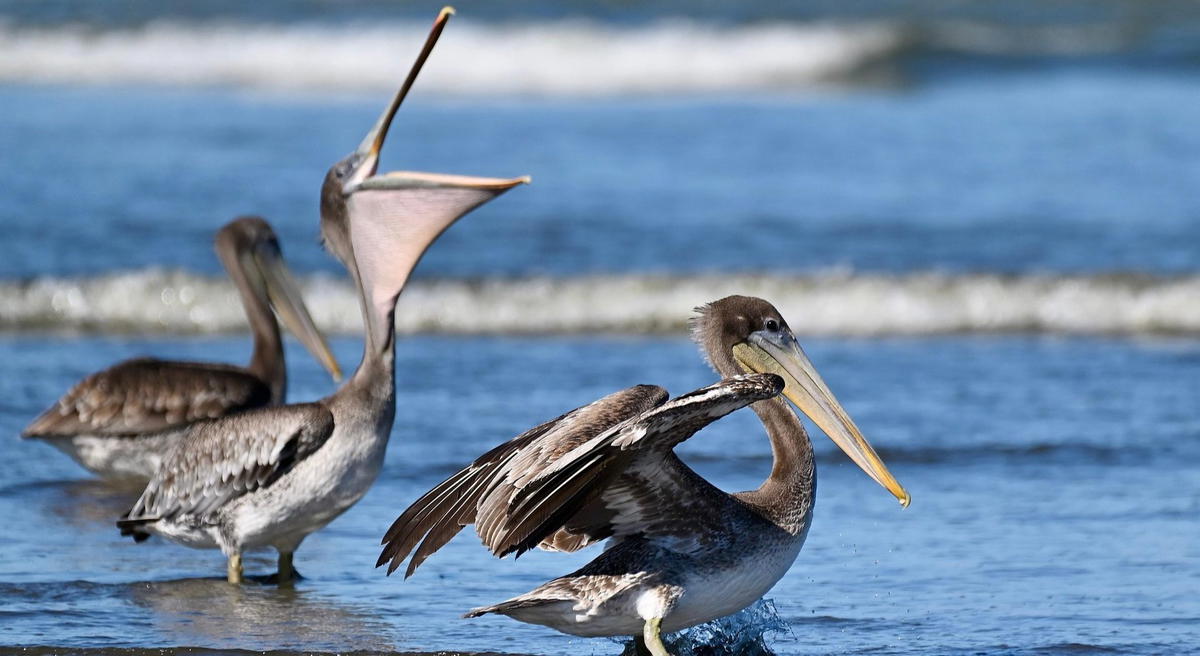
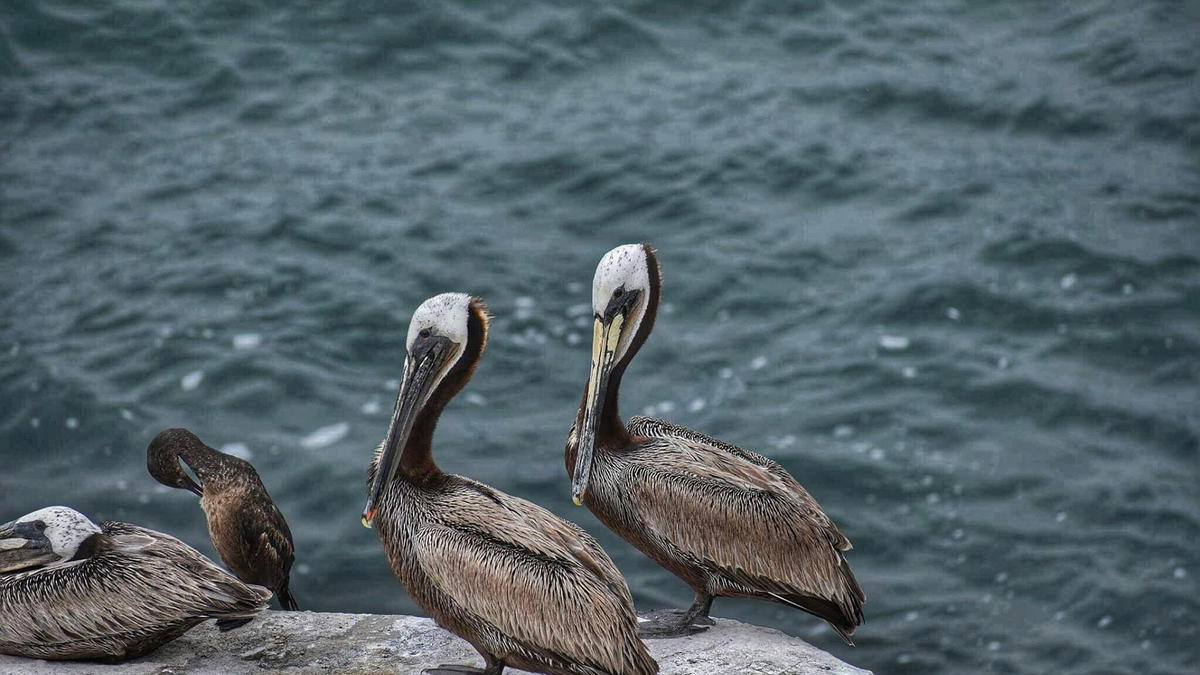
| Brown pelican | Extirpated from FL (1960s) | Common coastal resident | DDT ban, ESA listing, nesting island protection |
| 💡 Key Takeaway Every significant Florida recovery involves the same three elements: legal protection, habitat preservation, and active management. None has succeeded on just one.The 1995 Florida panther genetic rescue is now a textbook case in conservation biology — the clearest demonstration that targeted genetic intervention can reverse an inbreeding-driven extinction trajectory.The Comprehensive Everglades Restoration Plan (CERP) — $10.5 billion, multi-decade — is the single most ambitious ecological restoration investment in U.S. history and the anchor of Florida’s freshwater conservation future. |
The Invasion: Florida’s Accelerating Ecological Challenge
No aspect of Florida’s wildlife has changed more rapidly over the past three decades than the establishment of non-native species. Florida’s climate — warm, humid, frost-free in the south — is hospitable to an extraordinary range of tropical and subtropical animals that arrive through the pet trade, the ornamental plant industry, and accidental transport through major international ports of entry.
The vertebrate roster is, by global standards, remarkable. Beyond the Burmese python: Nile monitor lizards (Varanus niloticus) in Lee County. Green iguanas (Iguana iguana) across South Florida — hundreds of thousands of animals disrupting native vegetation and burrowing into infrastructure. Spectacled caimans (Caiman crocodilus) in Miami-Dade. Several species of invasive cichlid fish restructuring the freshwater fish communities of south Florida’s canal network.
| 🔬 Recent Research HighlightHarvey et al. (2023, PNAS): Burmese python predation in the Everglades measurably reduced the body condition of surviving bobcats — an indirect “fear ecology” effect operating through prey depletion rather than direct predation. The python’s ecological footprint extends well beyond its direct kill rate.This finding complicates invasion impact estimates: a predator does not need to eat every prey animal to disrupt them. Its presence alone is ecologically costly. |
| WILDLIFE WATCHINGThe Best Wildlife Encounters in the Continental U.S.Year-round warmth, public protected lands in every county, and animals habituated to calm human presence — Florida rewards those who know where to go. |
| Site | Ecosystem | Signature Species | Best Season | Key Feature |
| Everglades National Park | Wetland / coastal | Florida panther, roseate spoonbill, alligator | Nov–Apr (dry season) | Greatest subtropical wilderness in the U.S. |
| Merritt Island NWR | Estuary / scrub | Florida scrub jay, manatee, bald eagle, shorebirds | Year-round | Highest bird diversity of any U.S. NWR |
| Ding Darling NWR, Sanibel | Mangrove / estuary | Roseate spoonbill, reddish egret, osprey, alligator | Oct–Apr | Wildlife Drive — 4 miles through mangroves |
| Blue Spring SP, Volusia Co. | Spring run | Manatee (record: 932, Jan 2024), gar, bass | Nov–Mar | Premier accessible manatee observation site |
| Corkscrew Swamp Sanctuary | Cypress swamp | Wood stork, barred owl, swallow-tailed kite | Nov–Apr | Old-growth bald cypress — some trees 500+ years old |
| Archie Carr NWR, Brevard Co. | Atlantic beach | Loggerhead sea turtle nesting — dense western Atlantic colony | Jun–Oct | Guided night walks; highest nesting concentration |
| Three Lakes WMA, Osceola Co. | Dry prairie | Florida grasshopper sparrow, sandhill crane | Oct–Apr | Best remaining dry prairie in Florida |
| Ocala National Forest | Sandhill / scrub | Red-cockaded woodpecker, gopher tortoise, black bear | Year-round | Sand pine scrub + longleaf pine sandhill mosaic |
| Crystal River NWR, Citrus Co. | Spring / estuary | West Indian manatee — only U.S. guided swim site | Nov–Mar | Guided snorkel with wild manatees in crystal water |
| Dry Tortugas National Park | Coral reef / ocean | Magnificent frigatebird, masked booby, sooty tern | Apr–Sep | Remote seabird colony accessible only by boat or seaplane |
| 🗓️ Florida Wildlife Seasonal GuideNov–Mar: Manatee season at springs and warm-water refugia; migratory shorebirds on Gulf beaches; waterfowl on interior lakes; peak wading bird aggregations in the Everglades dry season.Mar–May: Breeding Bachman’s sparrows and red-cockaded woodpeckers; swallow-tailed kite migration (Apr); prothonotary warblers nesting in cypress; gopher tortoise most active.Jun–Oct: Sea turtle nesting season on Atlantic and Gulf beaches (peak Jun–Jul); loggerhead hatchings from Aug; summer wading bird breeding; Florida’s wet season refloods the Everglades.Oct–Nov: Peak hawk migration along the ridge systems; painted buntings arrive on coasts; manatees begin arriving at spring refugia as water cools. |
Recent Research in Florida Wildlife (2020–2025)
Florida’s fauna is among the most intensively studied of any state’s, with major research programmes at the University of Florida, Florida International University, Archbold Biological Station, the Florida Museum of Natural History, and multiple federal agencies. Several recent findings carry direct management consequences:
• Florida panther genetics (2023): Research by FWC and University of Florida geneticists published in Conservation Biology confirmed that the 1995 genetic rescue continues to improve reproductive output nearly three decades on. Hybrid descendants maintain measurably higher heterozygosity than pure Florida panther lineage animals. The study underscored both the success of the rescue and the continuing vulnerability of a population confined to a small geographic area.
• Burmese python cascade effects (Harvey et al., 2023, PNAS): Python predation reduces bobcat body condition through prey depletion — even for animals not directly predated. The ecological footprint of the invasion extends well beyond the direct kill rate.
• Florida grasshopper sparrow (2025): Over 300 individuals held across captive facilities; reintroductions to Three Lakes WMA, Kissimmee Prairie, and Buck Island Ranch ongoing. Post-release survival is significantly higher in recently burned grassland with high arthropod biomass.
• Everglades restoration hydrology (SFWMD, 2024): Increased freshwater flow to the southern Everglades in 2022–2023 produced measurable improvements in Cape Sable seaside sparrow nesting success and alligator hole water retention — early evidence that the massive CERP investment is producing ecological responses at ecosystem scale.
• Snail kite expansion (FWC/UF, 2023): Population expanded from ~700 to >4,500 birds between 2007 and 2022, partly through exploitation of exotic island apple snails as supplementary prey — an unexpected adaptive response that complicates conservation assessment.
Florida as a Conservation Laboratory
Florida is often described as a paradise at risk. That framing is true. It is also incomplete.
It captures the threat without capturing the response — the sustained, scientifically rigorous, politically difficult work of conservation that has prevented outcomes that, in the 1970s, seemed inevitable.
The Florida panther was not supposed to survive. Twenty or thirty animals remained when the recovery programme began in earnest. The population was severely inbred. Public attitudes toward large predators in rural South Florida were, to put it generously, hostile. Today there are several hundred panthers, and the genetic rescue that saved them is cited in conservation programmes from the Iberian lynx to the mountain gorilla.
| “The conditions that make recovery possible are well understood. What they require is sustained engagement.” |
The American alligator was delisted. The bald eagle recovered to the point of nesting in all 67 Florida counties. The American crocodile, reduced to a few hundred animals in the 1970s, now exceeds 2,000 in South Florida. These are not accidents of nature. They are demonstrations of what ecological science, applied with sufficient resources and political will, can accomplish.
What Florida demonstrates, more clearly than almost any other place in the world, is that biodiversity is not simply lost — it is also, sometimes, regained. The panther. The alligator. The manatee. The pelican. These animals were not saved by the landscape healing itself. They were saved by people who understood the system, fought for the policy, and did the work.
NativesOfNature’s Florida wildlife coverage is built around that understanding. Every species profile, every ecosystem guide, every food web explainer is written to connect the animal to the system it inhabits — and the conservation context that makes it significant.
Frequently Asked Questions
How many animal species live in Florida?
Florida supports more than 700 vertebrate species — including over 500 recorded bird species, more than 100 reptile species, approximately 60 amphibian species, and over 200 freshwater and marine fish species — plus thousands of invertebrates. It is one of the most species-rich states in the contiguous United States, a consequence of its subtropical climate, geographic position at the interface of temperate and tropical realms, and extraordinary habitat diversity (FWC).
What makes Florida’s wildlife so unique?
Florida sits at the convergence of three forces that rarely overlap: a subtropical-to-tropical climate gradient, a biogeographic position as a meeting point between temperate North America and the Caribbean, and a hydrology that produces vast, highly productive wetland systems across a flat, low-lying landscape. This combination allows species from very different ecological realms to coexist — and produces endemic species, like the Florida scrub-jay and Florida panther, found nowhere else on Earth.
What is the most endangered animal in Florida?
The Florida panther is arguably the most endangered large mammal in North America, with a single wild population of fewer than 200–230 adults confined to a small area of South Florida. The Florida scrub-jay, with fewer than 4,000 breeding pairs and a steadily declining population, is the most endangered bird endemic to the state. Several freshwater mussel species in the Suwannee and Apalachicola drainages are also critically imperiled.
Are there alligators everywhere in Florida?
American alligators are present in virtually every county in Florida and in nearly every freshwater and brackish habitat in the state, including retention ponds in suburban and urban areas. Florida’s estimated alligator population of approximately 1.3 million represents one of the great wildlife recovery successes in American history. The vast majority pose no threat to humans when given appropriate space; incidents typically involve people who have fed alligators, conditioning them to associate humans with food.
What is being done to protect Florida wildlife?
Florida’s conservation infrastructure includes Everglades National Park (a UNESCO World Heritage Site), Big Cypress National Preserve, over 40 state parks, 11 national wildlife refuges, and more than 2.7 million acres protected through the Florida Forever program. The Comprehensive Everglades Restoration Plan aims to restore natural hydrology to South Florida. The Florida Wildlife Corridor Act (2021) funds connectivity between major conservation areas. Targeted recovery programs for the Florida panther, manatee, crocodile, sea turtles, and scrub-jay have all produced measurable results.
What is the biggest threat to Florida wildlife?
Habitat loss and fragmentation from development is the most pervasive long-term threat, having reduced and isolated virtually every natural community in the state. Hydrological alteration — particularly the disruption of natural water flow through the Everglades — is the dominant threat to wetland-dependent species. Invasive species, especially the Burmese python in South Florida, pose severe localized threats. And climate change, through sea level rise, altered precipitation, and warming temperatures, is reshaping the conditions that Florida’s ecosystems evolved under.
Is the Everglades really a river?
Ecologically, yes. The Everglades is a broad, shallow, slowly moving sheet of water — historically up to 60 miles wide and several inches deep — flowing southward from Lake Okeechobee to Florida Bay at roughly a quarter mile per day. Marjory Stoneman Douglas’s phrase “river of grass” captures both its water-driven nature and its defining vegetation. It is not a swamp in the traditional sense but a functioning freshwater system whose flow, timing, and chemistry determine nearly everything about the species communities it supports