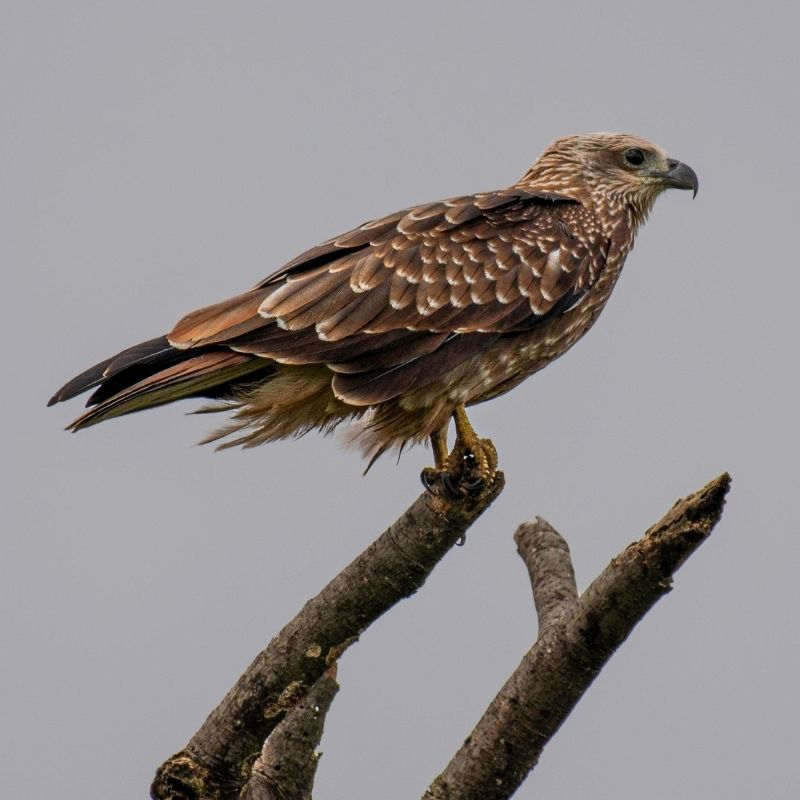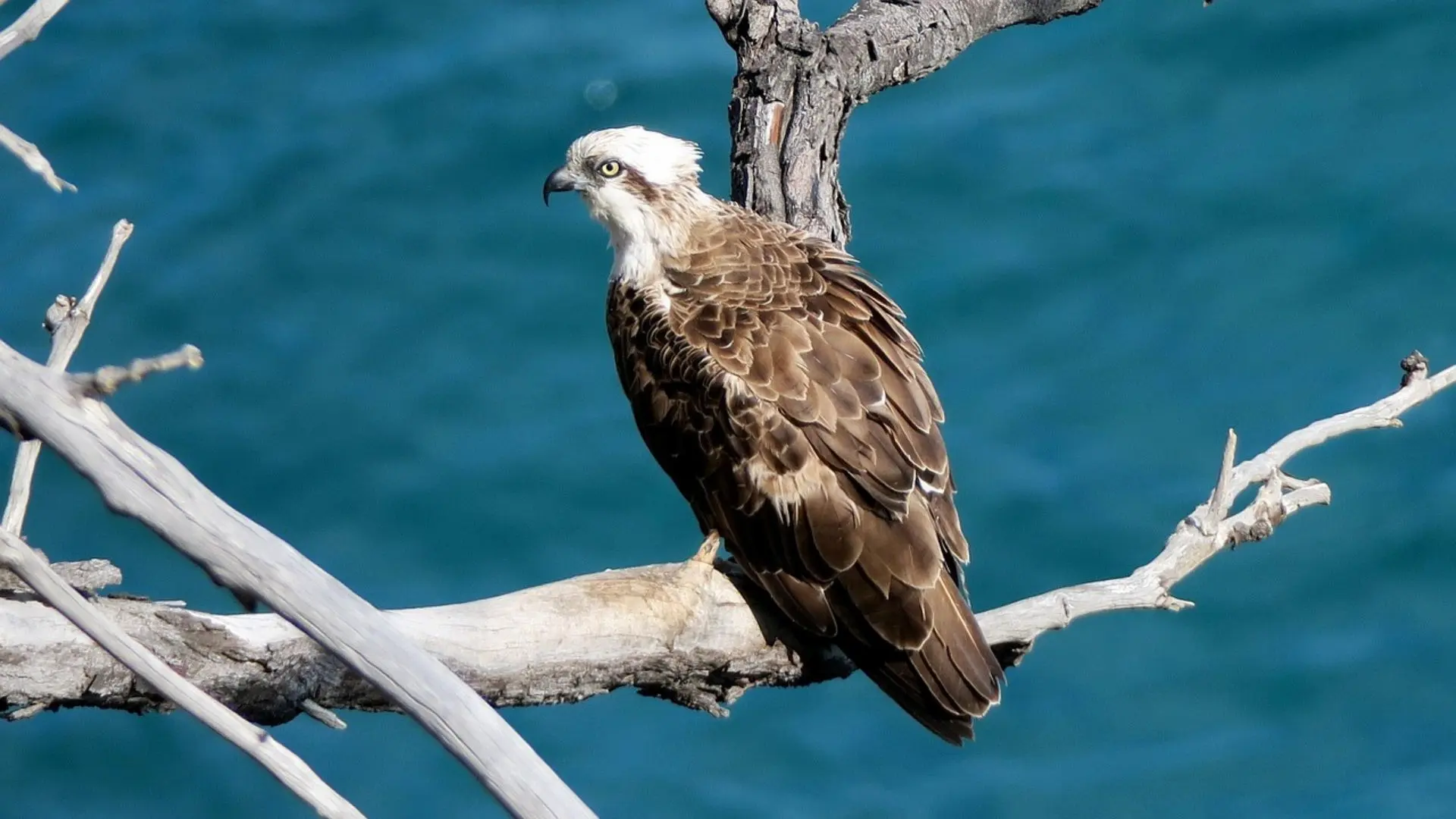
Protect the rivers, and the osprey will keep writing its own epic—one silver fish at a time.Imagine a bird that dives from 100 feet above the water, crashes through the surface at 50 miles per hour, and emerges—every time—with a wriggling fish locked in its talons. This is no myth; it’s the daily life of the osprey (Pandion haliaetus), the only raptor on Earth built exclusively for fishing. Nicknamed the “fish hawk,” this cosmopolitan predator has conquered every continent except Antarctica, turning rivers, lakes, and coastlines into its personal buffet. Once pushed to the brink by a single human-made poison, the osprey staged one of conservation’s greatest comebacks. Here are ten astonishing osprey facts that reveal why scientists at the Cornell Lab of Ornithology call it “evolution’s masterpiece of aquatic hunting.”
1. The Reversible Toe That Rewrote Raptor Rules
Only two birds on the planet—the osprey and the owl—possess a reversible outer toe. This zygodactyl grip (two toes forward, two back) lets an osprey clamp a trout like a vice. Add barbed pads on the soles and you have a living harpoon. “It’s the difference between catching a greased football and a Velcro one,” says Dr. Alan Poole, author of the definitive Ospreys: The Natural and Unnatural History.
2. Nictitating Goggles for Underwater Vision
A transparent third eyelid slides across the osprey’s eye the instant it hits the water, functioning like dive-mask lenses. Vision stays razor-sharp while spray and scales explode around it. Tests by the Peregrine Fund show ospreys can spot a 10-inch fish from 130 feet (40 m)—the height of a 13-story building.
3. The Most Widespread Raptor on Earth
Breed in Scotland, winter in Senegal. Nest in Alaska, fish in Argentina. The osprey’s range spans 87 million square miles, surpassed only by the peregrine falcon. Yet every population returns to the exact same 6-foot-wide stick nest, sometimes used for 30 years. Satellite tracks from the Scottish Wildlife Trust reveal round-trip migrations of 8,000 miles.
4. A 99 % Fish-Only Diet—With Rare Cheats
Mullets, perch, and flounder make up 99 % of meals, but hungry ospreys have snatched frogs, snakes, and even muskrats. In Florida’s Everglades, researchers once filmed an osprey wrestling a 4-foot alligator gar—nearly its own body length—out of the water.
5. The Eye-Stripe That Says “Back Off”
A bold black bandit mask slashes from beak to nape, signaling aggression to rivals and camouflage to fish below. Females wear the same mask but carry 20 % more body mass—up to 4.4 lb (2 kg)—and sport a subtle “necklace” of brown streaks. Wingspans stretch to 6 feet (1.8 m), wider than a bald eagle’s.
6. Nests the Size of Bathtubs—Built for Generations
A pair hauls 200 pounds of sticks, sod, and seaweed to platforms atop dead trees or cellphone towers. One Maryland nest, monitored by the Chesapeake Bay Foundation, grew to 12 feet deep and lasted 45 years. Ospreys breed in loose colonies; a single successful nest can seed an entire bay with newcomers.
7. Monogamy That Outlasts Human Marriages
Pairs bond for life, greeting each spring with sky-dances and fish gifts. If one dies, the survivor advertises with high whistles until a new mate arrives—often within days. Long-term studies in Scotland show 70 % of pairs stay faithful for over a decade.
8. A Symphony of Cheeps, Chirps, and Alarm Sirens
“Cheereek! Cheereek!” rings across the marsh when intruders approach. Chicks beg with rapid-fire “cheeps” that sound like rusty hinges. Biologists at the Raptor Research Foundation use these calls to census hidden nests from drones.
9. The DDT Crash and the Miracle Rebound
In 1960, DDT thinned eggshells so badly that ospreys vanished from much of North America. After the 1972 ban, populations exploded. Today, 500,000 ospreys soar worldwide, a 2,500 % increase in the U.S. alone. The IUCN lists them as Least Concern—proof that conservation works.
10. Hover, Plunge, Shake—In 3 Seconds Flat
Watch an osprey hover like a helicopter, fold its 6-foot wings, and rocket downward. On ascent it rotates the fish head-first for aerodynamics, then shakes mid-air like a wet dog—shedding 20 water droplets in a single twist. High-speed cameras at 1,000 frames per second reveal the entire sequence lasts three heartbeats.
The osprey teaches a quiet lesson: specialize brilliantly, adapt quietly, and the world will make room for you. From Scottish lochs to Australian billabongs, these fish hawks stitch freshwater and ocean ecosystems together, controlling prey populations and signaling clean water. Next time you spot a crooked stick pile on a channel marker, look closer—an architect of the wild is probably watching you back, yellow eyes blazing with ancient focus.