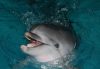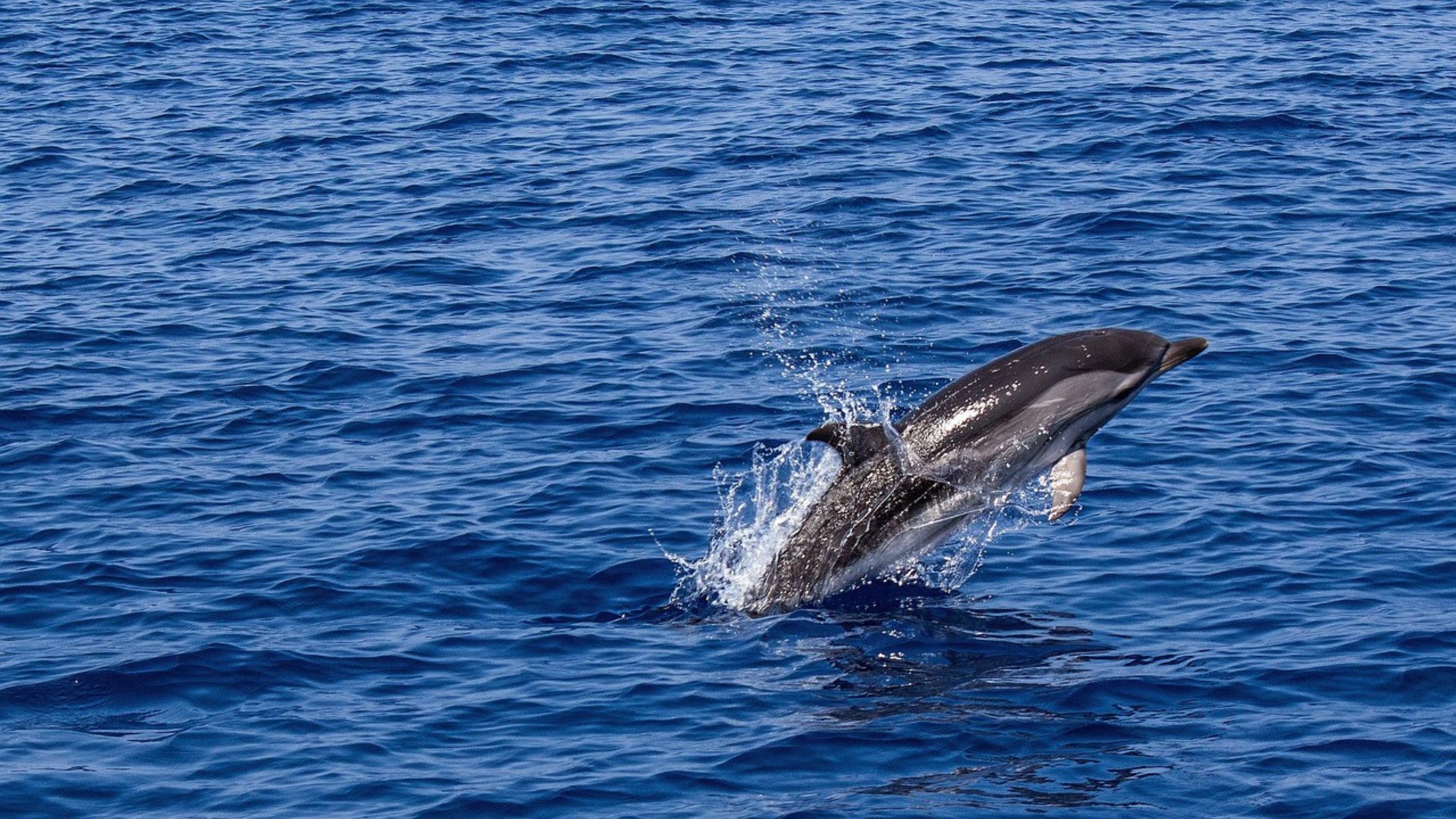
In the turquoise shallows off Shark Bay, one dolphin rises vertically, locks eyes with a research boat, and blows a perfect heart-shaped bubble ring. Then it vanishes. Seconds later the entire pod breaches in perfect synchrony—exhaling like an orchestra hitting the final note. This is Tursiops truncatus: the ocean’s genius, composer, and cultural legend rolled into one permanent smile.
Few creatures rival the bottlenose dolphin for raw cognitive firepower wrapped in pure joy. From lifelong acoustic names to 150-year fishing contracts with Brazilian families, here are 14 mind-blowing facts that stun scientists after 70 years of study—and will make you scroll, screenshot, and share.
1. They Invent Lifelong Names Before Age One
Every dolphin crafts a unique signature whistle in its first year—used exactly like a human name.
University of St Andrews playback tests (2023) prove childhood friends recognize each other’s whistles after 20+ years apart—the longest social memory outside humans.
2. They Pass the Mirror Test With Flying Colors
Only 7 species ace true self-recognition. Dolphins are one.
New York Aquarium 2001: researchers marked hidden body parts with ink. Dolphins twisted for minutes to inspect the marks in mirrors—proving they know “that’s ME.”
3. 57 Females Only: The Sponge-Mask Tradition
Shark Bay mothers teach daughters (never sons) to wear basket sponges like protective gloves while digging in sharp coral.
100 % matrilineal. Zero males. Smithsonian 2025 calls it “the clearest animal material culture on Earth.”
4. Mud Nets Taller Than an NBA Hoop in 15 Seconds
One dolphin circles at 15 km/h, kicking up a 3 m (10 ft) silt wall. Fish leap over—straight into waiting jaws.
National Geographic Crittercam: the architect deliberately waits until every teammate eats first.
5. 37 Perfect Strandings in 45 Minutes—Zero Fatalities
South Carolina pods ride bow waves onto mudflats, grab fish, slide back in 5–10 s.
Dolphin Ecology Project record: 37 strandings, no beaching deaths. Calves need 4 years of lessons before first attempt.
6. 150-Year Fishing Contract with Brazilian Families
Since 1847 in Laguna, dolphins signal fishermen with vertical dives + tail slaps: “cast NOW.”
Both species teach young the exact choreography. Success rate when both teams show? 98 %. Current Biology 2024.
7. They Speak Shark—And Sharks Obey
Tiger sharks approach → dolphins blast low-frequency alarm barks audible 5 km away.
Shark Bay data: sharks change course 68 % of the time. Dolphins literally manage apex-predator traffic.
8. 0–35 km/h in Under 3 Seconds (Faster Than a Formula 1 Car)
Skin sheds every 2 hours, reducing drag 70 % vs human submarines.
U.S. Navy Marine Mammal Program: “We still can’t copy dolphin skin tech.”
9. Half-Brain Sleep, One Eye Always Open
Unihemispheric slow-wave sleep: one hemisphere rests, the opposite eye stays wide for sharks.
Woods Hole EEG studies: dolphins average 8 hours daily yet are never fully unconscious.
10. Two Stomachs, Zero Chewing
Teeth = grabbing only. They swallow 14 kg (31 lb) of mullet whole in 42 minutes.
Muscular forestomach grinds bones like a gizzard. Sarasota Dolphin Research Program record.
11. Mothers Carry Dead Calves for 17 Days
Grieving pods reduce feeding 83 %, emit never-heard-before distress calls.
NOAA observers: some mothers gently nudge bodies to surface for weeks.
12. Self-Medication Coral Spas
Red Sea dolphins queue to rub against specific corals coated in antimicrobial compounds.
iScience 2024: selective rubbing soothes skin infections—passed mother-to-calf like a pharmacy map.
13. Ocean Noise Doubles Every Decade—They’re Losing Their Voices
Shipping masks signature whistles by 70 % in busy lanes.
Marine Mammal Commission 2025: underwater noise now classified as pollution equal to oil spills.
14. 300,000+ Die Yearly in Fishing Gear
Biggest threat isn’t sharks—it’s ghost nets.
NOAA 2025: every lost dolphin erases decades of cultural knowledge no calf will ever re-learn.
Quick Fact File – Bottlenose Dolphin (Tursiops truncatus)
| Attribute | Measurement | Wow Context |
| Brain weight | 1,500–1,700 g | 2nd highest brain-to-body ratio after humans |
| Lifespan (wild) | 50–67 years | Sarasota females beat 67 |
| Top speed burst | 35 km/h in <3 s | Faster 0–30 than F1 car |
| Dive depth | 500 m (1,640 ft) | Deeper than most submarines |
| Skin shed cycle | Every 2 hours | 9× faster than human skin |
| Signature-whistle range | 25 km via SOFAR channel | Acoustic “phone call” across oceans |
| Cultural traditions | 14 regional variants | Brazil fishing ↔ Australia sponging |
| Annual bycatch deaths | 300,000+ worldwide | NOAA Fisheries 2025 |
The Ocean’s Sharpest Mind Isn’t Human
Every whistle, every sponge mask, every 150-year handshake with a Brazilian fisherman is proof: intelligence isn’t measured by thumbs or tools alone. It’s measured by the depth of relationships we teach our children to keep alive.
When we silence their ocean, we don’t just kill dolphins. We erase living libraries older than most nations—cultures written in sound, grief, and bubble-ring symphonies only salt water can carry.
References
- Mann, J. et al. (2024). Marine Mammal Science – 35-year cultural transmission
- Wells, R. S. (2025). Sarasota 55-year dataset
- Daura-Jorge, F. (2024). Current Biology – Laguna 150-yr fishery
- King, S. L. & Janik, V. M. (2023). Proc Royal Soc B – 20-yr memory
- NOAA Fisheries (2025). Ocean noise & bycatch roadmap
- National Geographic Crittercam (2025). Mud-ring + strand-feeding archives
- Marino, L. et al. (2024). iScience – Coral self-medication
FAQs
Do dolphins really have individual names?
Yes—each creates a unique lifelong signature whistle recognized after 20+ years.
How fast can a bottlenose dolphin accelerate?
0–35 km/h in under 3 seconds—faster than a Formula 1 car.
Can dolphins use tools?
Yes—57 Shark Bay females wear sponge masks, taught only by mothers.
How long have dolphins worked with Brazilian fishermen?
150+ years in Laguna—98 % success when both teams show.
Why is ocean noise deadly for dolphins?
Masks signature whistles by 70 %—breaking lifelong bonds permanently.
How do dolphins sleep without drowning?
One brain half + one eye stays awake; they switch sides every 2 hours.