Introduction
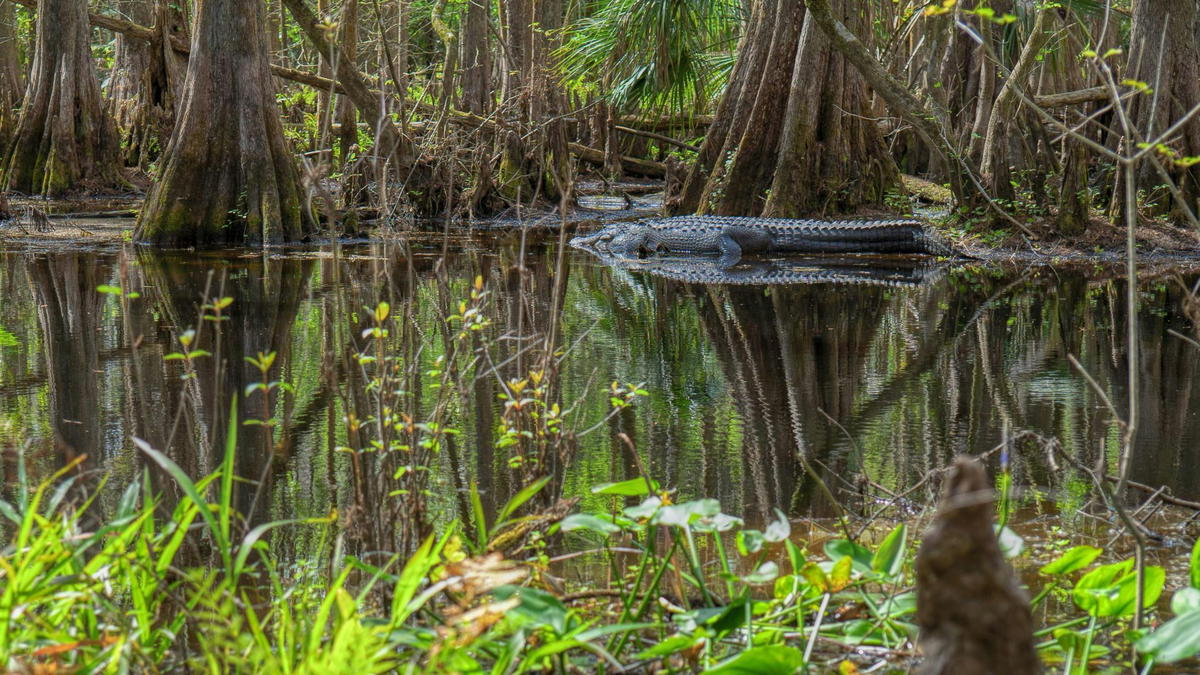
The American alligator (Alligator mississippiensis) is widely recognized as an apex predator in southeastern U.S. wetlands, but its ecological importance extends beyond predation. One of the species’ most significant contributions to wetland ecosystems comes from its nesting behavior. Female alligators construct large mound-shaped nests composed of vegetation, mud, and soil near water bodies such as marshes, swamps, and lake margins. These nests, typically built during late spring and early summer, serve not only as incubation sites for eggs but also as ecological structures that influence surrounding habitats.
Biologists often describe alligators as ecosystem engineers, meaning their activities physically modify the environment in ways that affect other species. Nest construction and the associated excavation of nearby depressions—often called “gator holes”—create microhabitats that support diverse plant and animal communities. Research in systems such as the Everglades and coastal marshes shows that these structures can influence predator–prey interactions, water availability during drought, and nutrient cycling within wetlands.
Understanding the ecological functions of alligator nests provides insight into how a single species can shape biodiversity and ecosystem stability across large wetland landscapes.
1. Alligator Nests Provide Predator Protection for Wading Birds
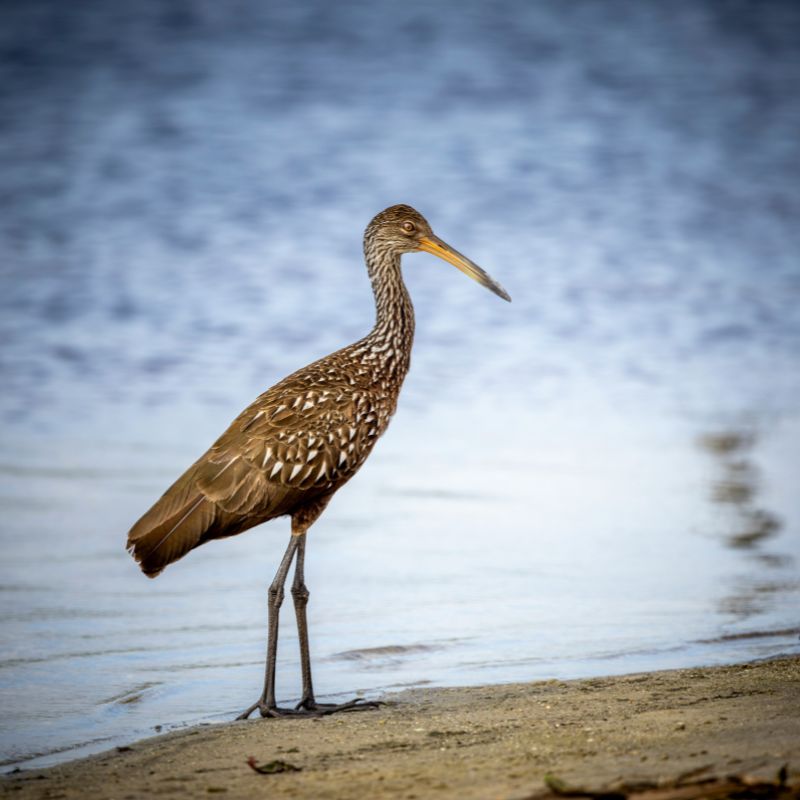
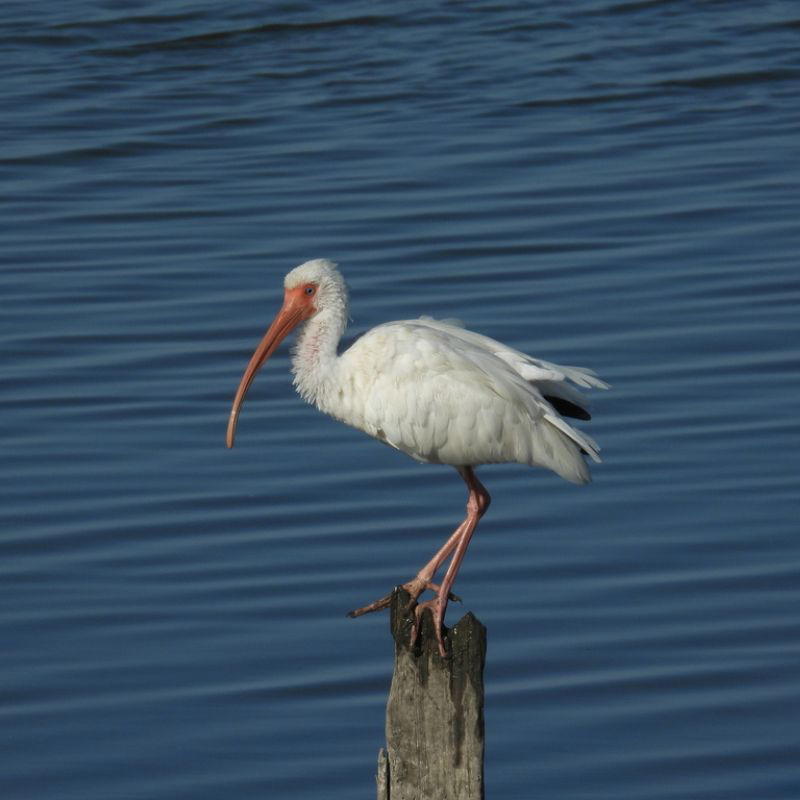
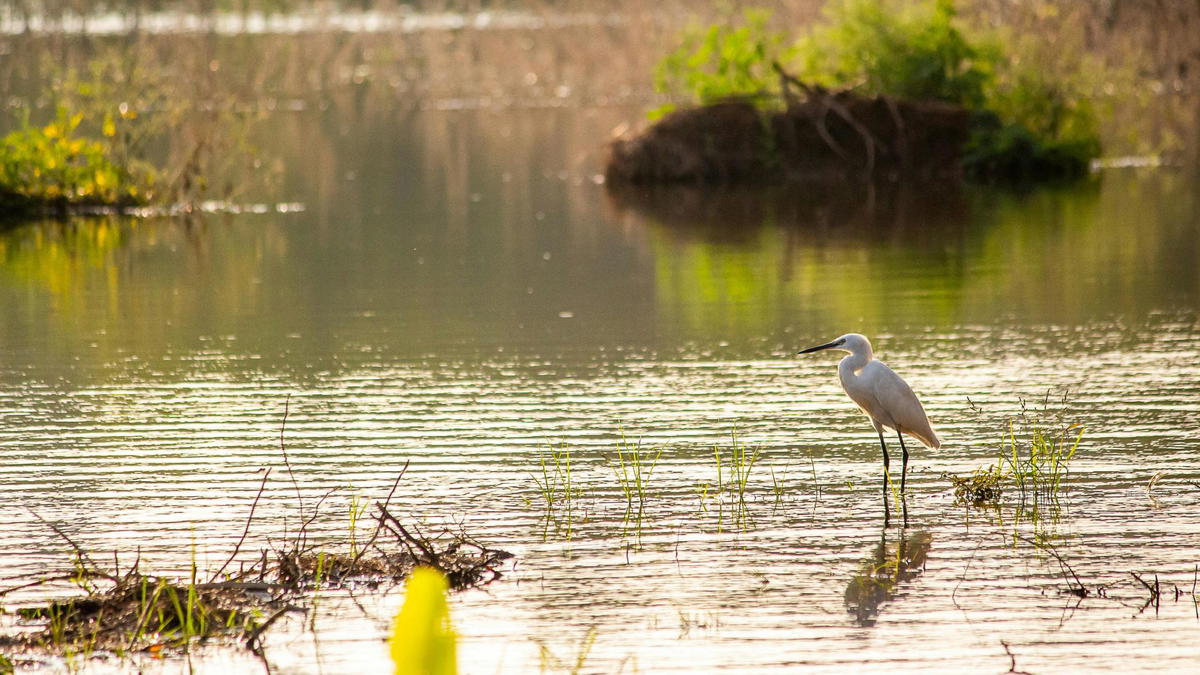
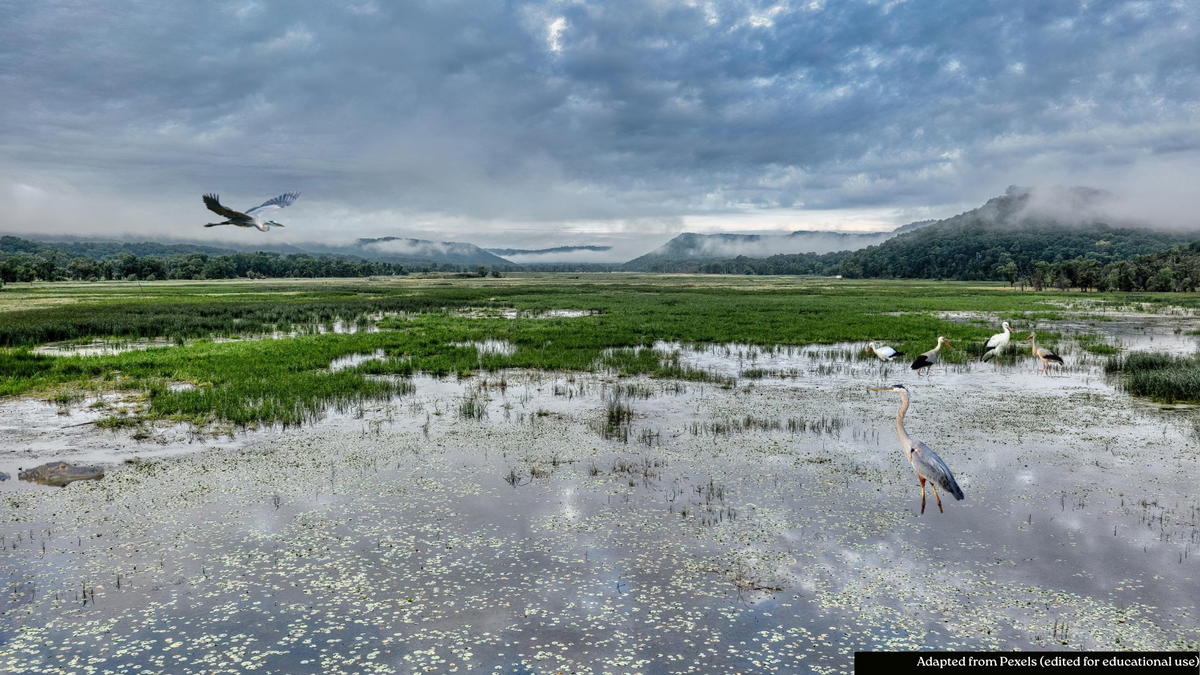
One of the most documented ecological roles of alligator nests involves their relationship with colonial wading birds such as herons, egrets, and storks. In many wetlands, birds deliberately choose nesting sites in areas occupied by adult alligators. This association occurs because alligators act as effective deterrents against mammalian nest predators, particularly raccoons and opossums.
These mammals frequently raid bird colonies by climbing trees or accessing small nesting islands. However, when colonies are located above or near active alligator territories, mammalian predators face a significant risk of predation while approaching the nesting area. As a result, bird nesting success often increases in locations where alligators are present.
This interaction represents a form of facultative mutualism. Birds benefit from reduced predation pressure, while alligators gain access to fallen chicks or discarded food beneath colonies, which can supplement their diet. In regions such as the Florida Everglades, large wading bird rookeries are frequently found on tree islands surrounded by water where alligators patrol the perimeter.
Through this protective effect, alligator nesting territories indirectly support the reproductive success of multiple bird species.
2. Nest Mounds Create Elevated Microhabitats in Wetlands
Alligator nests themselves form distinct physical structures that modify the surrounding landscape. A typical nest mound may measure approximately 1–1.5 meters (3–5 feet) in diameter and up to about 1 meter (3 feet) in height, depending on available vegetation and soil. These elevated structures are built by piling plant material, mud, and debris, which gradually decomposes and generates heat that incubates the eggs.
Beyond incubation, the mound structure creates raised microhabitats within otherwise low-lying wetlands. These elevated surfaces remain relatively dry compared with surrounding marsh vegetation and therefore provide resting or basking sites for a variety of animals.
Amphibians, reptiles, insects, and small mammals may use nest mounds as temporary refuge from shallow flooding. Camera-trap monitoring studies in southeastern U.S. wetlands have documented numerous vertebrate species using nest mounds for behaviors such as basking, feeding, or traveling.
Over time, decomposing vegetation within nests contributes organic matter to surrounding soils. In this way, nest mounds function as localized habitat features that increase structural complexity and wildlife use within wetland environments.
3. Nest Construction Often Leads to the Formation of “Gator Holes”
While building nests and maintaining territories, alligators frequently excavate shallow depressions in nearby marsh substrate. These depressions, commonly called “gator holes,” are one of the most important ecosystem-engineering effects associated with nesting areas.
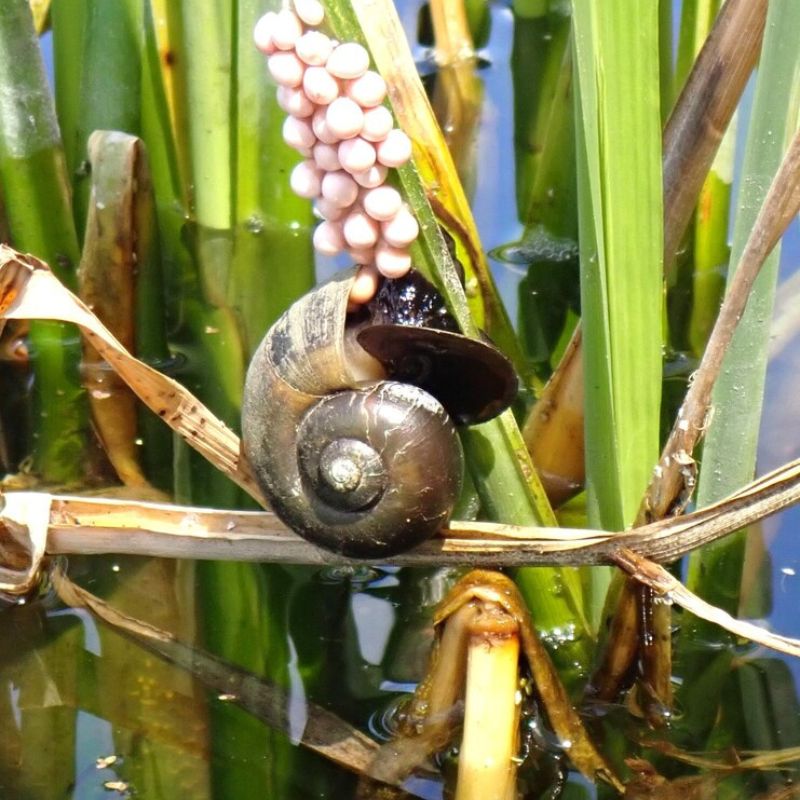
A gator hole may extend deep enough to reach the local water table. During seasonal droughts, these depressions retain water even when surrounding marshes temporarily dry out. The remaining pools become critical refuge habitats for aquatic organisms, including fish, amphibians, crustaceans, and freshwater snails.
Research from the U.S. Geological Survey (USGS) has shown that these persistent water pockets help maintain aquatic biodiversity during dry seasons in wetlands such as the Everglades. Predators and wading birds often concentrate around them, creating temporary feeding hotspots.
Because gator holes are distributed wherever alligators establish territories, they effectively form a network of small aquatic refuges across wetlands. These structures increase ecosystem resilience by allowing aquatic species to survive periods of hydrological stress.
4. Nest Building Influences Vegetation Structure and Habitat Diversity
The process of constructing an alligator nest involves collecting large quantities of vegetation from the surrounding area. Females gather grasses, reeds, leaves, and other plant materials, piling them into mound structures that serve as incubation sites.
This behavior also alters vegetation structure within wetlands. By removing plant biomass from localized areas, nest-building activity prevents dense vegetation from becoming overly uniform. Instead, patches of cleared ground and disturbed plant communities develop around nesting sites.
These disturbance patches allow different plant species to establish, increasing small-scale habitat diversity. The mound itself also creates subtle elevation gradients that support plant species adapted to slightly drier conditions than those dominating surrounding marshes.
Over time, these localized disturbances contribute to heterogeneous wetland vegetation patterns, which support a wider range of invertebrates, amphibians, and birds. Nest construction therefore functions as a natural disturbance process that maintains habitat complexity within marsh ecosystems.
5. Nest Sites Contribute to Nutrient Cycling in Wetland Food Webs
Alligator nests also influence nutrient dynamics in wetland ecosystems. The mound itself consists of organic material that gradually decomposes over the course of the incubation period, which typically lasts about 60–70 days, depending on temperature conditions.
As plant material breaks down, microbes release nutrients such as nitrogen and phosphorus into the surrounding soil and water. These nutrients can stimulate the growth of algae and aquatic plants, which form the base of wetland food webs.
In addition, nesting territories often accumulate organic inputs from animal activity. Droppings from birds nesting above alligator territories, along with leftover prey remains, contribute additional nutrients to nearby soils and water.
Through these processes, nesting sites can become localized nutrient hotspots within marsh ecosystems. Although each nest influences only a small area, the combined effects across many nesting territories help sustain biological productivity in wetland landscapes.
🔎 Key Takeaways
- Alligator nests function as ecosystem-engineering structures that modify wetland habitats and influence biodiversity.
- Wading birds frequently nest near alligators because the reptiles deter mammalian predators that raid bird colonies.
- Nest mounds create elevated microhabitats used by reptiles, amphibians, and other wildlife in flooded wetlands.
- Nest construction often produces gator holes, which retain water during droughts and provide refuge for aquatic organisms.
- Vegetation removal during nest building generates small disturbance patches that increase plant diversity.
- Decomposition of nest materials releases nutrients that help sustain productivity in wetland food webs.
References
• U.S. Geological Survey (USGS) Wetland and Aquatic Research Center
• Florida Fish and Wildlife Conservation Commission (FWC)
• Smithsonian National Museum of Natural History