Introduction
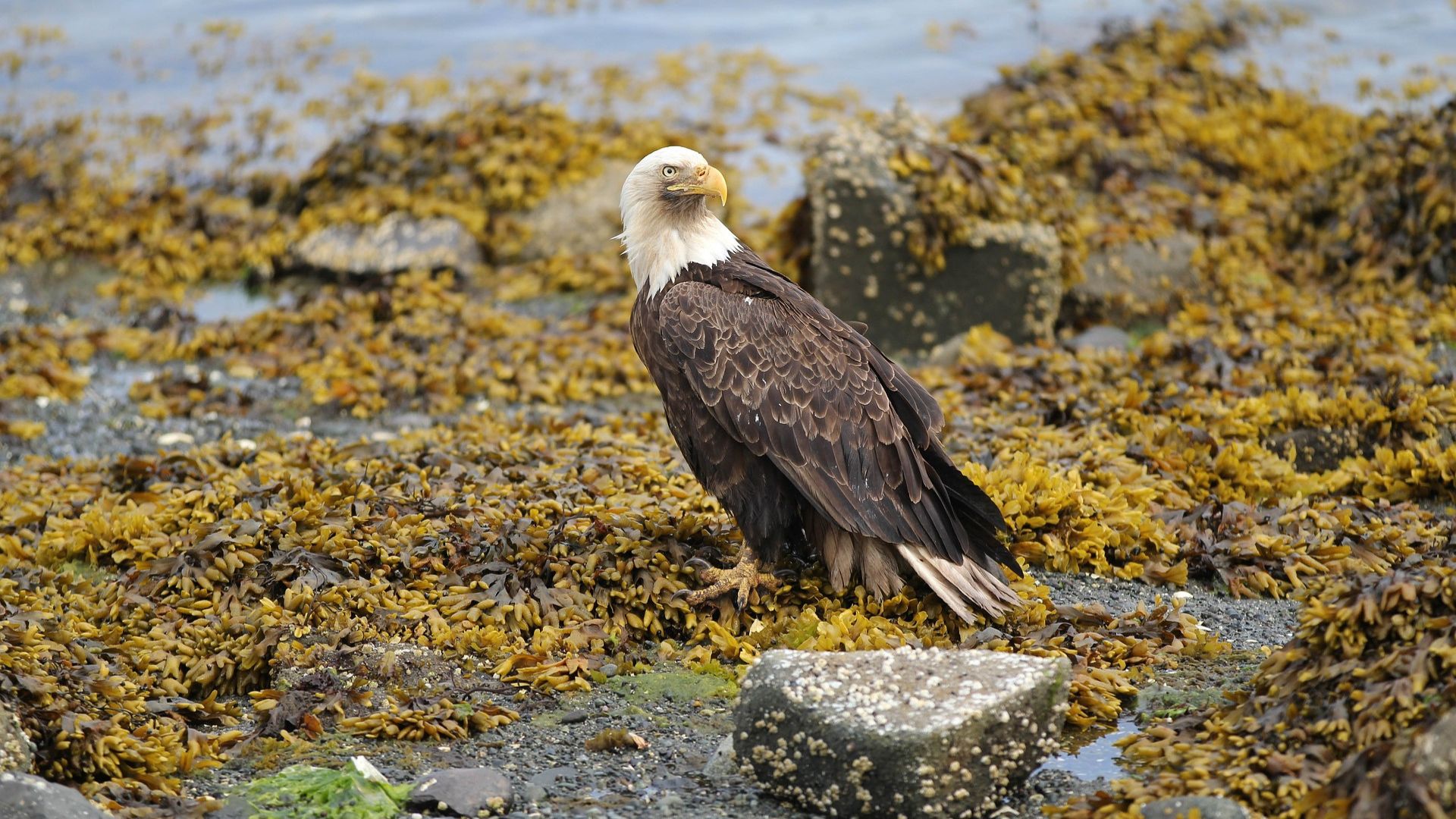
The bald eagle (Haliaeetus leucocephalus) functions as an apex and opportunistic predator within North American ecosystems, interacting with a wide range of species through predation, competition, scavenging, and kleptoparasitism. These interactions are structured by trophic relationships, prey availability, and seasonal dynamics such as salmon spawning runs or winter carrion scarcity.
Ecological research from the U.S. Fish and Wildlife Service (USFWS), U.S. Geological Survey (USGS), and the Cornell Lab of Ornithology shows that bald eagles exhibit strong behavioral plasticity, shifting between active hunting and scavenging depending on energetic efficiency. Their interactions with other animals—ranging from fish and seabirds to mammals and humans—shape food web structure, influence prey populations, and contribute to nutrient transfer across ecosystems.
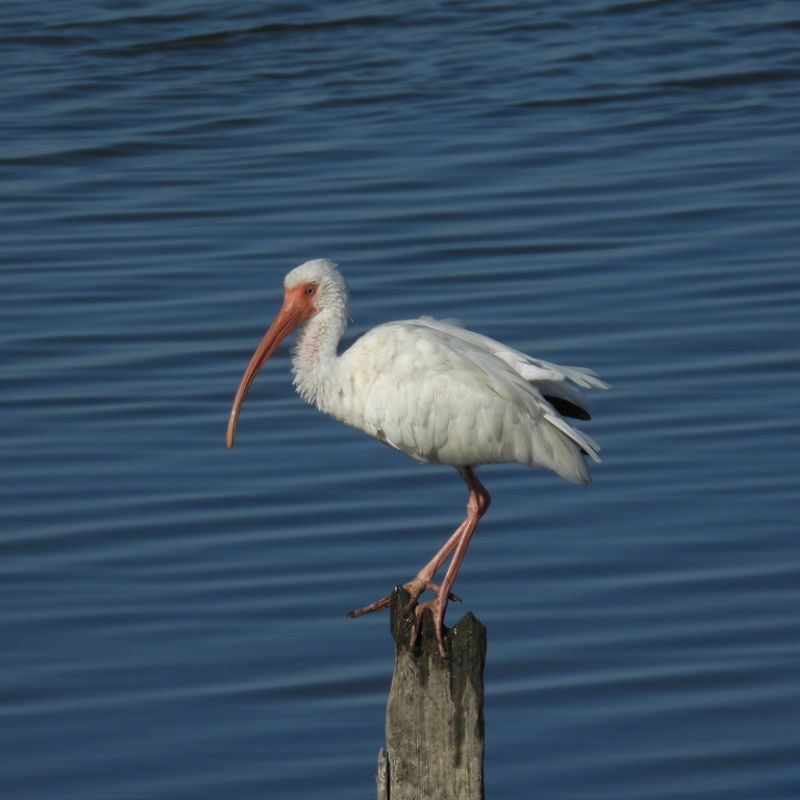
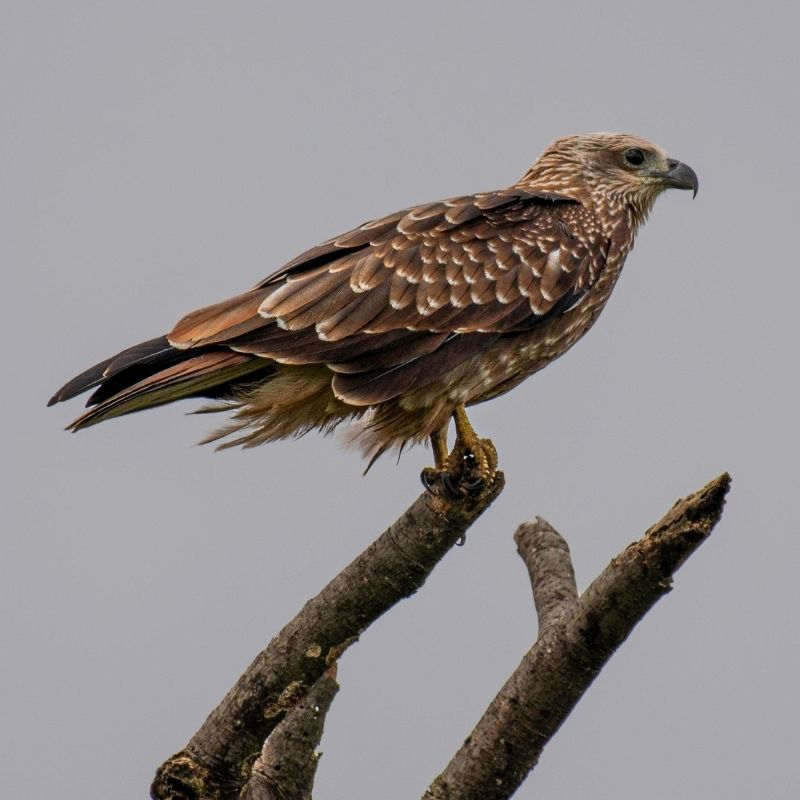
Examining these species-level interactions provides insight into how bald eagles maintain their ecological role and how energy flows between aquatic and terrestrial systems. The following sections outline 10 key animals that regularly interact with bald eagles and the biological mechanisms underlying these relationships.
1. Salmon and Other Fish (Primary Prey Base)
Fish, particularly salmon (Oncorhynchus spp.), form the core of the bald eagle’s diet, often comprising 70–90% of total biomass in coastal populations. During spawning runs, salmon aggregate in high densities, creating predictable and energy-rich feeding opportunities. Bald eagles exploit this through both active capture and scavenging of post-spawning carcasses.
Their hunting strategy relies on high visual acuity and timing rather than deep submersion. Eagles typically capture fish from the upper 30–60 cm of the water column using talons capable of exerting significant grip force on slippery prey. Spawning salmon also contain elevated lipid reserves, increasing caloric return per capture.
Ecologically, this interaction facilitates marine-to-terrestrial nutrient transfer, as eagle feeding and waste deposition redistribute nitrogen and phosphorus into riparian ecosystems, influencing plant and microbial productivity.
2. Osprey (Kleptoparasitic Target and Competitor)
The osprey (Pandion haliaetus) is one of the most direct competitors of bald eagles, with both species relying heavily on fish. However, their hunting strategies differ: ospreys perform full submersion dives, while bald eagles primarily capture surface prey or steal it.
Bald eagles frequently engage in kleptoparasitism by pursuing ospreys in flight until they release their catch. This behavior significantly reduces energetic cost compared to independent hunting. Field observations indicate that ospreys may lose approximately 10–25% of captured fish in areas with high eagle density.
This interaction represents interference competition, where direct behavioral aggression reduces the foraging efficiency of another species. It also drives behavioral adaptations in ospreys, including altered flight altitude and rapid prey consumption.
3. Glaucous-Winged Gulls (Predation and Nest Raiding)
Glaucous-winged gulls (Larus glaucescens) interact with bald eagles through direct predation and indirect colony disturbance. Eagles prey on adult gulls, chicks, and eggs, particularly in densely packed nesting colonies.
The ecological effect extends beyond direct predation. Eagle overflights often trigger mass flushing of gull colonies, temporarily exposing unattended nests. This increases secondary predation and intraspecific egg cannibalism among gulls.
Thus, bald eagles function not only as predators but also as disturbance-mediated regulators of seabird reproductive success. This interaction demonstrates how apex predators can influence population dynamics through both direct and indirect mechanisms.
4. Harbor Seals (Scavenging and Resource Overlap)
Harbor seals (Phoca vitulina) interact with bald eagles primarily through scavenging pathways and partial dietary overlap. Eagles commonly feed on placentas, stillborn pups, and carcasses within seal haul-out sites.
Active predation on healthy seal pups is rare due to size constraints, but scavenging provides a high-energy resource, particularly during pupping seasons. Both species also exploit similar fish populations, creating exploitative competition, although direct conflict is limited by vertical niche separation (surface vs. underwater foraging).
This interaction illustrates how marine mammals can act as resource subsidies for avian predators, linking marine productivity to terrestrial scavenger networks.
5. American Crows and Ravens (Mobbing and Scavenging)
American crows (Corvus brachyrhynchos) and common ravens (Corvus corax) interact with bald eagles through mobbing behavior and scavenging. These corvids often harass eagles in coordinated groups to protect nests or displace them from food sources.
Mobbing involves repeated aerial dives and vocalization, creating persistent disturbance. Although eagles are rarely injured, sustained mobbing can influence their perching and nesting choices.
Corvids also benefit from eagle kills by scavenging leftover tissue. Their advanced cognitive abilities enable them to track eagle movements and locate carcasses efficiently.
This interaction combines antagonistic defense behavior with commensal scavenging, highlighting complex interspecific dynamics.
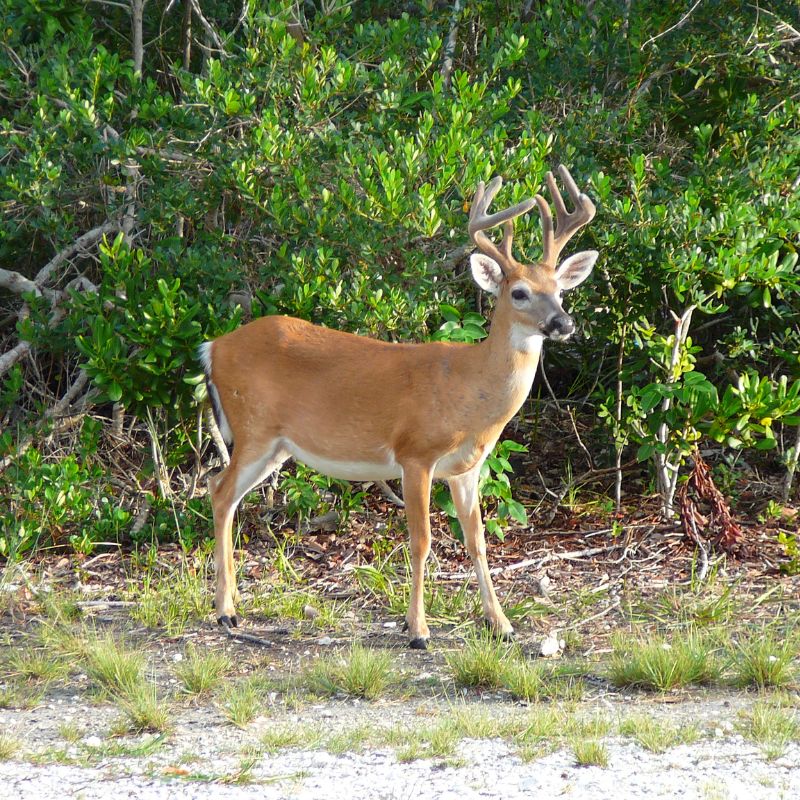
6. White-Tailed Deer (Scavenging and Occasional Predation)
White-tailed deer (Odocoileus virginianus) interact with bald eagles primarily through carrion availability. During winter, when fish are less accessible due to ice cover, eagles rely more heavily on deer carcasses, including roadkill and hunter remains.
Occasional predation on neonatal fawns has been documented, but such events are rare and typically involve vulnerable individuals. The majority of interactions involve scavenging rather than active hunting.
Carrion consumption accelerates nutrient cycling and reduces carcass persistence in the environment. This interaction highlights the bald eagle’s role as a facultative scavenger, particularly under seasonal resource constraints.
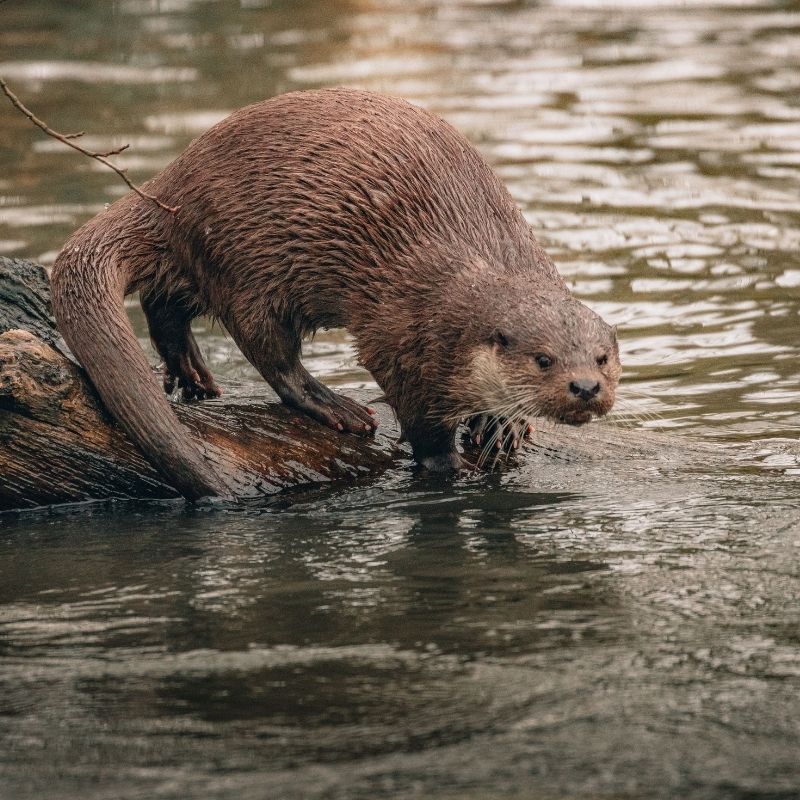
7. River Otters (Competition and Kleptoparasitism)
River otters (Lontra canadensis) compete with bald eagles for fish in freshwater and estuarine systems. Both predators target similar prey species, creating overlap in resource use.
Eagles may attempt kleptoparasitism by seizing fish from otters when they surface. Although otters are agile and often evade such attempts, successful thefts have been observed.
This interaction represents interspecific competition with opportunistic piracy, moderated by differences in hunting mode. Otters exploit submerged and structurally complex habitats, while eagles access open-surface prey.
Such partitioning allows coexistence while maintaining competitive pressure under limited resource conditions.
8. Golden Eagles (Interspecific Competition)
Golden eagles (Aquila chrysaetos) overlap geographically with bald eagles in parts of North America, leading to competition for carrion, prey, and nesting territory.
Despite similar body size (typically 3–6.5 kg), the two species exhibit niche separation: bald eagles dominate aquatic environments, while golden eagles specialize in terrestrial prey.
In direct encounters, bald eagles often dominate at carcasses due to aggressive behavior, though outcomes can vary. This interaction exemplifies intraguild competition, where ecologically similar predators compete within overlapping ranges.
Habitat partitioning reduces long-term conflict while allowing coexistence.
9. Black Bears (Scavenging Association)
Black bears (Ursus americanus) interact with bald eagles primarily through scavenging facilitation, especially during salmon spawning events. Bears capture salmon and selectively consume high-energy tissues, leaving substantial remains.
Bald eagles exploit these leftovers, forming predictable feeding aggregations near bear foraging sites. This creates a facilitated feeding interaction, where one predator indirectly supports another.
This relationship enhances nutrient redistribution, as both species transport salmon-derived nutrients into terrestrial ecosystems.
Although rare, bears may prey on eagle nestlings if nests are accessible, introducing occasional predatory risk.
10. Humans (Anthropogenic Interaction)
Humans (Homo sapiens) influence bald eagle ecology through both negative and positive pathways. Historically, organochlorine pesticides such as DDT caused eggshell thinning, reducing reproductive success by up to 80–90% prior to regulatory bans in the 1970s.
Modern threats include lead poisoning from ingested ammunition fragments, collisions with infrastructure, and behavioral changes due to anthropogenic food sources such as landfills and fish-processing waste.
Conversely, conservation measures under the Bald and Golden Eagle Protection Act and recovery programs led by USFWS have enabled population recovery, with the species now classified as Least Concern.
This interaction demonstrates humans as both ecological stressors and conservation agents, uniquely shaping bald eagle population dynamics.
Key Takeaways
• Bald eagles interact with species through predation, competition, scavenging, and kleptoparasitism
• Fish, especially salmon, form the primary energetic foundation of their ecological role
• Ospreys and otters represent key competitors, while gulls and deer serve as prey or scavenging sources
• Corvids and bears illustrate complex interactions combining conflict, facilitation, and resource sharing
• Golden eagles demonstrate intraguild competition moderated by habitat partitioning
• Human activity remains a dominant force influencing eagle behavior, survival, and recovery