Introduction
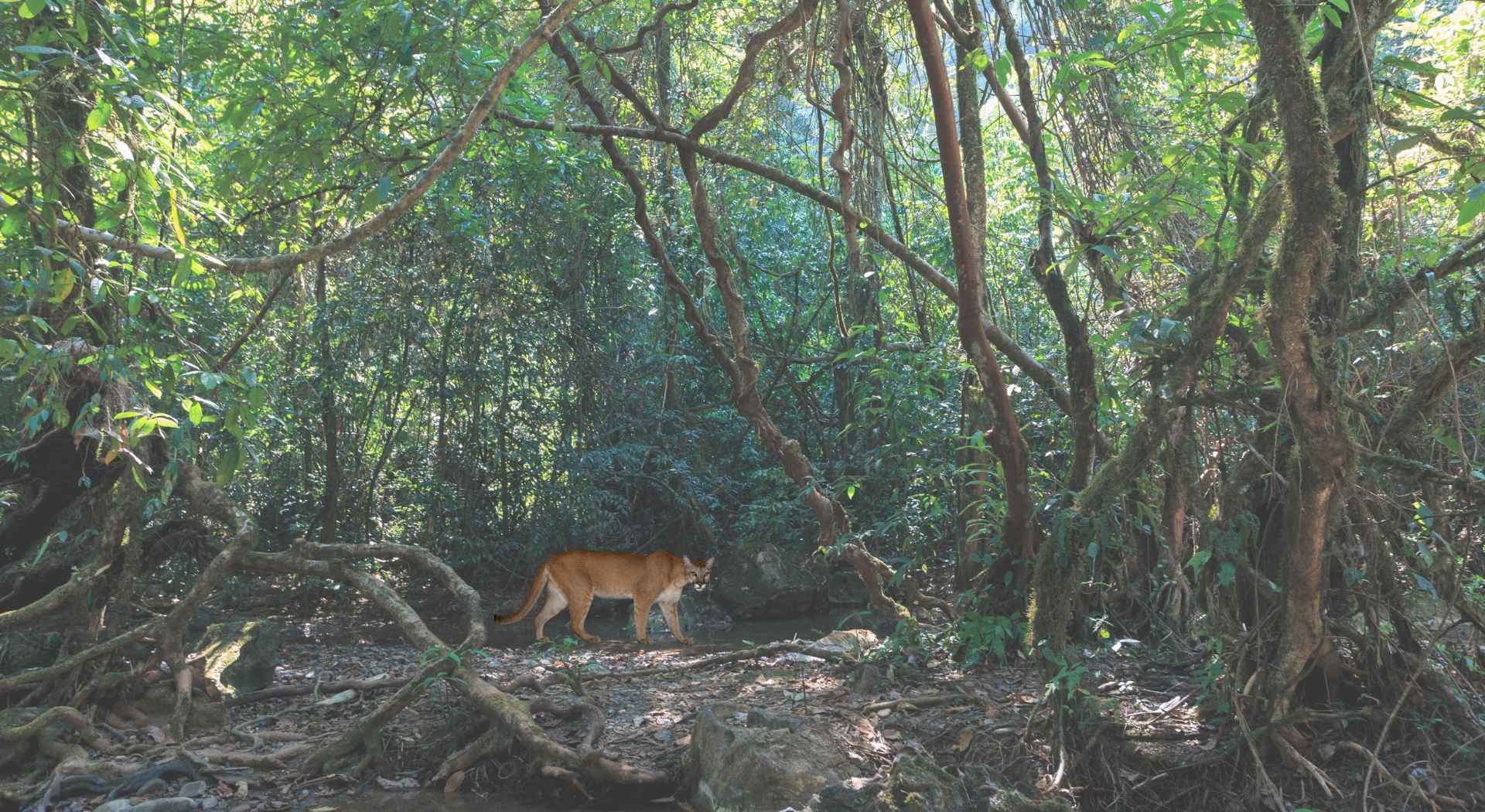
The life cycle of the Florida panther (Puma concolor coryi) is remarkable not only because it produces one of North America’s largest predators, but also because the species came perilously close to extinction. By the early 1990s, only about 20–30 adult and subadult panthers remained in the wild, and many suffered from genetic abnormalities associated with severe inbreeding. The survival of each cub therefore became critical to the future of the entire population. Today, every stage of the panther’s life cycle—from vulnerable kitten to breeding adult—plays a role in the recovery of the only breeding population of pumas east of the Mississippi River..
Data collected through radio-collaring, camera trapping, and genetic monitoring by the U.S. Fish and Wildlife Service and the Florida Fish and Wildlife Conservation Commission show that only a fraction of cubs survive to adulthood. The species exhibits a classic large-carnivore strategy: low reproductive output combined with high parental investment. The following sections outline the major life stages of the Florida panther and explain how each contributes to its role as an apex predator.
1. Birth and Early Infancy Are Defined by High Vulnerability
Florida panthers begin life after a gestation period of approximately 90–96 days, with females producing litters of 1–4 kittens, most commonly 2–3. Newborns weigh about 0.45–0.7 kg and are born blind, with blue eyes and dark-spotted coats that provide disruptive camouflage in dense understory vegetation.
For the first 6–8 weeks, cubs remain in secluded den sites—often saw palmetto thickets—where they rely entirely on maternal milk and thermoregulation through close contact. Females may relocate cubs between multiple den sites (often several per litter) to reduce predator detection risk.
Mortality is highest during this stage. Long-term field data indicate that only about 30–35% of cubs survive their first year. Predation (including black bears and adult male panthers), disease, and environmental exposure are the primary causes.
This high early mortality reflects a key life-history constraint: limited litter size combined with high energetic investment per offspring.
2. Juvenile Development Focuses on Learning and Physical Growth
At approximately 6–8 weeks of age, cubs begin leaving the den and accompanying their mother, initiating a transition from passive dependency to active learning. By 3–4 months, they regularly observe hunting attempts and begin interacting with prey remains.
Weaning occurs gradually between 9 and 12 months, although nutritional dependence continues through shared kills. During this period, cubs develop neuromuscular coordination, increasing bite force, and improved stalking precision through repeated practice.
Morphological changes are also significant: the spotted juvenile coat fades by 12–15 months, and eye color shifts from blue to yellow or amber, enhancing visual performance under low-light hunting conditions.
This extended developmental phase—lasting up to 18 months—allows the acquisition of complex ambush hunting behaviors. Unlike cursorial predators, panthers rely on stealth and short-range acceleration, which must be refined through learning rather than innate execution.
Researchers studying panther dens developed an ingenious monitoring system known as the “Biologist in a Box.” The device combined a telemetry receiver, antennas, a cellphone, and a car battery. By calling the cellphone remotely, biologists could determine whether the mother was present before approaching the den to examine kittens. During these visits, cubs were weighed, sexed, dewormed, and fitted with Passive Integrated Transponder (PIT) tags that allowed individuals to be identified throughout their lives.
3. Extended Maternal Dependency Increases Survival Probability
Florida panther cubs remain with their mother for approximately 12–18 months, one of the longest dependency periods among North American carnivores. This prolonged association improves survival probability by allowing continued behavioral and ecological learning.
During this stage, cubs acquire spatial knowledge of habitat structure, prey distribution, and safe travel corridors. These learned movement patterns are particularly important in fragmented landscapes where human infrastructure poses risks.
Energetically, maternal investment is substantial. Females must increase kill frequency to meet the combined energy demands of themselves and their offspring. However, this cost is offset by improved juvenile survival and higher post-dispersal success.
This extended care reflects a key biological principle in large felids: survival depends not only on physical development but also on the transmission of learned hunting and navigation behaviors.
The importance of this extended maternal care becomes clear when considering the panther’s hunting strategy. Unlike predators that rely on endurance chasing, Florida panthers are ambush hunters. Young panthers must learn how to stalk prey, select cover, approach undetected, and launch a short explosive attack at precisely the right moment. These skills are refined over many months of observation and practice alongside their mother.
4. Dispersal Marks the Transition to Independence
Between 18 and 24 months of age, juvenile panthers leave their mother and enter the dispersal phase, a critical bottleneck in the life cycle.
Sex-based dispersal patterns are pronounced. Males typically travel long distances—often exceeding 60 km and occasionally much farther—to locate unoccupied territories. Females tend to remain closer to their natal range, establishing smaller home ranges nearby. This pattern reduces inbreeding and facilitates gene flow. In rare cases, dispersing males travel extraordinary distances. One radio-collared Florida panther originating in Hendry County, Florida, dispersed more than 800 kilometers before being killed in Georgia near the Alabama border. Such journeys demonstrate both the remarkable mobility of young males and the challenges they face in locating suitable habitat beyond the core breeding range.
Mortality risk increases sharply during dispersal. Young individuals must hunt independently while navigating unfamiliar terrain that may include roads and developed areas. Data from USFWS and FWC indicate that vehicle collisions and intraspecific aggression are leading causes of death in this stage.
Only individuals that successfully establish territories survive to reproduce, making dispersal one of the most selective phases of the life cycle.
5. Sexual Maturity and Reproductive Entry
Female Florida panthers typically reach sexual maturity between 2 and 3 years of age, while males often mature later, generally between 3 and 4 years, due to the requirement of securing and defending territory before breeding.
Reproductive success depends on both physiological maturity and ecological factors such as prey availability and territory quality. Females may produce their first litter soon after establishing a stable home range, whereas males must compete with established adults for access to females.
Reproductive output is low: females typically produce one litter every 2–3 years. This slow reproductive rate reflects the high energetic cost of gestation, lactation, and extended parental care.
From a demographic perspective, this life-history strategy means that population growth is highly sensitive to survival rates, particularly among juveniles and breeding adults. The future of the population depends heavily on successful recruitment of young adults into the breeding population. Population viability studies have shown that survival rates of kittens and juveniles have a disproportionate influence on long-term population growth, highlighting the importance of each life stage in maintaining recovery gains.
6. Adult Panthers Function as Solitary Apex Predators
By approximately 3 years of age, Florida panthers reach full adulthood and function as solitary apex predators. Adult males maintain territories averaging around 500 km² (over 200 square miles), often overlapping with multiple female ranges, while excluding rival males.
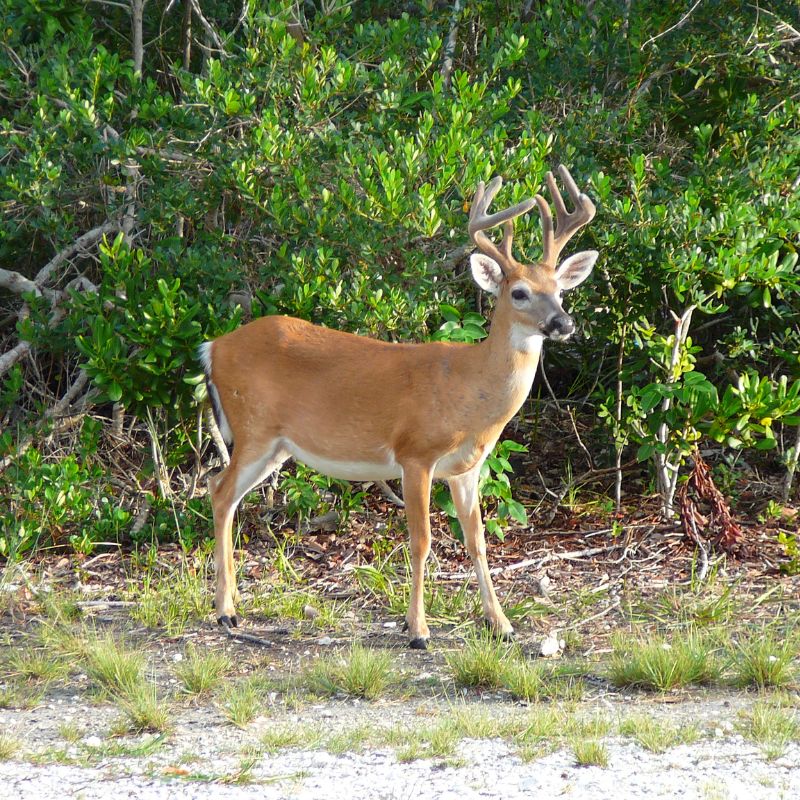
As ambush predators, they primarily prey on white-tailed deer and feral hogs, using stealth and rapid acceleration to capture prey. Their predation regulates herbivore populations and indirectly influences vegetation structure and ecosystem processes.
Territorial behavior is central to this stage. Panthers use scent marking, scraping, and vocalizations to define and defend territories. Intraspecific conflict, particularly among males, can result in serious injury or death.
Adulthood represents the culmination of earlier developmental stages, where learned hunting efficiency and territorial control determine reproductive success and longevity.
7. Lifespan, Mortality, and Life Cycle Constraints
In the wild, Florida panthers typically live 10–12 years, although some individuals may reach 15–20 years under favorable conditions. Survival across all life stages is strongly influenced by external mortality factors.
Data from USFWS and FWC indicate that vehicle collisions account for the majority of recorded deaths (often exceeding 50%), followed by intraspecific aggression, particularly among males. Disease, genetic factors, and environmental stressors also contribute.
These mortality pressures interact with low reproductive rates to constrain population growth. High cub mortality, combined with risks during dispersal and adulthood, means that only a small proportion of individuals survive to reproduce.
The effects of mortality are magnified by the panther’s slow life-history strategy. Females produce relatively few litters during their lifetime, and young remain dependent for well over a year. Because population growth depends heavily on survival, even modest increases in vehicle collisions or habitat fragmentation can have significant long-term consequences for recovery. Researchers estimate that the Florida panther population is currently viable, but continued conservation management remains essential to maintain genetic health and population stability.
This combination of life-history traits—low fecundity, high juvenile mortality, and significant adult risk—defines the overall dynamics of the Florida panther life cycle.
Did You Know?
- Florida panthers were once believed extinct and were rediscovered only in 1973.
- By the early 1990s, only about 20–30 adults remained in the wild.
- Many panthers suffered from kinked tails, heart defects, and reproductive abnormalities caused by inbreeding.
- A controversial genetic restoration program introduced eight female Texas pumas in 1995. Five successfully reproduced and helped reverse the population’s decline.
Key Takeaways
• Florida panther cub survival is low, with only about one-third reaching one year of age.
• Extended maternal care (up to 18 months) is critical for developing hunting and spatial skills.
• Dispersal is the highest-risk life stage, especially for males traveling long distances.
• Sexual maturity occurs at 2–3 years (females) and later in males due to territorial competition.
• Adults function as solitary apex predators with large territories and strong ecological influence.
• Mortality factors such as vehicle collisions and territorial conflict significantly shape life-cycle outcomes.