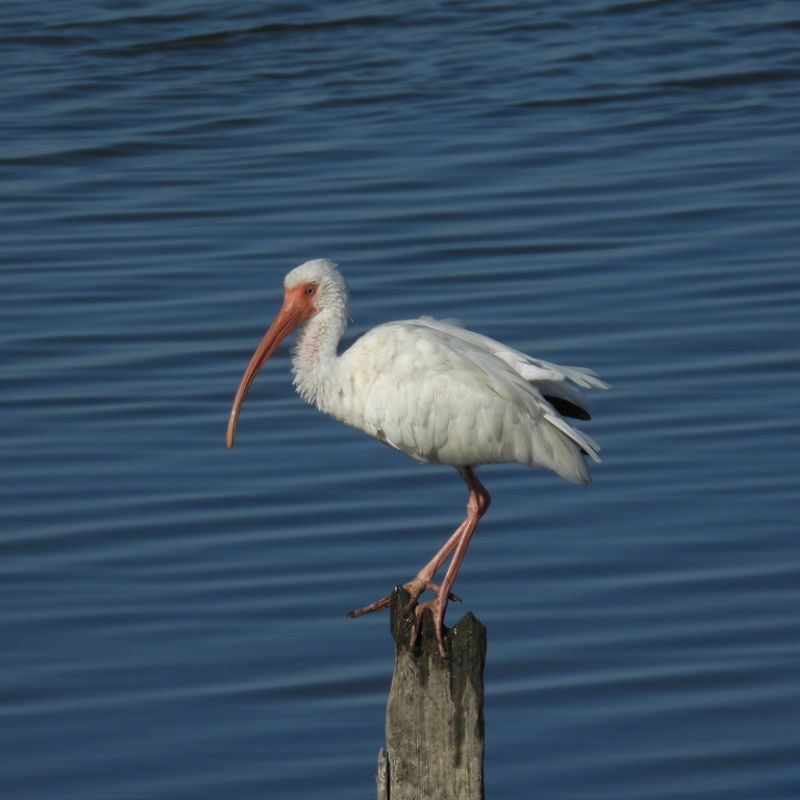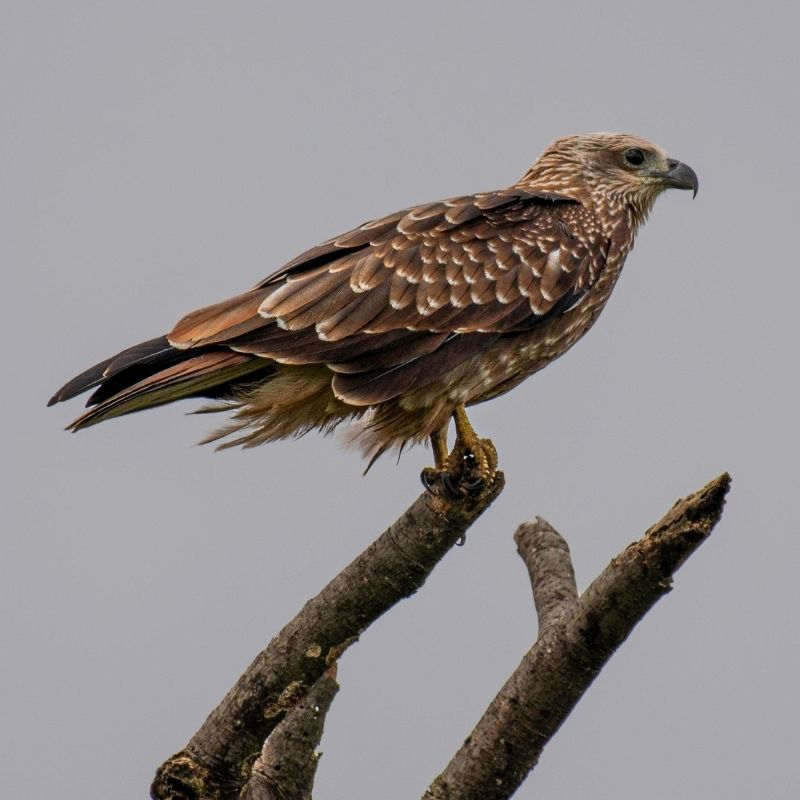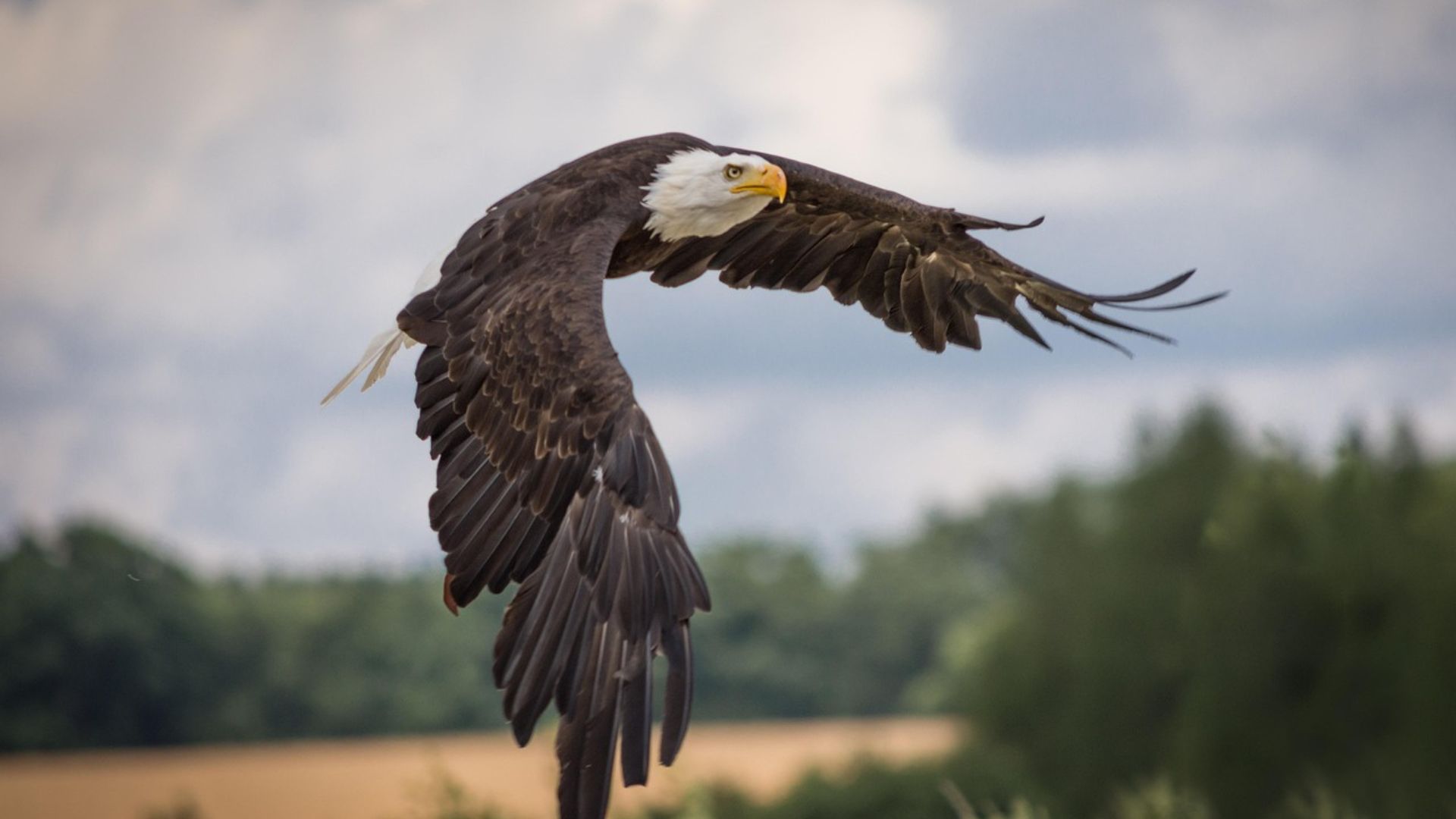
A lone osprey rises from the water, a shimmering fish locked in its talons. Seconds later, a larger shadow streaks across the sky. The bald eagle rolls inverted in a breathtaking maneuver, talons flashing upward. The fish tumbles free. The eagle rights itself and glides away victorious. To millions who witness this spectacle, it looks like bitter enmity. Yet the truth is far more elegant: two supreme hunters, bound by the same waters, playing very different roles in a shared ecosystem.
Two Paths to Mastery
Bald eagles (Haliaeetus leucocephalus) and ospreys (Pandion haliaetus) diverged evolutionarily more than 30 million years ago. The eagle joined the diverse Accipitridae family alongside hawks and kites. The osprey stands alone in Pandionidae—a living masterpiece of specialization.
“Ospreys are arguably the most perfectly adapted fish-hunting bird on Earth,” says Dr. Rob Bierregaard, osprey authority at Drexel University’s Academy of Natural Sciences. “Everything about them—the reversible toe, the spiny footpads, the closable nostrils—is built for one purpose: catching live fish.”
Bald eagles, by contrast, are supreme opportunists. As the Cornell Lab of Ornithology notes, fish may dominate their diet in summer, but they readily switch to waterfowl, carrion, or small mammals when easier meals present themselves.
Kleptoparasitism: The Art of Aerial Piracy
The mid-air theft that captivates viewers has a precise name: kleptoparasitism. It is not random bullying—it is calculated efficiency.
Research along the Chesapeake Bay and Columbia River estuary shows eagles obtain 20–60% of their fish this way during peak nesting season, when fledglings demand up to 1 kg (2.2 lb) of food daily. A single successful theft can save an eagle the energy of three or four failed dives.
Yet long-term studies reveal a surprising outcome: osprey reproductive success remains virtually unchanged even in areas saturated with eagles. “The cost to an individual osprey is real but brief,” explains Bryan Watts of the Center for Conservation Biology. “They simply dive again. Their hunting efficiency absorbs the loss.”
Precision vs. Power: A Tale of Two Hunters
| Feature | Bald Eagle | Osprey |
| Wingspan | 1.8–2.3 m (5.9–7.5 ft) | 1.5–1.8 m (4.9–5.9 ft) |
| Weight | 3–6.3 kg (6.6–14 lb) | 1.2–2.1 kg (2.6–4.6 lb) |
| Primary diet | Fish (50–90%), waterfowl, carrion | 99% live fish |
| Hunting depth | Surface to 0.5 m (1.6 ft) | Up to 1 m (3.3 ft) |
| Dive success rate | 15–30% | 70–95% |
| Daily fish requirement | 0.4–0.9 kg (0.9–2 lb) | 0.3–0.5 kg (0.7–1.1 lb) |
| Key adaptations | Massive talons, broad wings for soaring | Reversible outer toe, spiny footpads, closable nostrils |
Ospreys are the scalpel. Bald eagles are the Swiss Army knife.
Aerial Combat: Strategy Over Strength
When an eagle commits to theft, the chase becomes a masterclass in avian tactics.
Eagles exploit their superior mass and speed (up to 160 km/h / 100 mph in a stoop) to close distance rapidly. At the critical moment they execute the signature cartwheel attack—rolling fully inverted and striking upward at the osprey’s feet. Observers have clocked success rates as high as 60% when the maneuver is perfectly timed.
Ospreys counter with agility born of lighter wings. They spiral upward, jink sideways, or simply release the fish early and live to hunt again. In dense colonies, mobbing turns the tables: a dozen screaming ospreys can drive even the boldest eagle away.
Nesting Neighbors: Conflict and Unexpected Alliance
Both species crave waterfront property, yet they rarely evict each other permanently. Eagles occasionally claim large, established osprey platforms, but displaced ospreys rebuild within weeks—often within 200 m (650 ft).
A subtler benefit emerges. Great horned owls and raccoons—major osprey nest predators—avoid territories dominated by bald eagles. As Watts observes, “In many watersheds, nesting near an eagle pair is the safest place an osprey can be.”
A Shared Triumph Over DDT
In the 1960s, both raptors teetered on the brink. DDT thinned eggshells to the point of collapse. By 1963, only 417 bald eagle pairs remained in the lower 48 states. Osprey numbers crashed similarly.
The 1972 DDT ban and Endangered Species Act protections sparked one of conservation’s greatest comebacks. Today, more than 316,000 bald eagles and nearly half a million ospreys soar over North America—proof that clean water and persistent effort can heal entire food webs.
Their renewed abundance has intensified interactions, yet both populations continue to grow. Abundance, not rivalry, defines their story.
The Dance of Specialist and Opportunist
Watch an eagle and osprey share the same lake at dawn. The osprey hovers, folds its wings, and plunges like a thrown spear. The eagle circles high, conserving energy, waiting for opportunity.
Neither is villain nor victim. The osprey’s precision feeds the eagle’s opportunism. The eagle’s presence deters nest predators that would devastate osprey colonies. Together they signal something profound: the water is clean, the fish are plentiful, and the sky still belongs to wings.
In the end, they are not rivals locked in eternal combat. They are complementary forces—specialist and generalist, diver and pirate—woven into the same living tapestry. Protecting one protects both. And in their dramatic dance above the water, we glimpse the exquisite balance that only a healthy ecosystem can sustain.
Quick Facts Table
| Trait | Bald Eagle | Osprey |
| Wingspan | 1.8–2.3 m (5.9–7.5 ft) | 1.5–1.8 m (4.9–5.9 ft) |
| Weight | 3–6.3 kg (6.6–14 lb) | 1.2–2.1 kg (2.6–4.6 lb) |
| Global population (2024) | ~316,000 | ~500,000 |
| Nest weight (record) | Up to 900 kg (2,000 lb) | Usually <50 kg (<110 lb) |
| Fishing success rate | 15–30% | 70–95% |
| Unique adaptation | Can swim using wings as paddles | Reversible outer toe & closable nostrils |
References & Trusted Sources
Cornell Lab of Ornithology — Life history and behavioral ecology of the Bald Eagle and Osprey
All About Birds, allaboutbirds.orgBierregaard, R. O., et al. (2016) — Kleptoparasitism between Bald Eagles and Ospreys
Journal of Raptor ResearchWatts, B. D. (2021) — Coexistence and ecological interactions of Bald Eagles and Ospreys
Center for Conservation BiologyU.S. Fish and Wildlife Service — Bald Eagle recovery, population trends, and management
fws.gov