Introduction
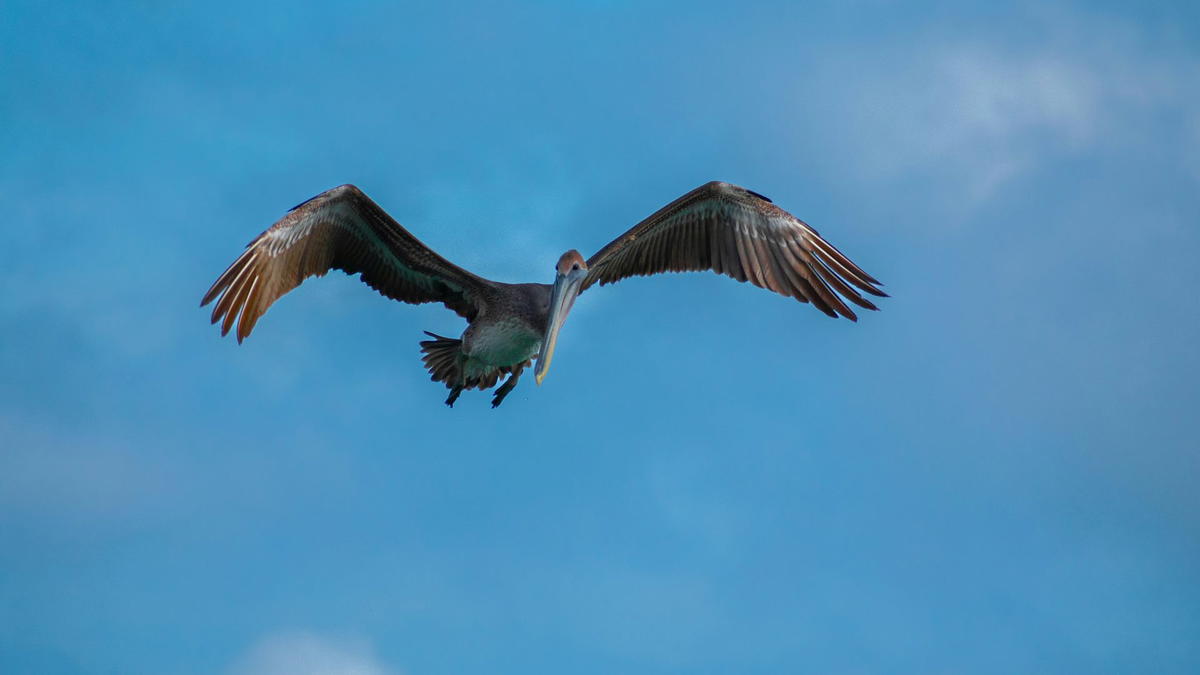
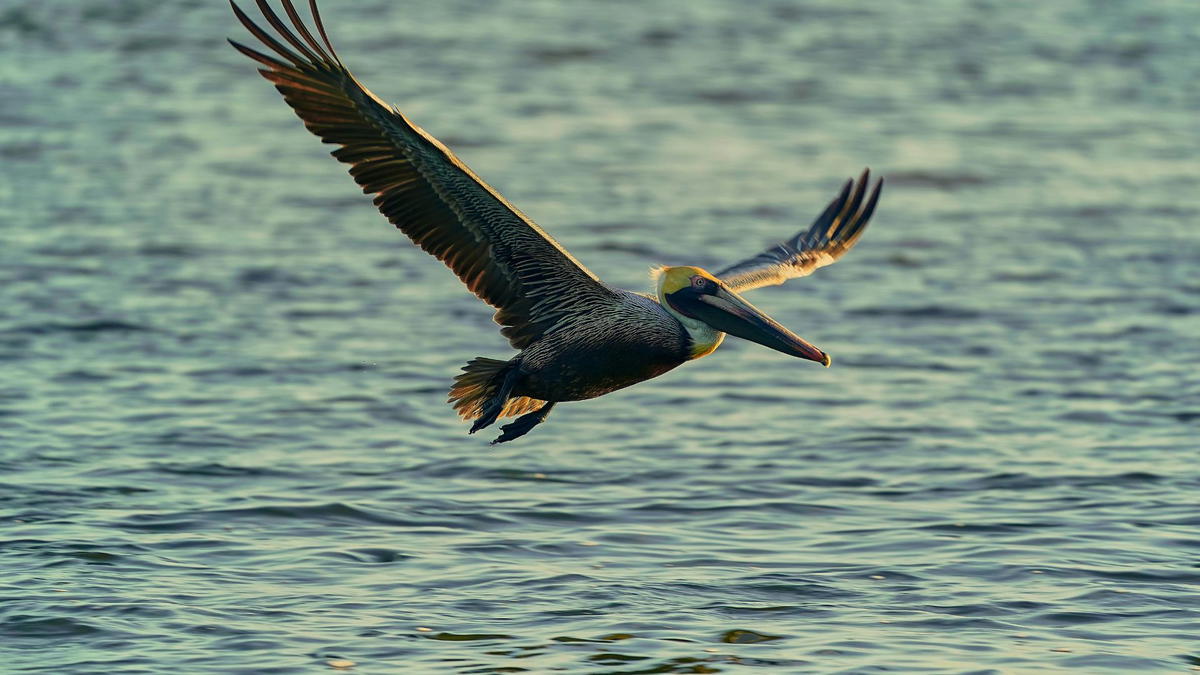
The Brown Pelican (Pelecanus occidentalis) is a coastal seabird well known for its dramatic plunge-diving behavior and large throat pouch. Because of these distinctive features and feeding strategies, pelicans have been surrounded by myths for centuries. Some misconceptions originate in medieval symbolism and folklore, while others stem from misunderstandings of pelican anatomy and behavior observed in the wild.
Modern ornithology has clarified many of these claims through field observations, anatomical research, and long-term colony monitoring conducted by institutions such as the Cornell Lab of Ornithology and the Smithsonian National Zoo. Scientific studies of pelican biomechanics, feeding behavior, and reproduction show that several widely repeated beliefs—such as how pelicans feed their chicks or use their pouches—are inaccurate.
Examining these myths provides insight into how Brown Pelican anatomy and behavior actually function. By comparing folklore with evidence from ornithological research, scientists have identified the biological mechanisms behind the bird’s feeding, diving, and breeding strategies. The following sections examine nine common myths about Brown Pelicans and explain the scientific evidence that corrects them.
1. Myth: Pelicans Store Fish in Their Pouches for Later
One of the most widespread misconceptions about pelicans is that they use their throat pouch as a storage bag for fish to eat later. In reality, the pouch—known as the gular pouch—functions as a temporary capture device rather than a food storage organ.
When a Brown Pelican plunge-dives into the ocean, its pouch expands dramatically to scoop up fish along with several liters of seawater. Measurements indicate that the pouch can hold approximately 11–13 liters (about three gallons) of water, which is several times the capacity of the bird’s stomach. Because the stomach cannot hold that volume, pelicans must remove most of the water before swallowing their prey.
After resurfacing, the pelican tilts its head downward and contracts muscles attached to the lower mandible. This action forces water out through the edges of the bill while the fish remain inside the pouch. The prey is then swallowed almost immediately.
This feeding mechanism allows pelicans to capture multiple fish during a single dive without storing food for later consumption.
2. Myth: Pelicans Feed Their Chicks With Blood From Their Breast
A long-standing legend claims that pelicans feed their young by piercing their own breast and offering blood. This belief originated in medieval European religious symbolism, where pelicans were portrayed as symbols of sacrifice.
Modern ornithological research shows that this idea has no biological basis. Brown Pelicans feed their chicks through regurgitation, a feeding method common among seabirds. Adult pelicans swallow fish and partially digest them in the stomach. When feeding chicks, the adult bends forward and regurgitates the softened fish into the nest.
Young pelicans place their bills deep into the parent’s pouch or throat to retrieve the food. To observers unfamiliar with seabird feeding behavior, this posture may appear unusual and may have contributed to the historical myth.
Field observations documented by the Cornell Lab of Ornithology confirm that regurgitation is the normal feeding strategy used by Brown Pelican parents.
3. Myth: Pelicans Go Blind From Hitting the Water
Because Brown Pelicans dive into the ocean from heights of 10–20 meters (about 30–70 feet), some people assume that repeated impacts could damage their eyes. However, pelicans possess several anatomical adaptations that protect them during plunge dives.
One important feature is the nictitating membrane, a translucent third eyelid that slides across the eye just before the bird enters the water. This membrane protects the cornea from debris and pressure while still allowing limited vision.
Brown Pelicans also have subcutaneous air sacs beneath the skin of the chest and neck. These air-filled structures compress during impact and distribute the force of the collision across the body, reducing stress on the skull and neck.
Together, these adaptations allow pelicans to perform hundreds of plunge dives during their lifetime without damaging their vision.
4. Myth: Brown Pelicans Mate for Life
Many bird species are popularly believed to form lifelong pair bonds, and pelicans are often assumed to behave the same way. In reality, Brown Pelicans typically form seasonal monogamous pairs rather than permanent ones.
During the breeding season, males perform courtship displays that include head movements, bill clapping, and changes in pouch coloration. If a female accepts the display, the pair cooperates to build a nest and raise chicks during that breeding cycle.
Once the breeding season ends, the pair bond usually dissolves. When the next breeding season begins, both individuals may select new mates within the colony.
This flexible pairing system allows pelicans to choose partners based on current breeding conditions and individual fitness rather than maintaining lifelong bonds.
5. Myth: All Pelicans Are White
Another common misconception is that pelicans are universally white birds. This belief likely comes from familiarity with species such as the American White Pelican (Pelecanus erythrorhynchos).
The Brown Pelican has a noticeably darker appearance. Outside the breeding season, adults typically display gray-brown body plumage, a pale head, and a darker neck. During breeding season the coloration changes, with yellow tones appearing on the crown and deeper chestnut coloring developing along the neck.
Among the eight recognized pelican species worldwide, coloration varies considerably. The Brown Pelican and the closely related Peruvian Pelican (Pelecanus thagus) are also the only pelicans that regularly capture prey by aerial plunge-diving.
These differences illustrate the ecological diversity within the pelican family (Pelecanidae).
6. Myth: Pelican Chicks Are Born Fully Feathered
Some people assume that large seabirds hatch with well-developed feathers and independence. In reality, Brown Pelican chicks hatch in a very vulnerable condition.
Newly hatched chicks are naked, pink, and largely immobile, lacking insulating feathers. During the first several weeks of life they are entirely dependent on their parents for warmth and food.
Within approximately 3–4 weeks, the chicks begin developing a covering of gray down feathers. These are gradually replaced by juvenile plumage as the birds grow.
Because chicks remain in nests for several weeks before fledging, continuous parental feeding and brooding are essential for survival during this early developmental stage.
7. Myth: Pelicans Only Eat Fish
Although Brown Pelicans primarily feed on fish, their diet is somewhat more varied than many people assume. Their main prey consists of schooling fish such as anchovies, sardines, herring, and menhaden.
However, dietary observations by seabird researchers indicate that pelicans occasionally consume other prey when available. These may include crustaceans, small marine invertebrates, or amphibians in coastal environments.
In rare cases, pelicans have also been observed capturing small birds. These events are uncommon and generally opportunistic rather than a regular feeding strategy.
This limited dietary flexibility allows pelicans to cope with seasonal fluctuations in fish availability within coastal ecosystems.
8. Myth: Pelican Pouches Are Weak and Easily Torn
The pelican’s pouch appears thin and delicate, which sometimes leads observers to assume it tears easily. In reality, the gular pouch is a highly specialized structure designed for repeated expansion.
The pouch consists of elastic skin supported by connective tissue containing collagen and elastin fibers. These materials allow the pouch to stretch dramatically without structural damage.
During feeding, the pouch may expand to hold up to three gallons of water and fish—approximately two to three times the capacity of the pelican’s stomach. After the dive, muscles in the pouch contract to expel water before the fish are swallowed.
This combination of elasticity and strength allows pelicans to repeatedly capture large volumes of water and prey without tearing the pouch.
9. Myth: Brown Pelicans Dive Deep Underwater
Because Brown Pelicans plunge into the ocean from considerable heights, some people assume they pursue prey deep underwater like cormorants or penguins. In reality, pelicans are not deep divers.
The same air sacs that cushion the impact of dives also make the birds highly buoyant. After entering the water, these air sacs reinflate and cause the pelican to float rapidly back to the surface.
As a result, most prey capture occurs within the upper few feet of the water column, where schools of fish often gather near the surface.
Rather than chasing prey underwater, pelicans rely on the speed and force of their plunge dive to trap fish immediately upon impact.
Key Takeaways
• The pelican’s gular pouch functions as a capture net rather than a food storage container.
• Medieval stories about pelicans feeding their young with blood are myths; chicks are fed through regurgitation.
• Specialized anatomy—including air sacs and a protective nictitating membrane—prevents injury during plunge dives.
• Brown Pelicans form seasonal breeding pairs rather than lifelong monogamous bonds.
• The gular pouch is structurally strong and elastic, capable of holding several gallons of water during feeding.
• Despite dramatic dive heights, pelicans capture prey near the surface rather than diving deeply underwater.
References
• Cornell Lab of Ornithology – Birds of the World / All About Birds
• Smithsonian National Zoo & Conservation Biology Institute
• U.S. Fish and Wildlife Service (USFWS)