Introduction
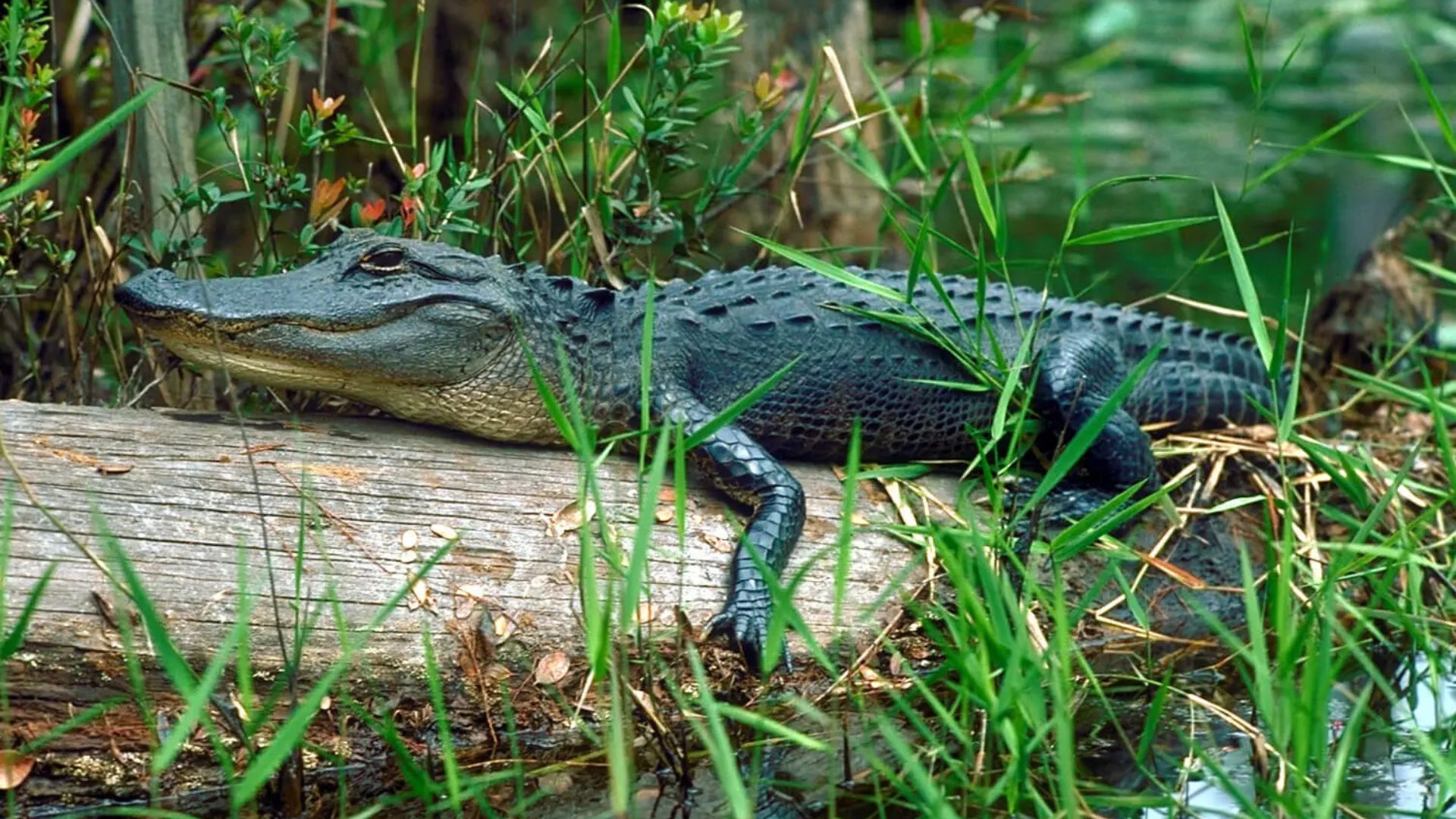
The American alligator (Alligator mississippiensis) is widely known as a powerful predator, yet ecological research shows it also plays a crucial role in supporting other species. Wildlife biologists often describe alligators as ecosystem engineers, meaning their natural behaviors physically modify habitats in ways that benefit many other organisms. In wetlands across the southeastern United States—and in a similar ecological role played by the Chinese alligator (Alligator sinensis)—alligators influence water availability, vegetation structure, and predator–prey dynamics.
Long-term ecological studies in systems such as the Florida Everglades and Gulf Coast wetlands show that alligator activity can significantly shape habitat conditions used by fish, birds, reptiles, amphibians, and mammals. Research conducted by agencies including the U.S. Geological Survey (USGS) and the Florida Fish and Wildlife Conservation Commission (FWC) has documented how behaviors such as digging, nest building, and movement through wetlands alter hydrology and habitat structure.
For example, the excavation of “alligator holes” creates permanent water refuges that sustain aquatic life during seasonal droughts. Understanding these ecological contributions is important because the presence of alligators often signals a functioning wetland ecosystem. The following twelve examples highlight how alligator behavior unexpectedly supports biodiversity and helps many other species survive in dynamic wetland environments.
1. Creating “Gator Holes” That Store Water
One of the most well-documented ways alligators help other species is through the creation of alligator holes, shallow depressions excavated in wetland soils. During dry seasons, alligators use their snouts, claws, and powerful tails to dig these pits in mud or peat substrates.
These holes often measure 3–6 meters (10–20 feet) across and more than a meter deep, allowing them to retain water long after surrounding marshes begin to dry. Long-term monitoring in Everglades wetlands shows that gator holes can remain filled even during extended dry periods because their depth reaches saturated soil layers.
Fish, amphibians, turtles, and aquatic invertebrates concentrate in these refuges, dramatically increasing survival during seasonal droughts. When seasonal rains return and wetlands refill, these organisms disperse outward and help repopulate surrounding habitats.
Because they maintain water availability during drought, alligator holes function as small aquatic reservoirs that stabilize wetland ecosystems and prevent large-scale die-offs of aquatic species.
2. Providing Drought Refuges for Aquatic Life
Beyond simply storing water, alligator holes function as critical drought refuges for many aquatic organisms.
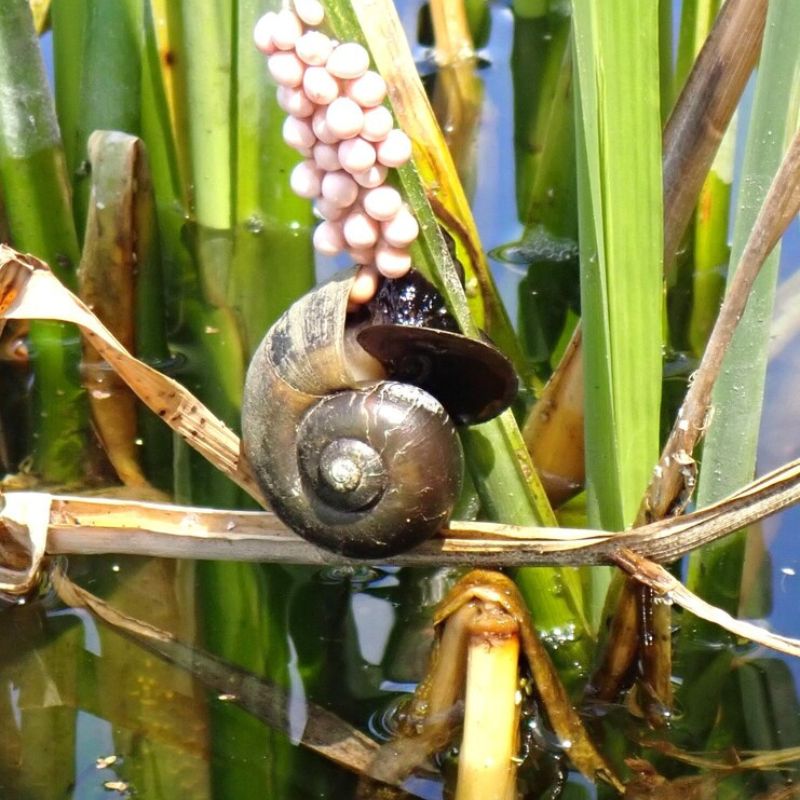
In the Everglades and other seasonal wetlands, water levels can fluctuate dramatically between wet and dry seasons. When shallow marsh areas dry, organisms such as fish, frogs, snails, crayfish, and aquatic insects retreat into deeper water pockets.
Alligator holes provide these refuges. Field surveys have shown that aquatic biodiversity inside these holes can be several times higher than in surrounding dried marsh areas during drought periods.
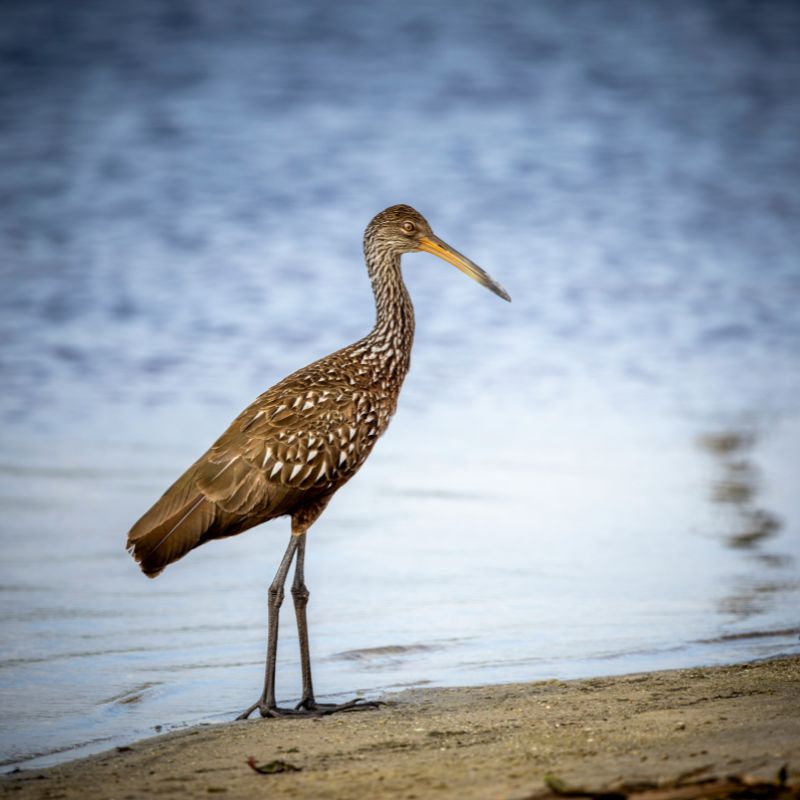
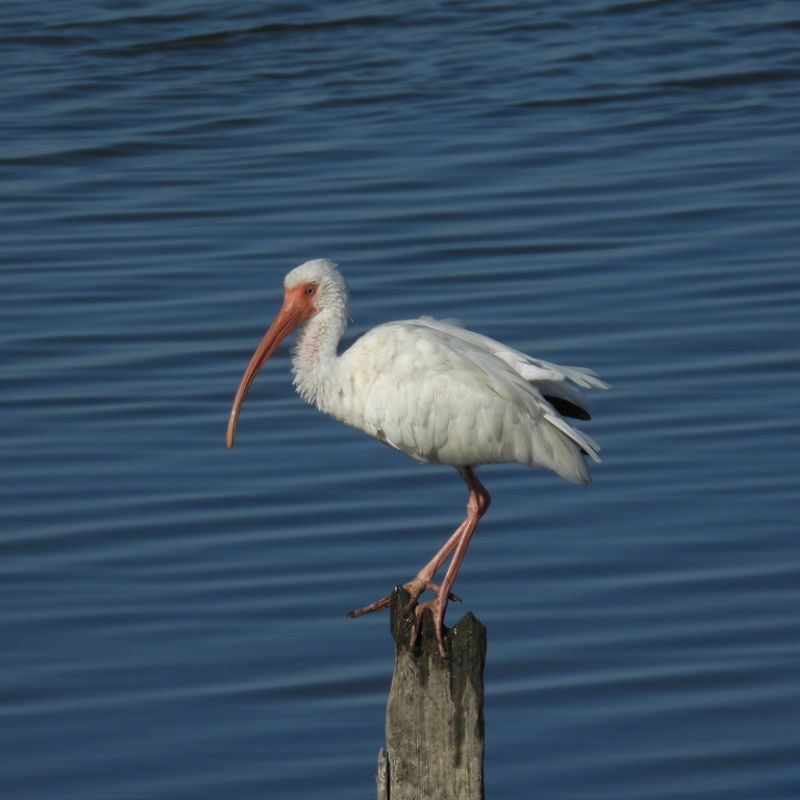
This concentration of prey also attracts wading birds such as herons, egrets, and ibises, creating feeding hotspots that support higher trophic levels in the ecosystem.
By maintaining water microhabitats during harsh conditions, alligators indirectly sustain entire food webs that depend on aquatic organisms.
3. Building Nest Mounds Used by Other Animals
Female alligators construct large mound nests made from vegetation, soil, and mud. These nests typically measure 1–2 meters in diameter and up to about a meter high and generate heat through microbial decomposition of plant material, which incubates the eggs.
After hatchlings emerge, the abandoned nest mounds remain as elevated patches of dry ground within marsh environments.
In wetlands where suitable nesting sites are limited, these mounds become valuable habitat for other animals. Turtles, snakes, and small mammals have been observed using abandoned alligator nests as nesting or resting sites.
The elevated, well-drained substrate provides incubation conditions similar to those preferred by reptiles, especially in flood-prone wetlands.
By creating elevated structures within otherwise saturated landscapes, alligators inadvertently expand the availability of safe breeding areas for multiple species.
4. Maintaining Open Habitat in Wetlands
Alligator activity can strongly influence the physical structure of wetland vegetation. When excavating holes or constructing nests, they remove dense plant growth and disturb soil surfaces.
This disturbance prevents wetlands from becoming uniformly overgrown with dense plant mats such as sawgrass or cattails. Instead, it produces a mosaic of open water, vegetated marsh, and exposed mud banks, which increases habitat diversity.
Many aquatic plants, invertebrates, amphibians, and fish thrive in these mixed habitats. Open-water patches created by alligators also provide feeding areas for waterbirds and access points for aquatic predators.
Ecological surveys in the Everglades show that wetlands containing active alligator populations often display greater habitat heterogeneity, which supports a wider variety of species compared with areas lacking these disturbances.
5. Controlling Certain Invasive Species
As apex predators, alligators can help regulate populations of some invasive animals that threaten wetland ecosystems.
In Gulf Coast wetlands, including parts of Louisiana, alligators sometimes prey on nutria (Myocastor coypus), a large semi-aquatic rodent introduced from South America. Nutria feed heavily on marsh vegetation and can cause severe wetland degradation through overgrazing.
Although alligators are not the sole control mechanism for nutria populations, predation pressure can contribute to limiting their numbers in certain habitats.
By consuming invasive herbivores and other opportunistic species, alligators indirectly help protect wetland vegetation that stabilizes soils and supports many native organisms.
6. Enhancing Nutrient Circulation in Wetlands
Alligators frequently move between aquatic habitats such as marsh pools, channels, and floodplain waters. These movements contribute to nutrient redistribution within wetland ecosystems.
When alligators feed in one location and defecate in another, they transport nutrients—particularly nitrogen and phosphorus—between areas. These nutrients fertilize aquatic plants and microscopic algae that form the base of the food web.
In addition, digging activities and movement through sediments can stir organic material from the bottom of shallow wetlands. This process helps mix nutrients into the water column.
Although subtle, this constant movement and disturbance contributes to maintaining productivity in wetland ecosystems that support fish, amphibians, and aquatic invertebrates.
7. Supporting Predators Through Egg and Hatchling Predation
Although alligators are apex predators, their eggs and hatchlings provide important seasonal food resources for other animals.
Alligator nests typically contain 20–50 eggs, many of which are consumed by predators such as raccoons, snakes, birds, and feral hogs.
Even after hatching, juvenile alligators—usually about 20–25 centimeters (8–10 inches) long—remain vulnerable to predators including wading birds, large fish, turtles, and larger reptiles.
This natural mortality transfers energy from alligator reproduction into the broader wetland food web.
By providing these periodic food resources, alligators indirectly support predator populations that are also integral components of wetland ecosystems.
8. Protecting Wading Bird Colonies
An unusual ecological relationship exists between alligators and many species of wading birds.
Birds such as herons, egrets, and ibises often nest in trees located above water bodies inhabited by alligators. The presence of large reptiles below discourages mammalian predators such as raccoons from approaching the nesting trees.
Raccoons are strong climbers but must enter the water to reach these nesting sites, where they risk encountering alligators. As a result, many avoid these areas.
This deterrence increases the survival rate of bird eggs and chicks, improving breeding success for nesting colonies.
In return, fallen chicks or food scraps occasionally provide additional food resources for the alligators below.
9. Dispersing Seeds Through Diet
Although traditionally considered strict carnivores, research has shown that alligators occasionally consume fruits and plant material.
Analyses of stomach contents and fecal samples have identified plant material from species such as wild grapes, elderberries, and other wetland fruits.
Seeds consumed by alligators may pass through the digestive tract and be deposited in new locations through feces.
Because adult alligators can move across large wetland territories, this process may transport seeds across considerable distances.
This form of endozoochory (seed dispersal through animal digestion) contributes to plant colonization and helps maintain plant diversity within wetland landscapes.
10. Increasing Wetland Resilience During Drought
Wetland ecosystems frequently experience seasonal droughts that threaten aquatic communities.
By maintaining deep water pockets such as gator holes, alligators create persistent aquatic refuges that remain available even when surrounding wetlands dry.
These refuges allow fish, amphibians, and aquatic invertebrates to survive drought periods instead of disappearing from the ecosystem entirely.
When seasonal rains return, surviving organisms quickly recolonize flooded marshes and restore ecological communities.
Ecologists describe this process as improving ecosystem resilience, meaning the capacity of an ecosystem to recover after environmental disturbance.
Alligator-created habitats therefore help maintain long-term stability in wetland ecosystems.
11. Stabilizing Food Web Dynamics
Alligators occupy the top tier of wetland food webs and influence prey populations through predation.
By feeding on animals such as fish, turtles, birds, and mammals, they prevent certain species from becoming overly abundant.
This regulation maintains balanced predator–prey relationships and supports biodiversity across multiple trophic levels.
For instance, controlling populations of large fish or mammals can reduce pressure on smaller prey species and aquatic vegetation.
Ecologists often refer to this ecological influence as top-down regulation, in which apex predators help maintain stability and diversity within ecosystems.
12. Acting as Indicators of Wetland Health
Healthy alligator populations often indicate functioning wetland ecosystems.
Because alligators require clean water, stable habitat, and abundant prey, their presence signals that ecological conditions support complex food webs.
Wildlife managers frequently monitor alligator populations as part of ecosystem assessment programs. Agencies such as the U.S. Geological Survey and state wildlife departments track population trends, nesting success, and body condition.
Declines in alligator numbers can signal habitat degradation or water-quality problems, while stable populations often reflect healthy wetlands.
For this reason, alligators serve as valuable biological indicators that help scientists evaluate ecosystem health and guide conservation planning.
🔎 Key Takeaways
• Alligators function as ecosystem engineers, shaping wetlands through behaviors such as digging holes and building nests.
• Alligator holes retain water during droughts and provide essential refuges for fish, amphibians, and aquatic invertebrates.
• Abandoned nesting mounds create elevated sites used by reptiles and small animals for breeding or shelter.
• Wading birds often nest near alligators because the reptiles deter mammalian predators like raccoons.
• Alligators contribute to nutrient cycling, seed dispersal, and food-web regulation in wetland ecosystems.
• Healthy alligator populations often indicate stable, biologically productive wetlands.
References
- U.S. Geological Survey (USGS)
- Florida Fish and Wildlife Conservation Commission (FWC)
- Smithsonian Institution