Introduction
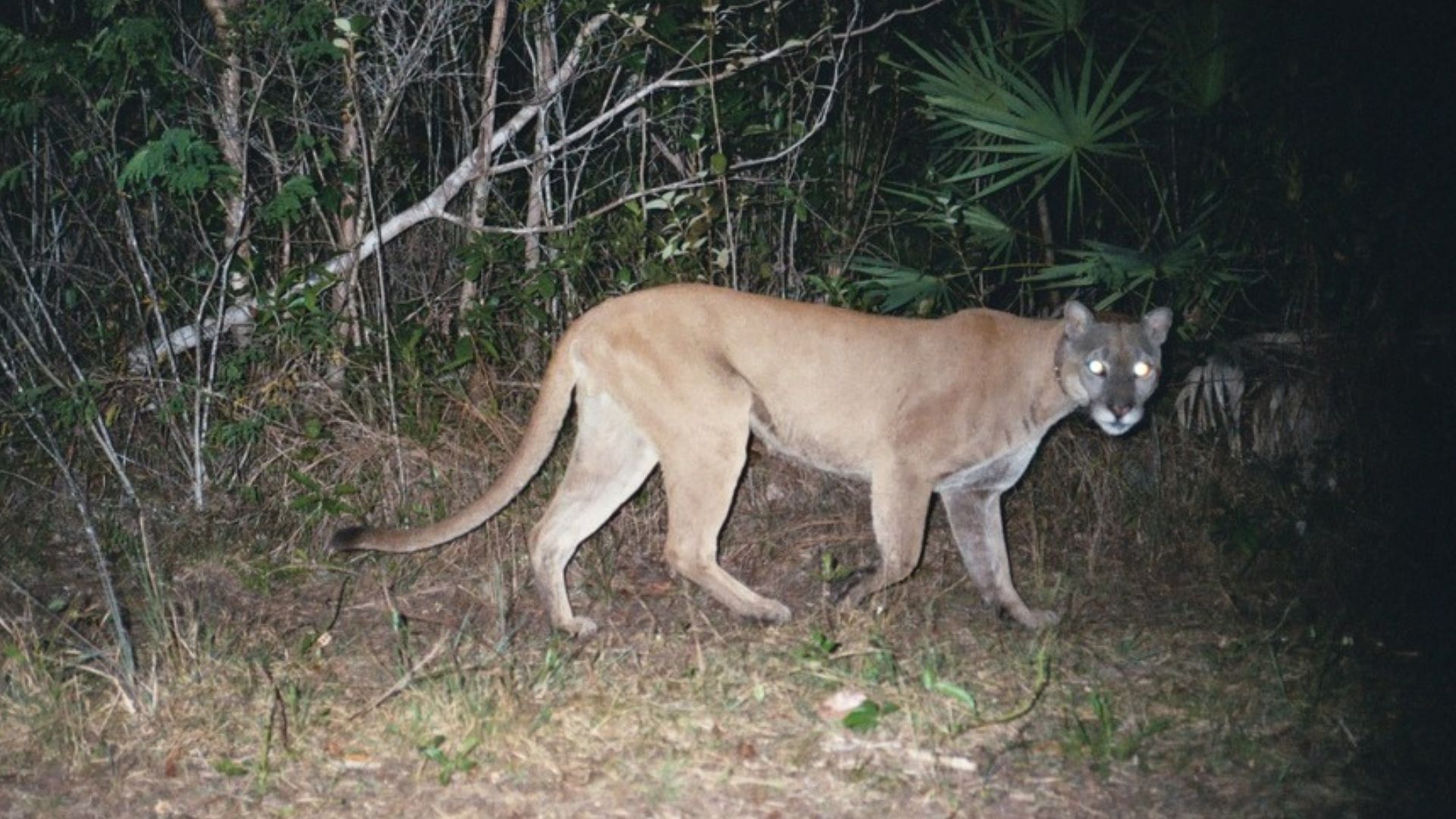
The Florida panther (Puma concolor coryi) is an obligate carnivore whose diet is shaped by energetic demands, prey availability, and landscape structure. As a large ambush predator, it depends on high-calorie prey to sustain long daily movements, territorial defense, and reproduction. Understanding what Florida panthers eat in the wild is scientifically important because prey selection directly influences survival rates, reproductive success, and predator–prey dynamics across South Florida ecosystems.
Field data from the U.S. Fish and Wildlife Service (USFWS) and the Florida Fish and Wildlife Conservation Commission (FWC), including scat analysis and GPS-collared kill-site studies, show that panthers rely predominantly on medium- to large-bodied mammals—especially white-tailed deer and feral hogs. Together, these prey often account for roughly 70–85% of total consumed biomass. However, panthers remain opportunistic and regularly supplement their diet with smaller mammals and other available prey. This balance between specialization and flexibility allows them to persist in fragmented habitats with fluctuating prey populations.
1. White-Tailed Deer Form the Core of the Diet
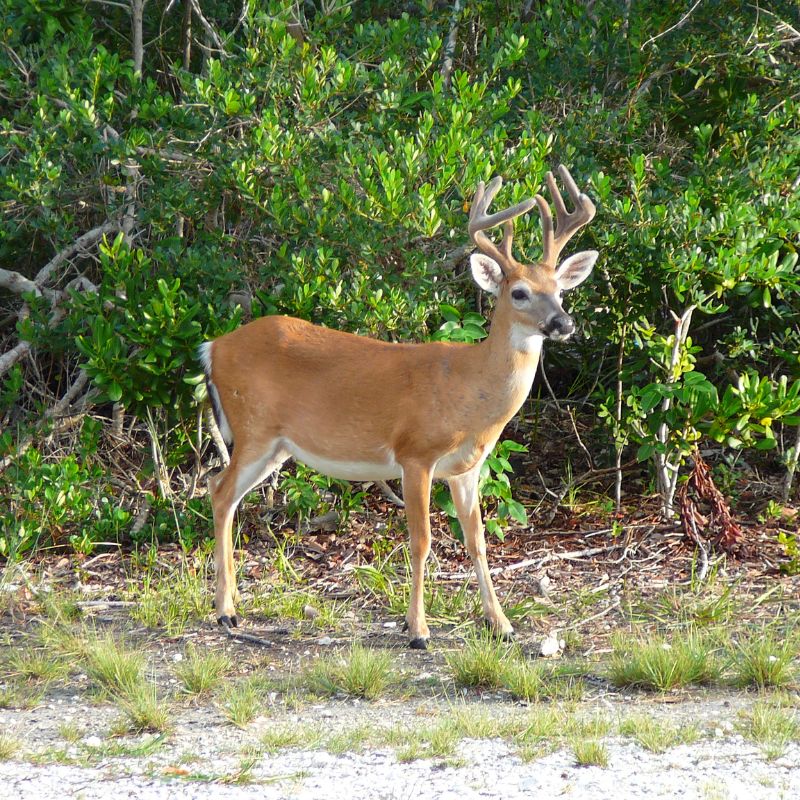
White-tailed deer (Odocoileus virginianus) are the primary prey of Florida panthers and typically represent the largest share of consumed biomass. Long-term dietary studies indicate that deer alone can account for approximately 50–70% of total intake.
This preference is driven by energetic efficiency. Adult deer weighing 45–90 kg provide large quantities of meat, allowing a panther to feed for several days from a single successful hunt. Panthers kill deer using a suffocating bite to the throat or muzzle, collapsing the airway or compressing major blood vessels.
From a biomechanical perspective, the panther’s forelimb strength, retractable claws, and long canines are adapted for gripping and subduing ungulates. Targeting deer minimizes hunting frequency, reducing cumulative energy expenditure and injury risk. This reliance also influences spatial ecology, as panthers tend to occupy habitats with stable deer densities documented by FWC monitoring programs.
2. Feral Hogs Are a Major Secondary Prey
Feral hogs (Sus scrofa) are a significant secondary prey species and can contribute 15–30% of dietary biomass depending on region and season. In some habitats, hog consumption approaches that of deer.
Hogs provide substantial caloric value—often exceeding 100 kg in large individuals—but are more dangerous to hunt due to tusks and thick dermal layers. Panthers typically target juveniles or subadults to reduce injury risk. The attack sequence mirrors deer predation: a short-distance ambush followed by a powerful neck bite.
From an ecological standpoint, hog predation has broader significance. As an invasive species in Florida, feral hogs disrupt vegetation and soil systems. Panther predation can locally suppress hog populations, indirectly influencing ecosystem processes. This demonstrates how prey selection is not only energetically driven but also ecologically consequential.
3. Small and Medium Mammals Supplement the Diet
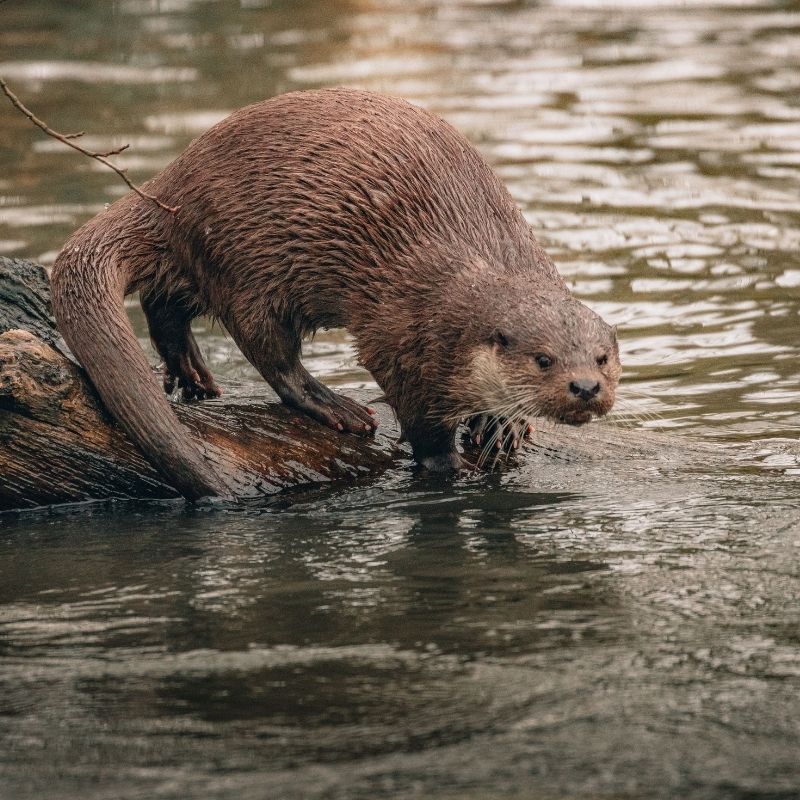
Florida panthers also rely on a wide range of small and medium-sized mammals to supplement their diet. Common prey includes the raccoon (Procyon lotor), nine-banded armadillo (Dasypus novemcinctus), Virginia opossum (Didelphis virginiana), marsh rabbit (Sylvilagus palustris), eastern cottontail (Sylvilagus floridanus), and small rodents such as cotton rats and other native mice and rats. Together, these smaller prey species typically contribute around 10–20% of diet frequency, although they account for less than 15% of total prey biomass.
Although each animal provides fewer calories than a white-tailed deer or feral hog, these species become especially important when larger ungulates are scarce. A Florida panther may capture several smaller animals in a short period to meet its energy needs. Hunting prey such as raccoons, rabbits, opossums, and armadillos also involves less physical risk and shorter pursuit distances, making them valuable fallback resources.
This flexibility shows how adaptable Florida panthers are as predators. They can shift from powerful ambushes on deer and hogs to quick, low-energy captures of smaller mammals. Their strong jaws and sharp carnassial teeth allow them to process a variety of prey, including tough or hard-bodied animals such as the nine-banded armadillo.
By feeding on animals like raccoons, marsh rabbits, Virginia opossums, eastern cottontails, and cotton rats, Florida panthers reduce their dependence on any single prey source. This dietary flexibility helps buffer the population against fluctuations in deer or hog availability, a pattern confirmed in FWC studies following regional prey declines.
4. Birds and Small Vertebrates Are Opportunistic Additions
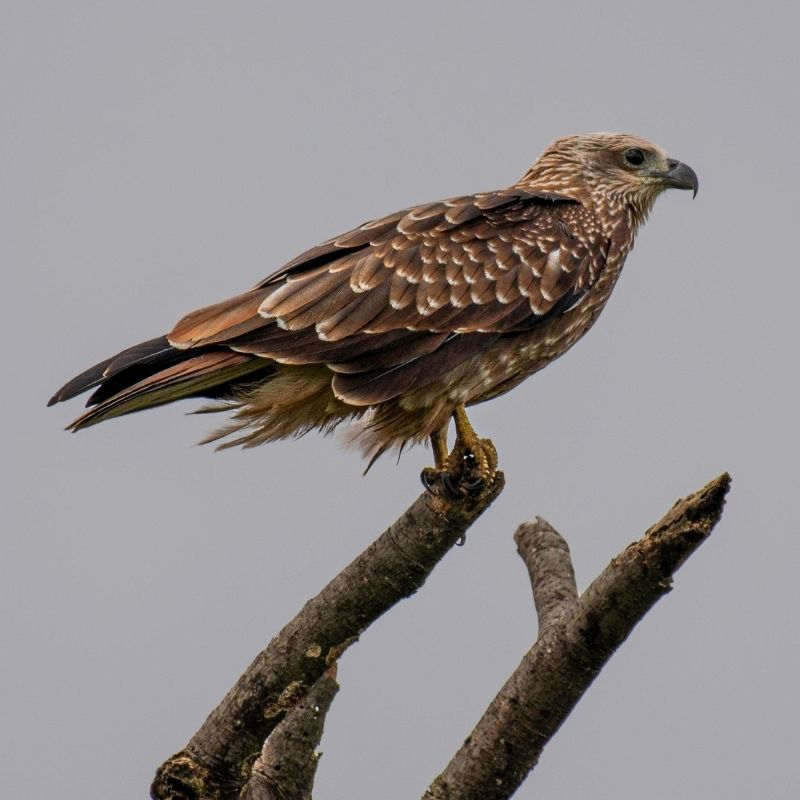
Florida panthers occasionally consume birds, reptiles, amphibians, and other small non-mammalian prey, although these animals make up only a minor part of their overall diet. They are usually taken when easily available rather than actively targeted as primary prey.
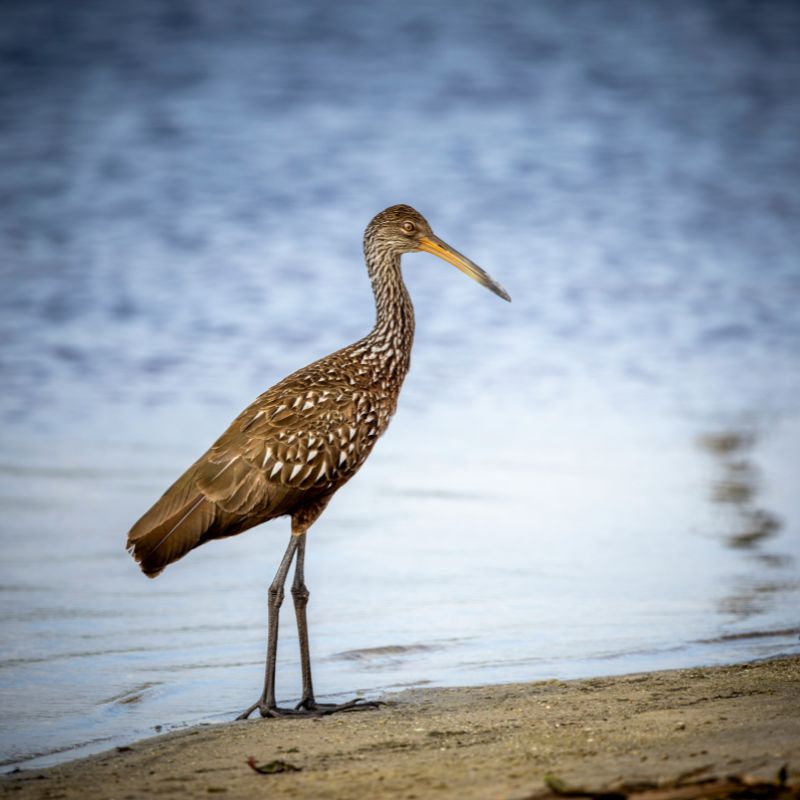
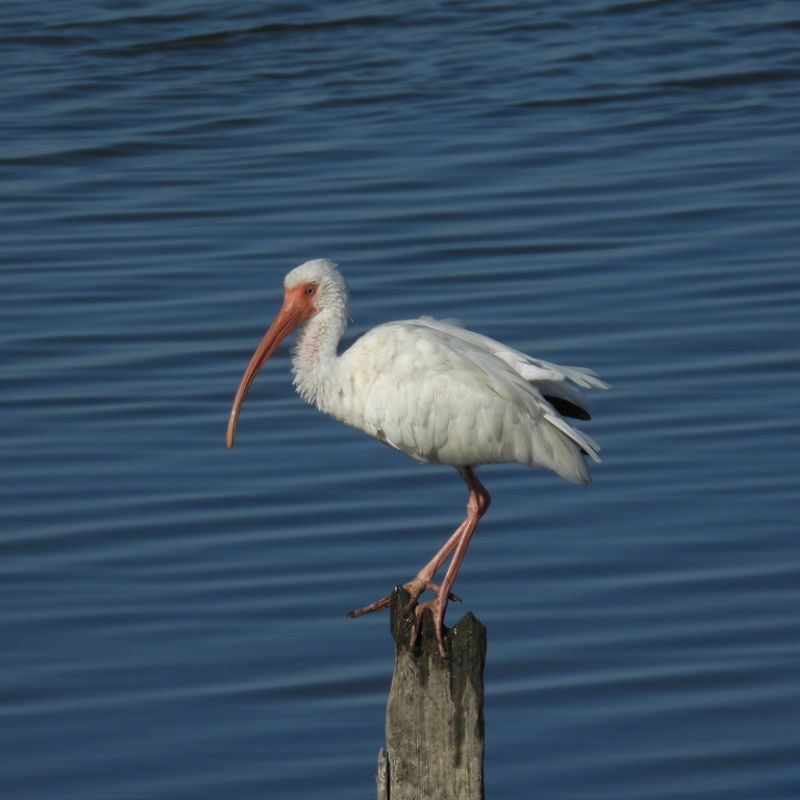
Birds may be captured when they are grounded, injured, nesting, or roosting in dense vegetation. In South Florida, potential bird prey may include species such as the wild turkey (Meleagris gallopavo), northern bobwhite (Colinus virginianus), limpkin (Aramus guarauna), American white ibis (Eudocimus albus), and other ground-foraging or wetland birds encountered during normal hunting movements.
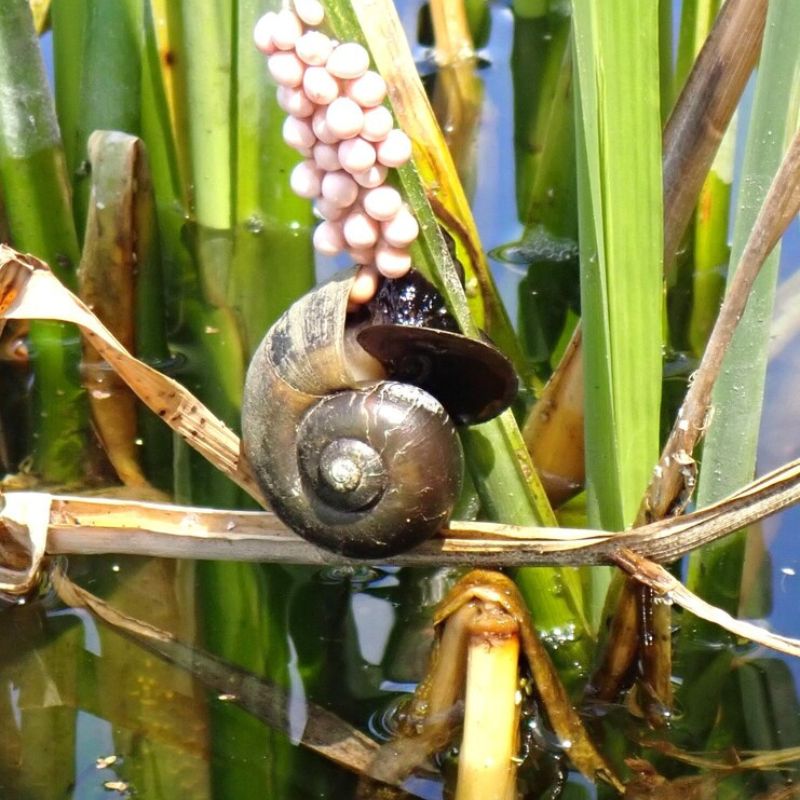
Reptiles and amphibians may also be eaten in wetlands, marsh edges, cypress swamps, and prairie habitats. Young alligators, turtles, snakes, southern leopard frogs (Lithobates sphenocephalus), and other small aquatic or semi-aquatic animals can provide quick meals when the opportunity arises.
These prey types contribute little to total biomass compared with white-tailed deer, feral hogs, or medium-sized mammals. However, they show how Florida panthers use a broad prey spectrum across forests, wetlands, and prairies. This behavior reflects adaptive flexibility rather than dependence on birds, reptiles, or amphibians as major food sources.
5. Panthers Occasionally Prey on Reptiles and Unusual Targets
Florida panthers have been documented preying on reptiles, including juvenile American alligators (Alligator mississippiensis), though such events are rare (typically <5% of dietary records).
Capturing reptiles requires different tactics than mammalian prey. Panthers may attack smaller alligators on land, targeting the skull or neck to avoid the jaws. These encounters involve higher risk and are therefore infrequent.
Occasional predation on atypical prey demonstrates behavioral flexibility. Panthers assess risk versus reward, selecting such prey only under favorable conditions.
Scientifically, this behavior illustrates adaptive foraging strategies that allow apex predators to exploit a wider ecological niche without relying heavily on high-risk prey types.
6. Livestock and Pets Are Taken When Natural Prey Is Limited
Florida panthers may occasionally prey on livestock or domestic animals, particularly in areas where natural prey density is reduced or where habitats overlap with human land use.
Data from USFWS and FWC indicate that livestock predation constitutes a very small proportion of total diet (generally <2% statewide), though it may be locally higher near agricultural zones. Domestic animals are easier to capture due to reduced vigilance compared to wild prey.
This behavior reflects opportunistic feeding rather than preference. Panthers consistently favor wild prey when available, but will switch to alternative sources to meet energetic needs.
Understanding this dynamic is important for wildlife management, as it links prey availability, habitat fragmentation, and human–wildlife conflict patterns.
7. Panthers Consume and Cache Large Kills Over Several Days
After killing large prey such as deer or hogs, Florida panthers typically drag the carcass to cover and cache it using vegetation, soil, or debris. This behavior allows repeated feeding over multiple days.
An adult panther may consume approximately 6–9 kg of meat per feeding bout and remain at a carcass for 2–4 days. Annual energy requirements are estimated at the equivalent of 35–50 deer-sized animals per individual.
Caching reduces scavenger loss and minimizes the need for frequent hunting, improving overall energy efficiency. It also reflects a key adaptation linking prey size to feeding strategy—larger prey enables fewer but more efficient hunting events.
This behavior is well documented in FWC GPS-collar studies, which show repeated site visitation following a successful kill.
Key Takeaways
• White-tailed deer (≈50–70%) and feral hogs (≈15–30%) dominate the Florida panther’s diet due to high caloric return.
• Smaller mammals function as fallback prey, increasing in importance when ungulate availability declines.
• Opportunistic feeding includes birds, reptiles, and rare livestock predation, but these contribute minimally to total biomass.
• Panthers require the equivalent of 35–50 deer annually and maximize intake by caching large kills.
• Dietary flexibility allows adaptation to fluctuating prey populations in fragmented habitats.