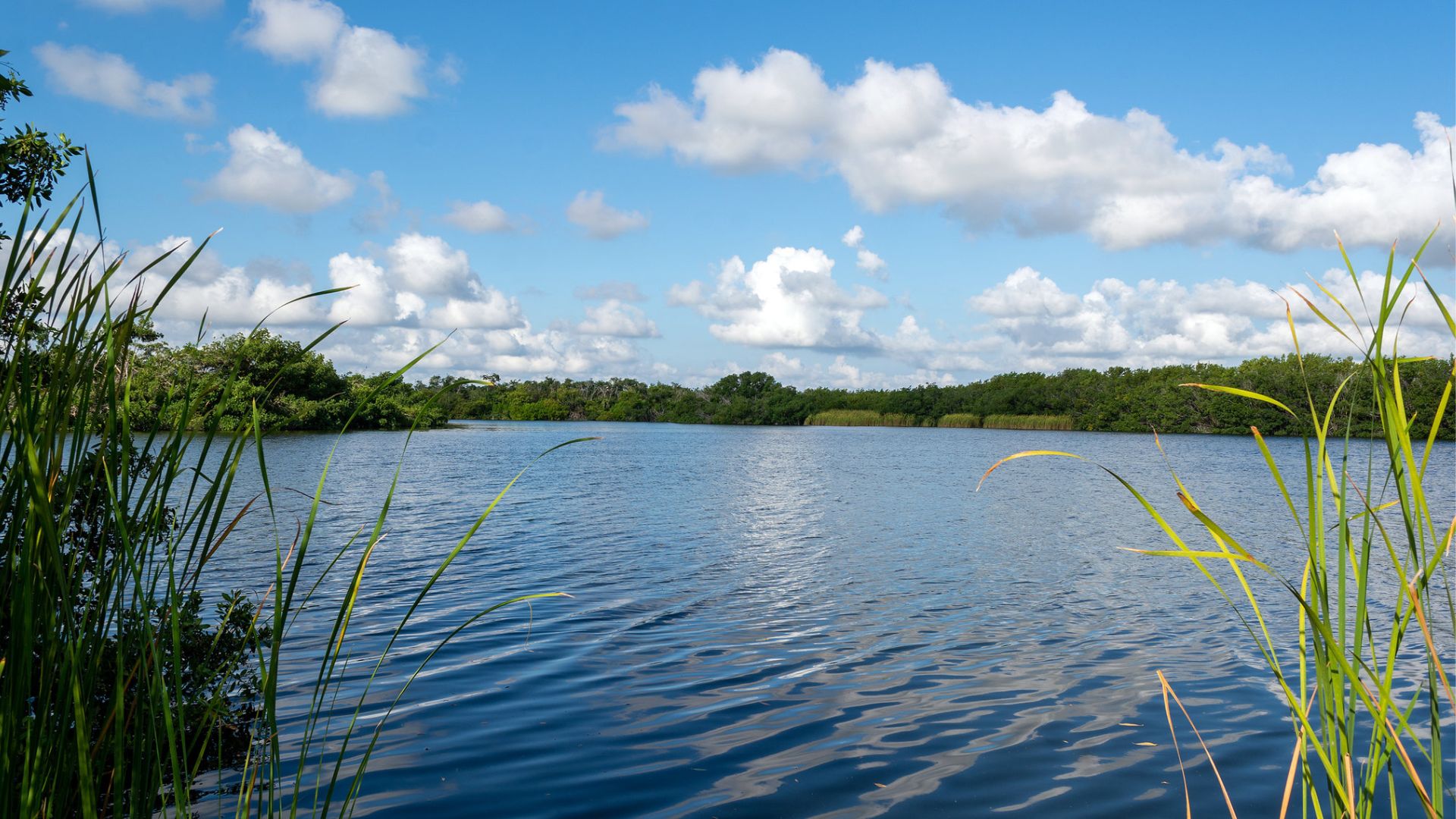
How Energy, Predators, and Keystone Species Shape a Wetland Ecosystem
In the vast sawgrass prairies of South Florida, a panther slips through shadowed hammocks, an alligator waits motionless beneath the surface of a cypress slough, and high above, a bald eagle scans the water below. Yet the most influential creature in this 1.5-million-acre wetland may be a snail small enough to fit in your palm.
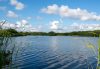
This is the Florida Everglades—a living system where energy moves slowly, water dictates survival, and even the smallest species can determine the fate of the largest. Here, life is not arranged in a simple chain but woven into one of Earth’s most intricate food webs.
What Makes the Everglades Food Web Unique
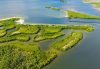
Unlike forests powered primarily by trees or oceans driven by phytoplankton, the Everglades runs on shallow water, seasonal rhythms, and microscopic producers. Water rarely exceeds 0.6 m (2 ft) in depth, yet it supports five distinct trophic levels compressed into a remarkably flat landscape.
At the heart of this system lies periphyton—a living mat of algae, bacteria, fungi, and microorganisms clinging to submerged surfaces. It may look like greenish slime, but ecologically, it is the engine of the Everglades.
Researchers at Florida International University describe periphyton as the ecosystem’s primary energy converter, transforming sunlight into usable biomass at rates that rival some tropical systems. When periphyton declines, the effects cascade rapidly through fish, birds, reptiles, and mammals.
Key Everglades statistics at a glance:
- Ecosystem size: ~6,000 km² (2,300 sq mi) of protected wetlands
- Average water depth: 0.3–0.6 m (1–2 ft)
- Water flow: ~160 km (100 mi) from Lake Okeechobee to Florida Bay
- Species richness: 350+ bird species, 40+ mammals, 50+ reptiles
- Endemic or near-endemic icons: Florida panther, Everglades snail kite
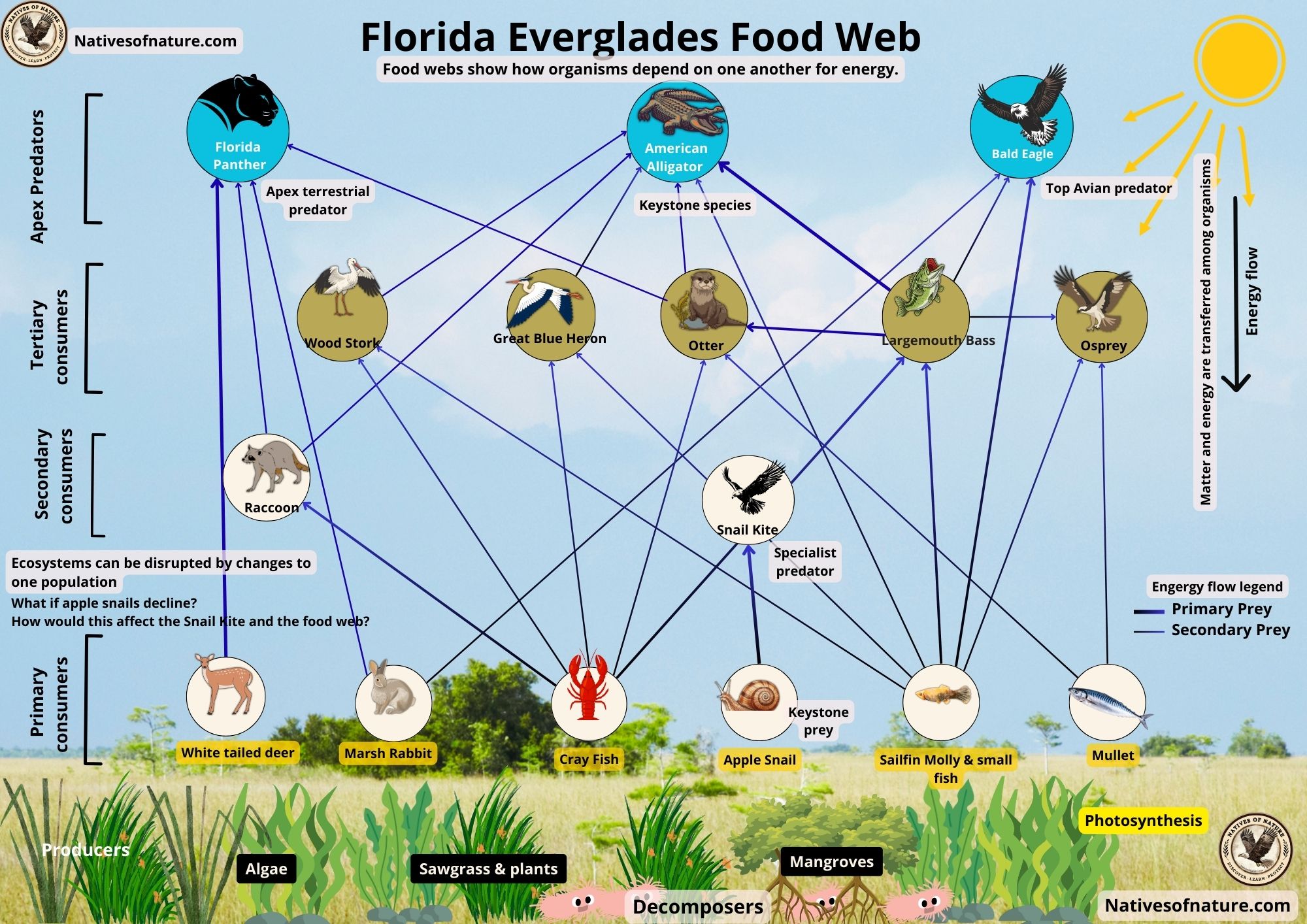 Credit: Nativesofnature.com
Click here to download pdf version of the Florida Everglades Food Web
The Five Trophic Levels of the Everglades
Level 1: Producers — Where Energy Begins
All energy entering the Everglades food web starts with photosynthesis.
Primary producers include:
- Periphyton and algae, responsible for much of the system’s primary productivity
- Sawgrass (Cladium jamaicense), covering 70–80% of freshwater marshes
- Mangroves, anchoring coastal and estuarine zones
Periphyton converts sunlight into organic carbon—hundreds of grams per square meter each year in productive areas. Sawgrass, though rarely eaten directly, contributes vast amounts of detritus, feeding decomposers and sheltering prey species. Mangroves extend the food web into brackish waters, supporting shrimp, crabs, and juvenile fish.
Without these producers, the Everglades would be biologically silent.
Level 2: Primary Consumers — Herbivores That Matter
Primary consumers transfer plant energy into animal biomass, forming the foundation of higher life.
Key players include:
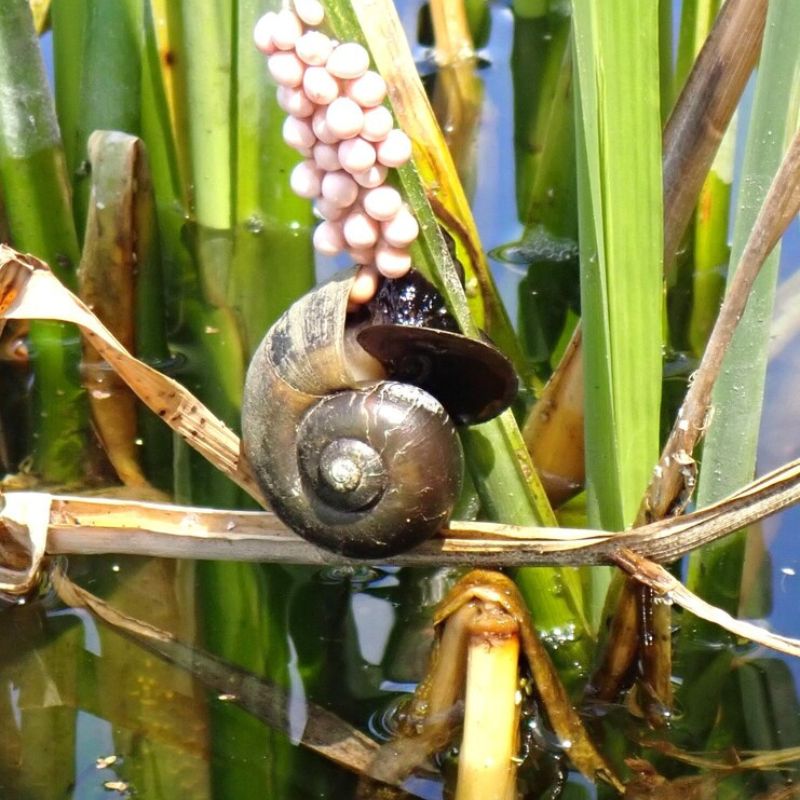
- Apple snails (Pomacea paludosa), grazing on periphyton and algae
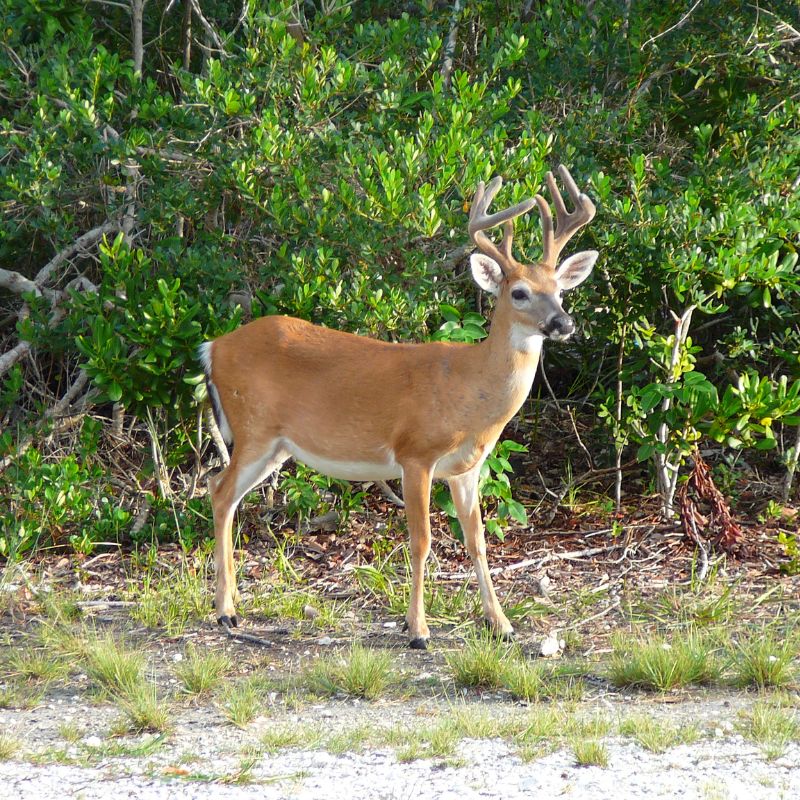
- White-Tailed Deer, browsing marsh plants and tree leaves
- Crayfish, feeding on algae and decaying vegetation
- Small herbivorous fish, such as sailfin mollies
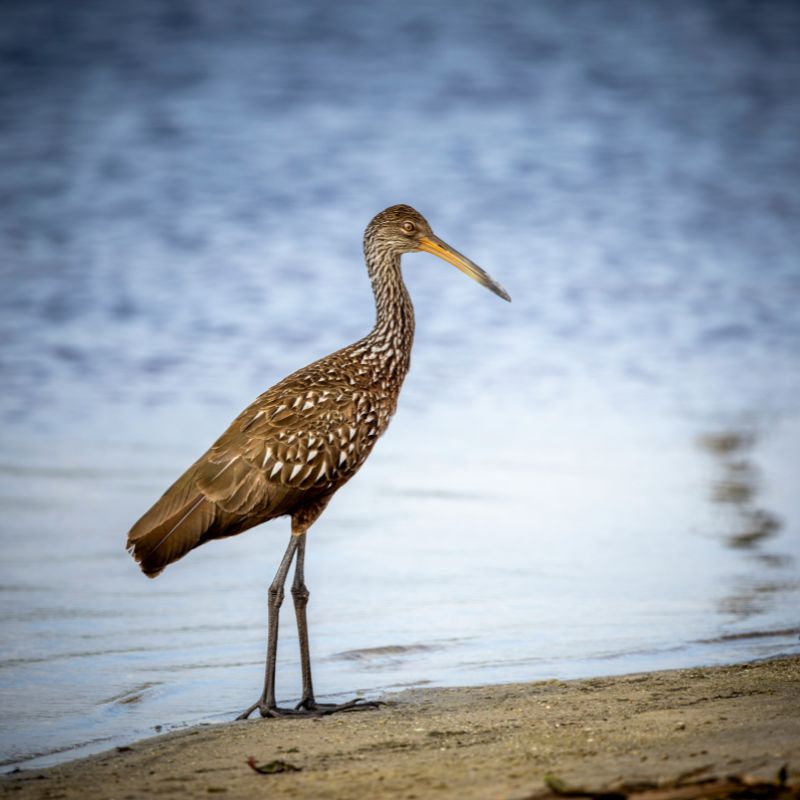
Among them, the apple snail stands apart. This golf-ball-sized mollusk is the sole food source for two birds—the endangered snail kite and the limpkin—and a major prey item for dozens of other species.
Ecologists working with the U.S. Geological Survey have shown that apple snail populations respond quickly to water depth and quality, making them a biological early-warning system for ecosystem stress.
Level 3: Secondary Consumers — The Small Predators
Secondary consumers prey on herbivores and small fish, adding flexibility and resilience to the food web.
They include:
- Snail Kite, specialist predator, feeding on Apple snails exclusively.
- Raccoons, adaptable omnivores exploiting aquatic and terrestrial prey
- Cottonmouth snakes, ambush hunters of fish and amphibians
These species occupy overlapping niches, ensuring that energy continues moving even when one prey source declines. In diverse systems like the Everglades, this redundancy prevents collapse.
Level 4: Tertiary Consumers — Large Specialists
Tertiary consumers eat other carnivores and dominate specific habitats.
- Great blue herons spear fish with remarkable precision
- Largemouth bass regulate fish populations in freshwater pools
- Ospreys, almost exclusively fish-eaters, link aquatic productivity to the sky
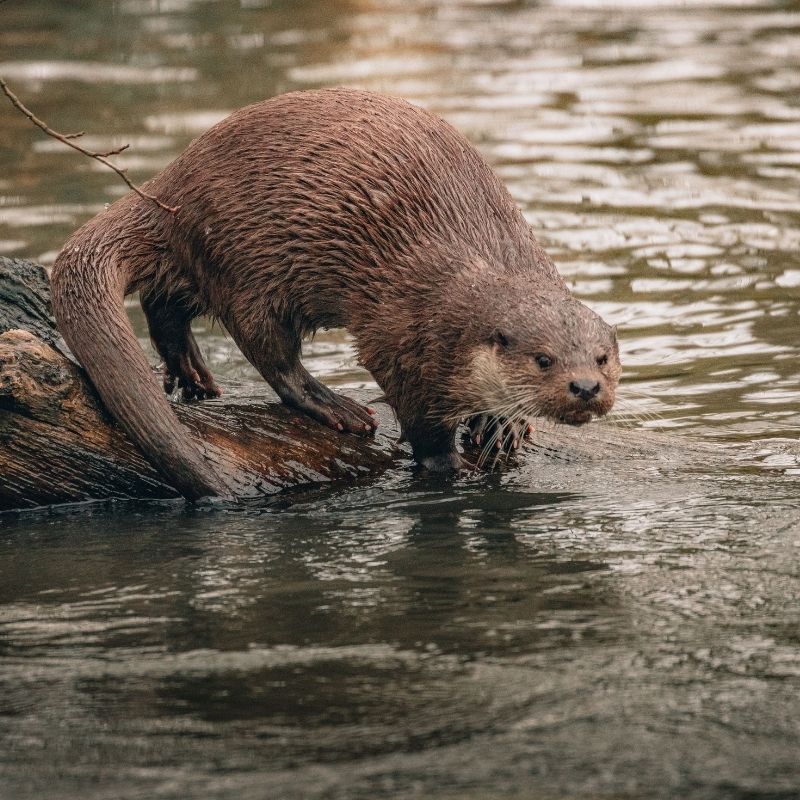
- River otters, consuming up to 15% of their body weight daily
According to the Cornell Lab of Ornithology, osprey nesting success closely mirrors fish availability, making them valuable indicators of aquatic health.
Level 5: Apex Predators — The Top Tier
Three apex predators rule the Everglades, each occupying a different dimension.
| Apex Predator | Primary Domain | Ecological Role |
| Florida panther | Land | Controls large herbivores |
| American alligator | Water | Predator + habitat engineer |
| Bald eagle | Air | Transfers aquatic energy inland |
This niche partitioning—land, water, and air—allows multiple apex predators to coexist without direct competition.
Keystone Species: Small Players, Massive Influence
Not all species contribute equally. A few exert an influence far greater than their abundance.
The Apple Snail: Keystone of Specialization
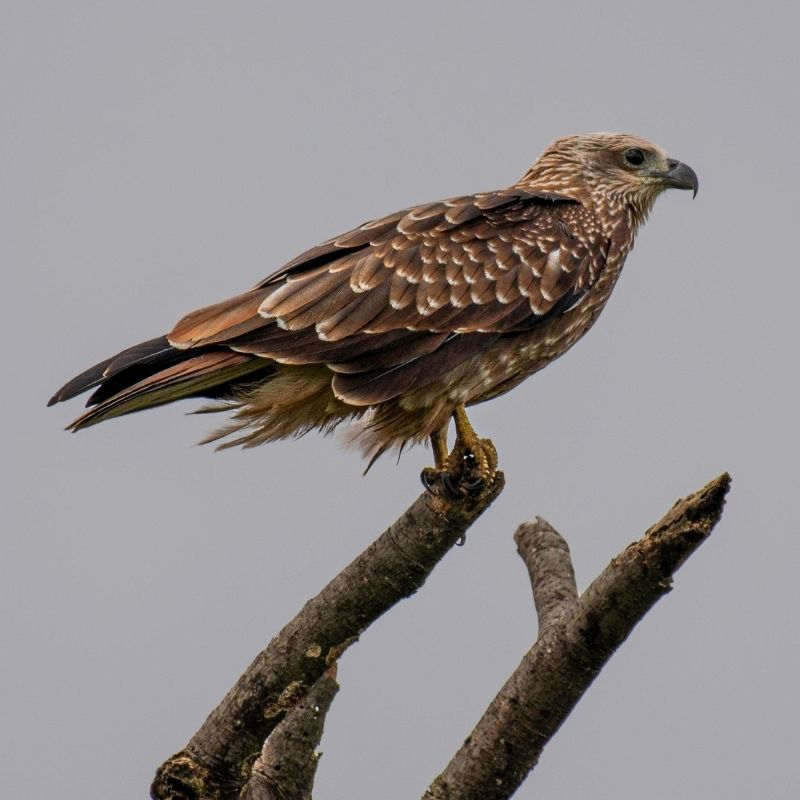
The apple snail underpins one of North America’s most specialized predator-prey relationships. The snail kite’s curved beak evolved solely to extract snails from their shells. When snail populations collapsed in the late 20th century due to altered water regimes, kite numbers plummeted within years.
Biologists with the U.S. Fish & Wildlife Service consider the snail kite an indicator species—its fortunes rise and fall with water management decisions.
The American Alligator: Ecosystem Engineer
Alligators shape the Everglades physically. During dry seasons, they excavate deep pools—gator holes—that retain water when surrounding marshes dry out.
These refuges:
- Concentrate fish and invertebrates
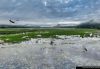
- Sustain wading birds during droughts
- Preserve biodiversity through seasonal extremes
Research coordinated by the National Park Service shows that areas with active alligator populations support significantly higher species diversity than similar habitats without them.
Energy Flow and the 10% Rule
Energy transfer through the Everglades follows a simple but powerful rule: only about 10% of energy moves from one trophic level to the next.
| Trophic Level | Approximate Energy Retained |
| Producers | 100% |
| Primary consumers | ~10% |
| Secondary consumers | ~1% |
| Tertiary consumers | ~0.1% |
| Apex predators | ~0.01% |
This explains why the Everglades supports millions of snails and fish, thousands of birds, but only a few hundred panthers. Energy availability—not space—limits apex predators.
Decomposers: The Silent Majority
Bacteria, fungi, and detritivores recycle nutrients from every level of the food web. In a nutrient-poor system like the Everglades, this recycling is critical.
Scientists estimate decomposers process 70–80% of all energy entering the ecosystem, returning it to producers and closing the loop of life.
Threats to the Food Web
Two forces currently disrupt this finely tuned system:
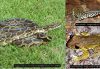
- Invasive Burmese pythons, which have reduced some mammal populations by up to 90%, stripping energy from mid-level trophic layers
- Altered water flow, replacing natural wet-dry cycles with extremes that harm periphyton and apple snails
Restoration initiatives now focus on restoring processes, not just species—particularly seasonal water movement.
Why the Everglades Food Web Matters Beyond Florida
The Everglades supplies drinking water to millions, buffers coastlines from storms, and supports a multi-billion-dollar economy. But its global value lies in what it teaches.
As conservation scientists writing in Nature and featured by National Geographic have noted, ecosystems survive not through strength but through balance.
The Everglades shows that protecting nature means protecting relationships.
Quick Facts: Everglades Food Web
| Feature | Detail |
| Number of trophic levels | 5 |
| Keystone species | Apple snail, American alligator |
| Apex predators | Florida panther, alligator, bald eagle |
| Primary producer | Periphyton |
| Energy transfer | ~10% between levels |
| Endangered species supported | 70+ |
Conclusion: A Web Worth Protecting
The Florida Everglades food web is a masterclass in ecological interdependence. A panther’s survival depends on deer, deer depend on vegetation, vegetation depends on water, and water quality depends on decisions made far upstream.
Protecting this ecosystem is not about saving a single charismatic species. It is about safeguarding the invisible threads that connect a snail to a bird, a bird to a predator, and all of them to the slow, deliberate flow of freshwater south.
In a changing world, the Everglades reminds us that small species matter, balance matters, and every decision echoes through the web of life.
References & Trusted Sources
- U.S. Fish & Wildlife Service – Everglades Wildlife & Restoration
- National Park Service – Everglades National Park Ecology
- U.S. Geological Survey – South Florida Ecosystem Science
- Cornell Lab of Ornithology – Everglades Bird Ecology
FAQs: Florida Everglades Food Web
Why is the apple snail so important to the Everglades?
Because it supports highly specialized predators and reflects water quality and depth.
How do alligators increase biodiversity?
By creating gator holes that provide dry-season refuges for aquatic life.
Why are apex predators rare in the Everglades?
Energy loss at each trophic level limits how many top predators the system can support.
How do invasive pythons affect the food web?
They remove large amounts of energy by eliminating mid-sized mammals.
Can the Everglades fully recover?
Scientists agree recovery is possible if natural water flow patterns are restored.