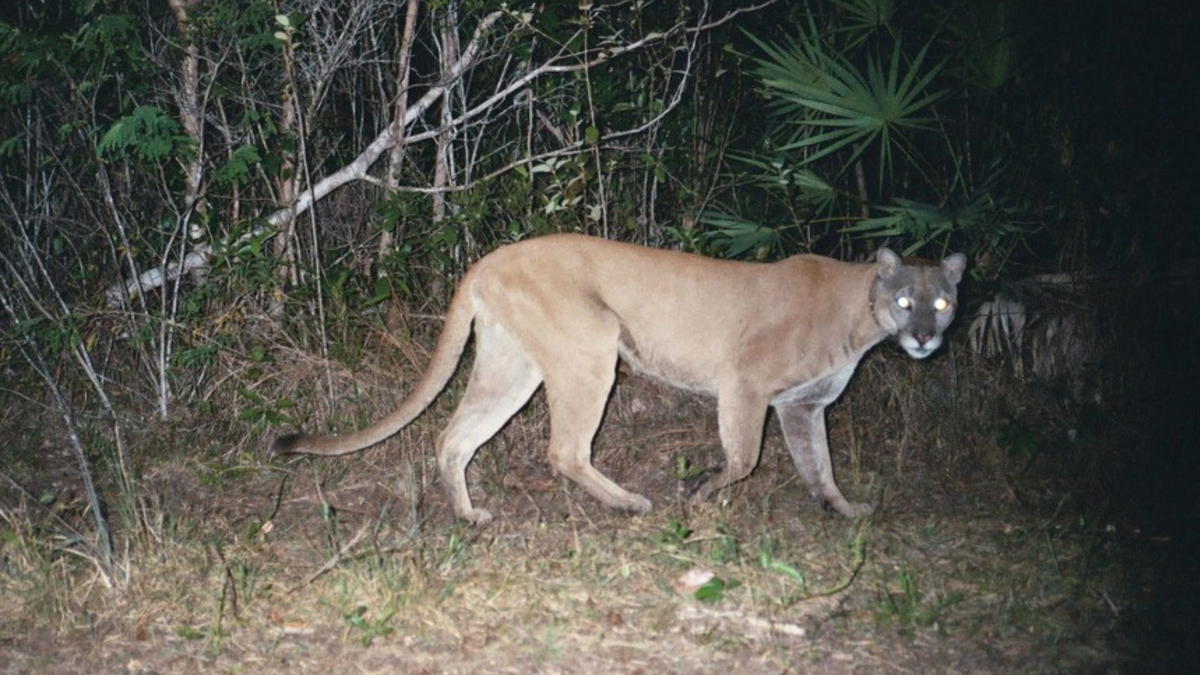
In the snow-dusted canyons of the Rocky Mountains, a silver-gray hunter moves like a whisper through pine shadows. Far to the southeast, in the flooded prairies of the Everglades, a tawny swimmer slips across cypress-lined channels. Both animals belong to the same species—Puma concolor—yet their lives could hardly be more different. Yet there is another crucial difference. The mountain lion remains part of a vast continental network of interconnected populations. The Florida panther survives as the only breeding population of pumas east of the Mississippi River, a living remnant of a species that once ranged across most of eastern North America.
The mountain lion still thrives across vast landscapes of the Americas, adapting to deserts, forests, and mountains with remarkable ease. The Florida panther, by contrast, survives as an isolated eastern remnant, shaped as much by highways and development as by natural selection. Understanding the differences between these two reveals not only the puma’s extraordinary versatility—but also how geography can turn abundance into vulnerability.
Quick Comparison at a Glance
| Aspect | Florida Panther | Mountain Lion (Western) |
| Scientific name | Puma concolor coryi | Puma concolor |
| Range | South Florida only (east of Mississippi) | Western North America; broader Americas |
| Habitat | Wetlands, swamps, pinelands (strong swimmers) | Mountains, forests, deserts |
| Average male size | 100–160 lb (45–73 kg); 6–7 ft (1.8–2.1 m) | Often larger; up to ~220 lb (100 kg) regionally |
| Genetic diversity | Historically low (rescued) | Generally high |
| Distinctive traits | Past kinked tail/cowlick (now declining) | Regional color/size variation |
| Conservation status | Endangered (≈120–230 adults) | Mostly stable |
| Primary threat | Vehicle collisions | Habitat loss, conflict (varies) |
1. Vast Ranges vs. an Isolated Pocket
Mountain lions hold one of the largest ranges of any land mammal in the Western Hemisphere, stretching from Canada’s Yukon to Patagonia. Florida panthers occupy less than 5% of their historic southeastern range, confined largely to South Florida. By the late nineteenth century, pumas had disappeared from nearly all of eastern North America. Surveys conducted in the early 1970s found only a handful of panthers remaining in South Florida, and for decades the population represented the last surviving eastern stronghold of a predator that once ranged across much of the continent. This isolation—unique among puma populations—defines nearly every aspect of the panther’s biology and conservation.
2. Wetland Specialists vs. Mountain Generalists
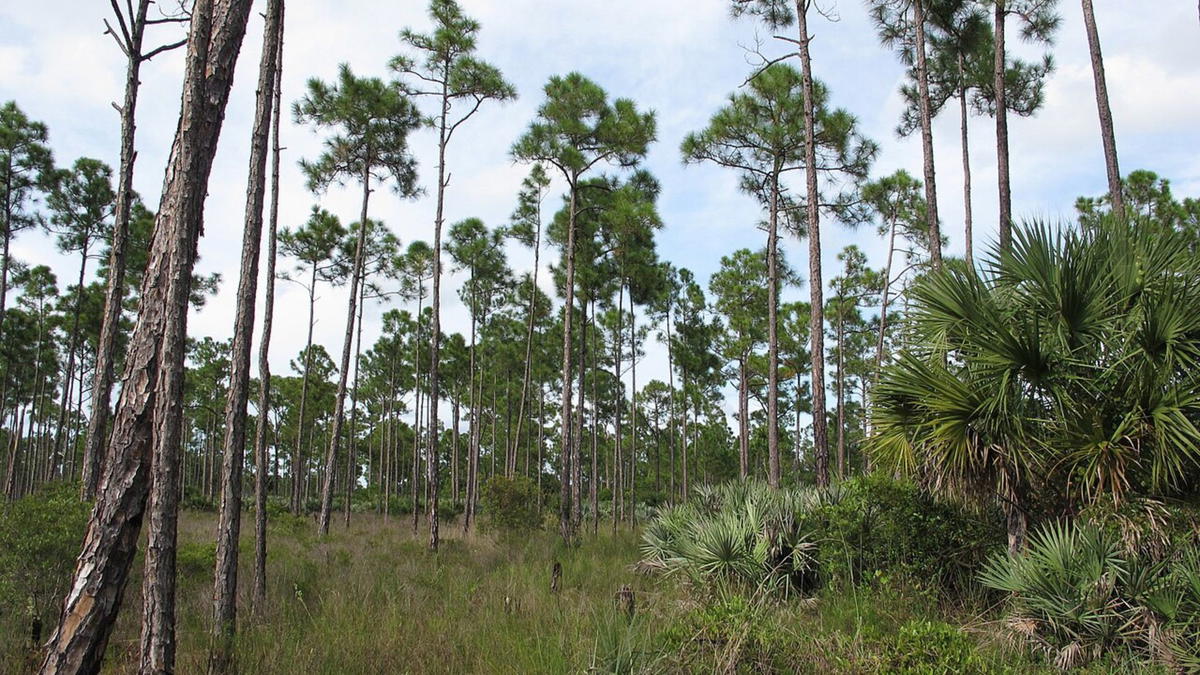
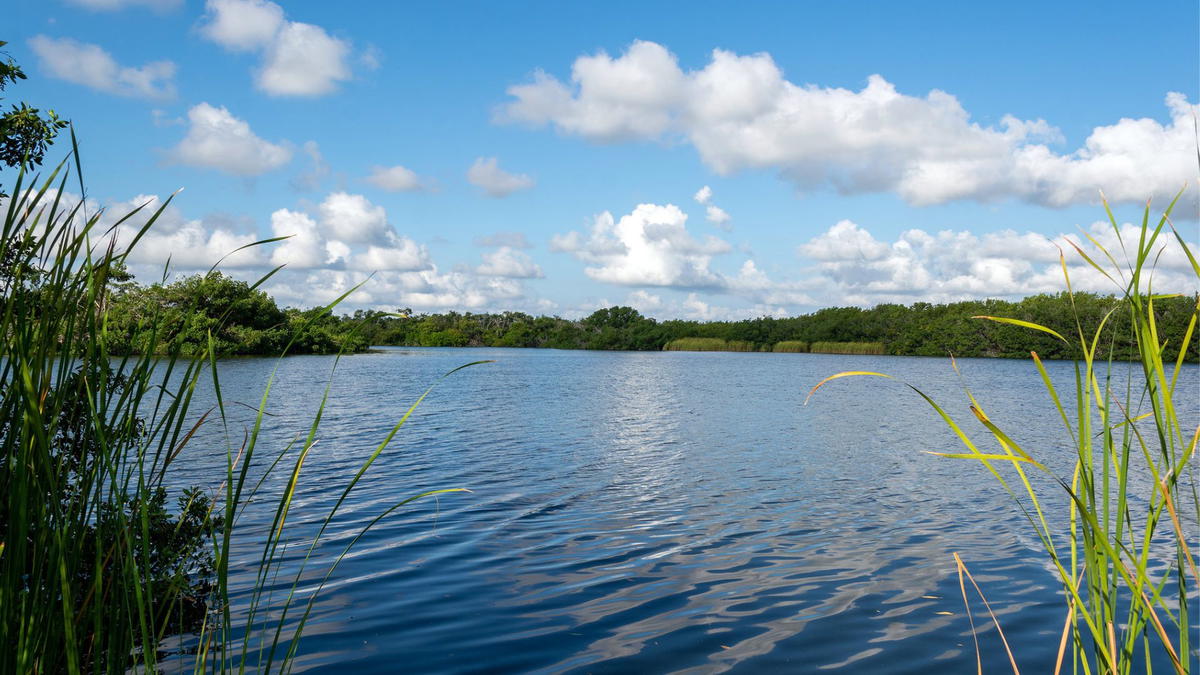
Western mountain lions are masters of rugged terrain: canyons, cliffs, and high-elevation forests. Florida panthers live in a flat, flood-prone world of swamps and wet prairies. As a result, panthers are exceptional swimmers, routinely crossing rivers and marshes—an adaptation rarely demanded of their western relatives.
3. Size Shaped by Climate
Body size in pumas follows climate. In colder regions, mountain lions grow larger; in warmer environments, leaner builds prevail. Florida panther males typically weigh 100–160 lb (45–73 kg), while northern mountain lions can exceed 200 lb (90+ kg). The difference reflects efficiency and heat regulation—not strength.
4. Coats and Clues from the Past
The most striking difference was not appearance but genetics. By the early 1990s, Florida panthers exhibited a suite of abnormalities rarely seen in healthy puma populations. Researchers documented kinked tails, cowlicks of fur along the back, atrial septal heart defects, undescended testicles in males, poor sperm quality, weakened immune responses, and heavy parasite loads. These traits became some of the clearest biological signs of severe inbreeding ever recorded in a large North American carnivore population.
5. Shared Stealth, Different Pressures
Neither animal roars. Both communicate with purrs, hisses, growls, and eerie screams, and both are solitary ambush hunters capable of 15-foot (4.5 m) leaps. Florida panthers consume 35–50 white-tailed deer per year, along with hogs and smaller prey. While home ranges can reach 200 square miles, fragmentation affects Florida cats far more severely.
6. Genetic Bottleneck vs. Genetic Flow
By the early 1990s, biologists estimated that only about 20–30 adult and subadult Florida panthers remained in the wild. The population was suffering from severe inbreeding depression and faced a substantial risk of extinction. In 1995, wildlife managers implemented one of the most famous genetic rescue efforts in modern conservation biology, releasing eight female Texas pumas into South Florida. Five successfully reproduced, producing at least 20 kittens. The results were dramatic: genetic diversity increased, survival improved, inbreeding-related defects declined, and population growth accelerated. Today the project is widely regarded as one of the most successful examples of genetic restoration in a large carnivore.
7. One Population vs Many Populations
Perhaps the greatest difference between Florida panthers and western mountain lions is not size, habitat, or behavior—it is redundancy. Western mountain lions persist in numerous interconnected populations across vast regions of North and South America. If one local population declines, others remain. Florida panthers, by contrast, exist as a single breeding population. Conservation scientists describe this lack of redundancy as one of the species’ greatest vulnerabilities because disease outbreaks, severe habitat loss, or major environmental disasters could affect a large proportion of the population simultaneously.
8. Stability vs. Peril
Most mountain lion populations are stable or recovering. Florida panthers remain endangered, with vehicle collisions the leading cause of death. Wildlife underpasses and fencing have reduced fatalities in key corridors, underscoring how infrastructure design can decide a predator’s fate.
9. Apex Predator and Cultural Icon
Ecologically, both regulate prey and help balance ecosystems. Culturally, the Florida panther carries extra weight—chosen as Florida’s state animal in 1982 and a flagship “umbrella species” whose protection safeguards vast wetlands and the wildlife within them.
Conclusion: One Species, Two Futures
The Florida panther and the mountain lion embody the puma’s adaptability—one roaming freely across continents, the other surviving through targeted human ingenuity. Their contrast is a lesson in modern conservation: resilience has limits when habitats fracture. Protecting corridors, crossings, and connected wild spaces ensures this remarkable predator continues to balance North America’s ecosystems—and reminds us that shared landscapes can still sustain both people and wild cats.