Introduction
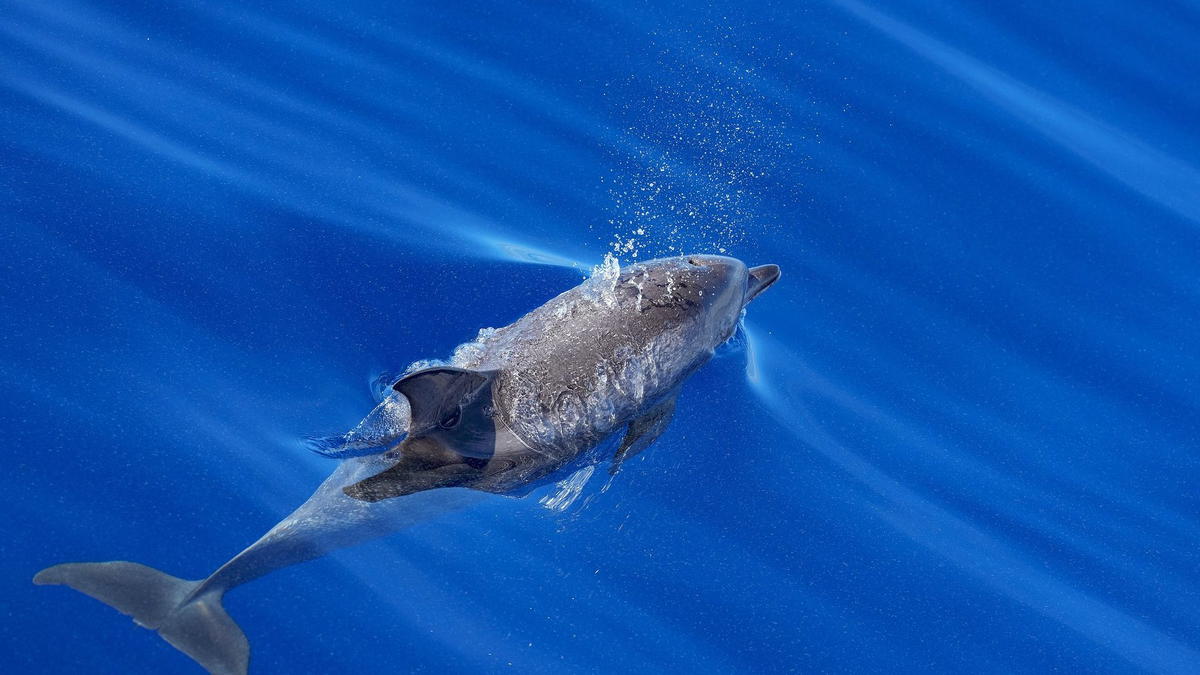
The bottlenose dolphin (Tursiops truncatus) is an air-breathing marine mammal that must regularly surface to inhale, making breath-hold duration a key physiological constraint. Unlike fish, dolphins cannot extract oxygen from water and instead rely on stored oxygen reserves during dives. Understanding how long dolphins can stay underwater is scientifically important because it reflects the interaction between oxygen storage, metabolic rate, and cardiovascular regulation. Research from NOAA Fisheries, the Wild Dolphin Project, and tagging studies reported in peer-reviewed journals such as Marine Mammal Science show that bottlenose dolphins typically remain submerged for only a few minutes during routine activity, but can extend this duration significantly under specific ecological conditions. Their breath-hold capacity is not fixed; it varies with dive depth, activity level, and physiological limits such as the behavioral aerobic dive limit (bADL). The following sections explain the measurable range of underwater durations in bottlenose dolphins and the biological mechanisms that enable them to balance oxygen use with the need for repeated surfacing.
1. Typical Breath-Hold Duration in Routine Activity
Bottlenose dolphins usually remain underwater for short periods during daily activity, with most dives lasting between 2 and 6 minutes. However, in many routine contexts—particularly during travel or social interactions—individuals surface much more frequently, often every 20 to 40 seconds. Tag-based studies of coastal dolphins report mean dive durations under one minute in shallow habitats, reflecting constant access to air. These short, repeated dives maintain high arterial oxygen saturation and prevent reliance on anaerobic metabolism. By surfacing frequently, dolphins avoid lactate accumulation and minimize recovery time between dives. This pattern dominates daily behavior and demonstrates that maximum breath-hold capacity is rarely used outside of foraging or deep diving contexts. Instead, dolphins prioritize efficient oxygen management through frequent respiration cycles.
2. Common Dive Duration During Foraging
When actively foraging, bottlenose dolphins extend their dive times to access prey located deeper in the water column. Typical foraging dives last approximately 5 to 10 minutes, particularly in offshore populations targeting mesopelagic fish or squid. These durations align closely with the species’ behavioral aerobic dive limit (bADL), estimated at roughly 560–666 seconds (9.3–11.1 minutes) from tag-based analyses. Within this range, dolphins rely primarily on aerobic metabolism, using stored oxygen without significant lactate accumulation. Dive duration increases with depth because transit time (descent and ascent) occupies a larger proportion of the dive. These mid-length dives represent a physiological and ecological balance—maximizing prey capture while avoiding extended recovery periods at the surface.
3. Maximum Recorded Breath-Hold Times
Under extreme conditions, bottlenose dolphins can remain underwater for significantly longer periods. Maximum recorded dive durations reach approximately 12 to 14 minutes in wild individuals, with a documented upper value of about 826 seconds (13.8 minutes) in offshore dolphins monitored using satellite-linked tags. Some controlled observations suggest potential limits approaching 15–20 minutes, although these are not typical of wild behavior. Dives exceeding the aerobic dive limit require partial reliance on anaerobic metabolism, leading to lactate accumulation and extended surface recovery. As a result, such extreme breath-holds are rare and energetically costly. These values represent the upper physiological boundary of the species rather than commonly observed behavior.
4. Oxygen Storage in Blood and Muscle
The ability to remain underwater depends heavily on oxygen storage capacity. Bottlenose dolphins have elevated concentrations of hemoglobin in their blood and myoglobin in their muscles compared to terrestrial mammals. Approximately 60–70% of total body oxygen is stored in the blood, while a substantial fraction is stored in muscle tissue via myoglobin. Offshore populations may exhibit higher hematocrit values (up to ~50–56%), increasing oxygen-carrying capacity. Myoglobin enables oxygen storage directly within muscle cells, allowing continued locomotion even as circulating oxygen declines. This distribution ensures that critical organs such as the brain and heart maintain oxygen supply during extended dives. Enhanced oxygen storage is a primary factor enabling breath-holds that far exceed those of most terrestrial mammals.
5. Bradycardia and Oxygen Conservation
During submergence, dolphins exhibit a pronounced diving response known as bradycardia, where heart rate can drop dramatically—sometimes to fewer than 20 beats per minute. This reduction lowers cardiac output and overall oxygen consumption. Simultaneously, peripheral vasoconstriction restricts blood flow to non-essential tissues, preserving oxygen for vital organs such as the brain and myocardium. These cardiovascular adjustments are flexible and can be modulated based on anticipated dive duration, as shown in controlled breath-hold studies. By reducing metabolic demand and prioritizing oxygen distribution, dolphins can extend dive duration while maintaining organ function. This response is central to their ability to remain underwater for extended periods.
6. Voluntary Breathing and Conscious Control
Unlike terrestrial mammals, dolphins are voluntary breathers, meaning each breath is consciously initiated. Breathing is not governed by an automatic brainstem reflex but requires active neural control. This adaptation prevents accidental inhalation of water but imposes strict limits on submergence time. Dolphins cannot rely on unconscious breathing and must remain sufficiently aware to surface before oxygen stores are depleted. This constraint explains the evolution of unihemispheric sleep, in which one brain hemisphere remains awake to control respiration. Voluntary breathing directly defines the upper limit of breath-hold duration and ensures precise regulation of surfacing behavior.
7. Relationship Between Dive Depth and Duration
Dive duration is positively correlated with dive depth due to the time required for vertical movement. Dives exceeding 100 meters often require several minutes for descent and ascent alone, reducing time available for active foraging at depth. Time–depth recorder data show that dives longer than approximately 4–5 minutes are strongly associated with deeper excursions. This relationship reflects both mechanical constraints and energetic trade-offs: deeper dives require longer breath-holds but also increase oxygen consumption. Dolphins adjust dive duration strategically to maximize foraging efficiency while remaining within physiological limits.
8. Recovery Time After Long Dives
After extended dives, dolphins require longer surface intervals to restore oxygen levels and remove metabolic byproducts such as carbon dioxide and lactate. Dives that exceed the aerobic dive limit are followed by disproportionately longer recovery periods, often involving repeated rapid breaths at the surface. During this phase, dolphins typically remain within the upper few meters of the water column while reoxygenating blood and muscle tissues. This recovery requirement imposes a constraint on how frequently long dives can occur, reinforcing the balance between dive duration and overall foraging efficiency.
9. Breathing Patterns During Rest and Sleep
During rest or sleep, bottlenose dolphins remain close to the surface and adopt a breathing pattern that supports frequent oxygen intake. They typically surface every 30 to 60 seconds, taking 1–2 breaths per minute while maintaining minimal movement. This behavior is linked to unihemispheric slow-wave sleep, where one hemisphere of the brain remains awake to control breathing and surfacing. Frequent breathing during rest prevents oxygen depletion and eliminates the need for extended submergence. This pattern illustrates how sleep behavior is tightly integrated with respiratory control in a species that cannot breathe automatically.
Key Takeaways
• Most dives last 2–6 minutes, with frequent surfacing every 20–40 seconds during routine activity.
• Foraging dives typically extend to 5–10 minutes, near the aerobic dive limit (~9–11 minutes).
• Maximum recorded breath-hold is about 13.8 minutes, with rare cases approaching 15–20 minutes.
• Oxygen storage in blood (≈60–70%) and muscle supports extended submergence.
• Bradycardia and blood redistribution reduce oxygen consumption during dives.
• Dive duration is constrained by recovery requirements and voluntary breathing control