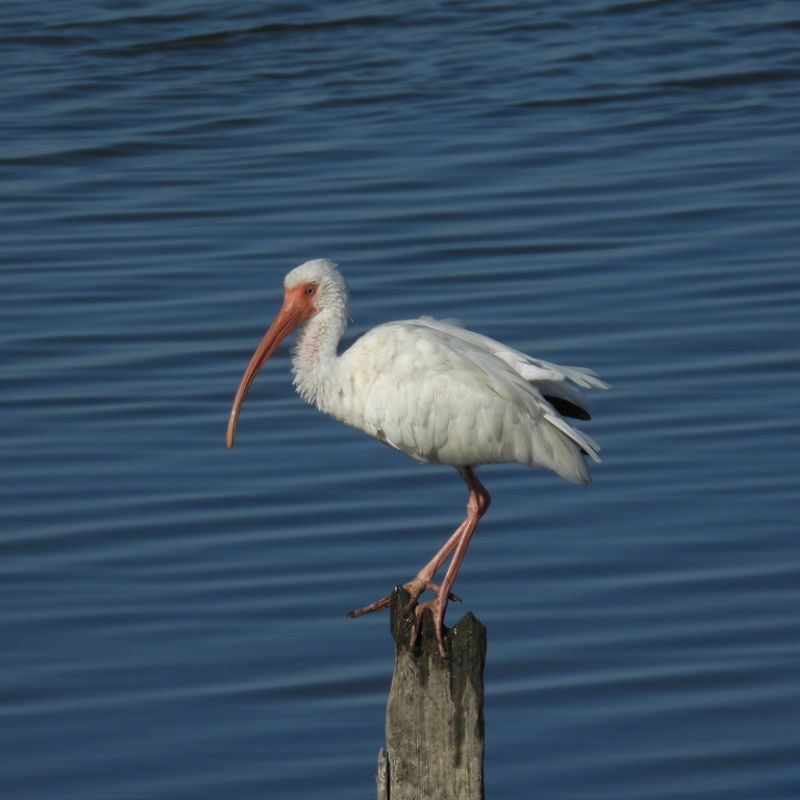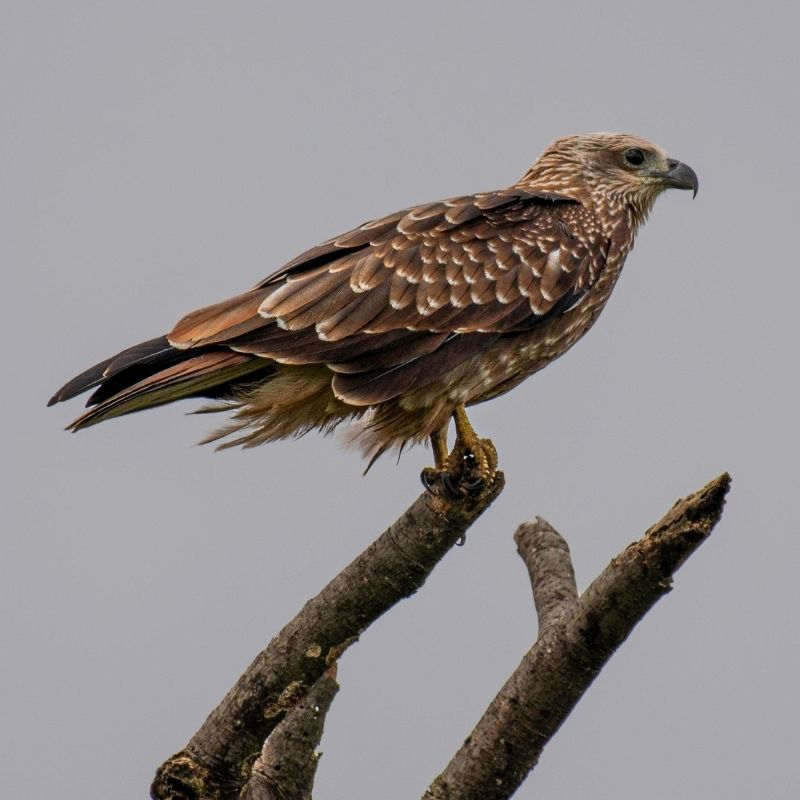
Imagine a silent forest where the mere whisper of a panther’s paw reshapes the landscape, or a wetland where an alligator’s subtle movements orchestrate survival for hundreds of species. These apex predators—the Florida panther, bald eagle, and American alligator—are not just hunters; they are masterful architects, conducting the intricate symphony of life in North America’s diverse ecosystems.
The Apex Architects: Masters of the Food Chain
Apex predators occupy the pinnacle of the food web, with no natural enemies to challenge their dominance. In the sun-dappled swamps and rivers of the southeastern United States, the Florida panther stalks through pinelands, the bald eagle soars over coastal waters, and the American alligator ambushes from murky depths. Far from mere survivors, these species regulate entire communities, influencing everything from prey behavior to plant growth.
This article explores how apex predators act as ecosystem architects, using the Florida Everglades as a real-world case study. For a complete breakdown of energy flow, producers, and keystone prey species, see our in-depth guide to the Florida Everglades food web.
The impact of apex predators is profound and multifaceted. As keystone species, they trigger trophic cascades—chain reactions that ripple through ecosystems—ensuring balance and resilience. The U.S. Fish and Wildlife Service emphasizes that the Florida panther’s presence is vital for maintaining healthy prey populations and habitat integrity. Similarly, the Cornell Lab of Ornithology highlights the bald eagle’s role in promoting biodiversity through versatile predation. Alligators, as ecosystem engineers, physically reshape wetlands, supporting countless organisms, according to the Smithsonian National Zoo.
To grasp their unique adaptations, consider this comparison:
| Predator | Length (m/ft) | Weight (kg/lb) | Top Speed (km/h/mph) | Territory Size (km²/mi²) | Habitat |
| Florida Panther | 1.8–2.2 (5.9–7.2) | Males: 45–73 (100–160); Females: 29–45 (64–100) | Up to 56 (35) | Up to 518 (200) | Swamps, pinelands, hardwood forests |
| Bald Eagle | 0.7–1.0 (2.3–3.3) body; Wingspan: 1.8–2.3 (5.9–7.5) | 3–6.3 (6.6–14) | Dive: 120–160 (75–99) | About 2.5 (1) | Near rivers, lakes, coasts |
| American Alligator | Males: 3.4–4.5 (11–15); Females: 2.6–3.0 (8.5–9.8) | Males: 227–360 (500–800); Females: 91–136 (200–300) | Land: 16 (10); Water: 32 (20) | Up to 3 (1.2) | Wetlands, marshes, rivers |
This table underscores how their physical traits align with their ecological roles, from the panther’s expansive range to the alligator’s aquatic prowess.
Population Control: Keeping Prey in Check
Apex predators act as nature’s regulators, preventing prey species from overwhelming resources. The Florida panther targets white-tailed deer, feral hogs, and raccoons, consuming the equivalent of about 35–50 deer-sized animals annually—roughly 2,600 kg (5,730 lb) of prey. This curbs overabundance, averting habitat degradation like soil erosion from overgrazing.
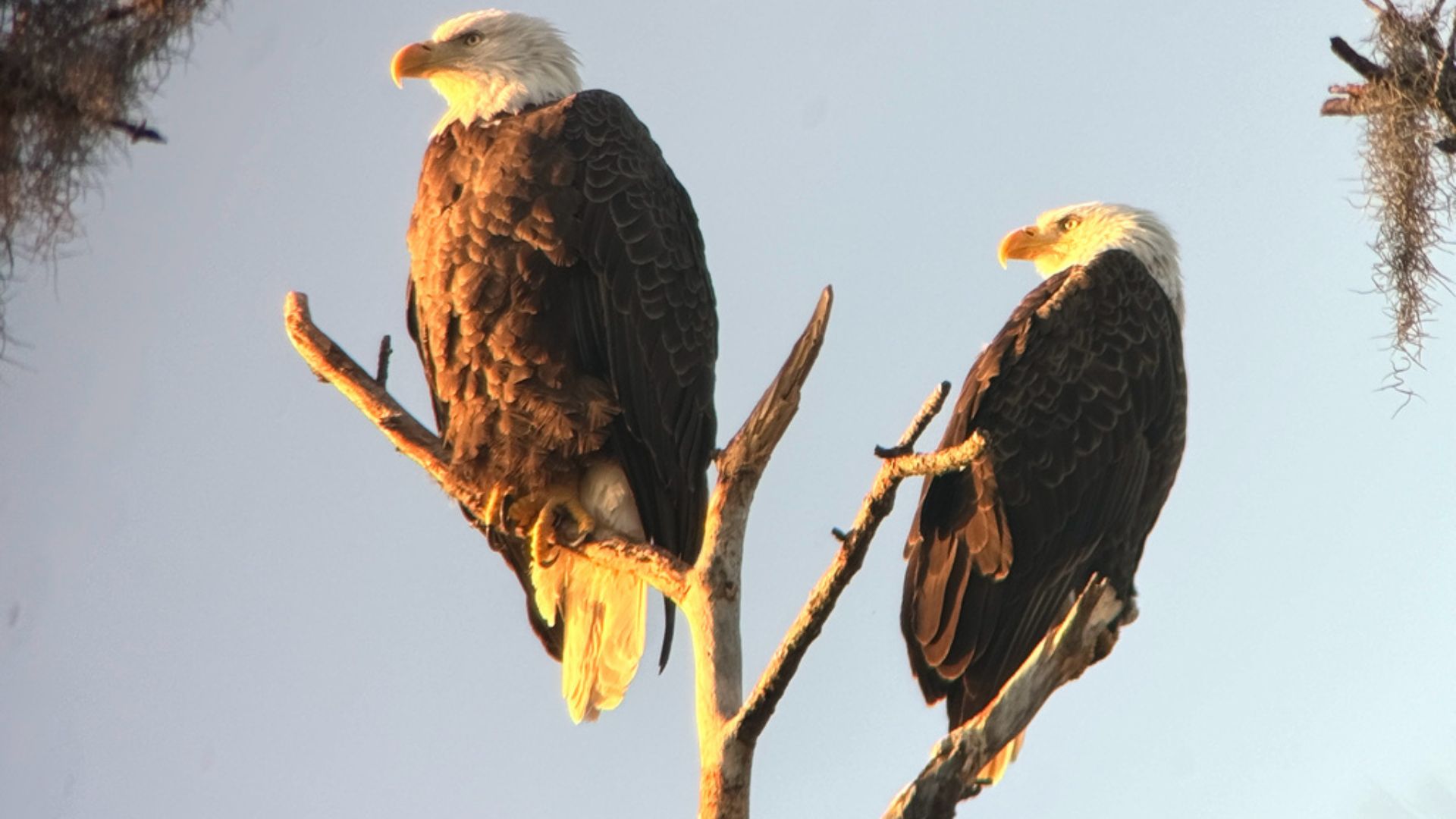
Bald eagles, opportunistic feeders, consume 250–550 grams (0.55–1.2 lb) daily, totaling around 91–200 kg (200–440 lb) yearly, with fish comprising 50–90% of their diet. They also prey on waterfowl, snakes, and small mammals, ensuring no species dominates aquatic or terrestrial niches.
American alligators devour fish, turtles, birds, and mammals, with adults eating 20–30 kg (44–66 lb) monthly during active seasons. Their powerful bite force of up to 2,980 psi (13,240 N) allows them to tackle large prey efficiently. This predation maintains wetland equilibrium and controls invasive species.
Landscape of Fear: Invisible Forces at Work
Beyond direct kills, apex predators instill a “landscape of fear,” altering prey behaviors without contact. In panther territories, deer become vigilant, spending 38% less time grazing in open areas, which protects young plants and promotes forest regeneration.
Eagles’ looming shadows prompt fish to seek cover, influencing migration patterns and benefiting smaller predators. NOAA studies reveal how this fear enhances riverine plant life by reducing overfeeding in shallow waters.
Alligators create similar caution; wading birds and mammals avoid patrolled zones, easing pressure on vegetation. This behavioral engineering, as Smithsonian researchers describe, fosters diverse microhabitats and prevents ecological monopolies.
Trophic Cascades: Ripples of Change
Removing an apex predator unleashes trophic cascades, where effects cascade downward. When Florida panthers dwindled, deer and hog populations surged, decimating understory plants and impacting insects and birds. Restoration has reversed this, boosting biodiversity.
Bald eagles’ recovery post-DDT ban triggered cascades in the Pacific Northwest: balanced fish stocks allowed algae to flourish, clarifying waters for other species. “Eagles are keystones in coastal food webs,” notes a Smithsonian expert.
Alligators exemplify nutrient cycling; their kills decompose, enriching soils for plant growth. The classic Yellowstone wolf reintroduction mirrors these effects—prey behavior shifts led to riverbank stabilization and habitat for beavers and songbirds.
Habitat Engineers: Building for Biodiversity
Some apex predators actively modify environments. Alligators excavate “gator holes”—deep pools that retain water during droughts, serving as oases for over 200 species, including fish, turtles, and birds. These keystone structures increase habitat diversity and support life through harsh seasons.
Florida panthers influence plant distribution via prey fear, creating refuge zones for vegetation recovery. Bald eagles construct massive nests, up to 2.9 m (9.5 ft) wide, 6 m (20 ft) deep, and weighing nearly 2,700 kg (6,000 lb). Abandoned, these become homes for owls, squirrels, and insects, adding canopy microhabitats.
Such engineering highlights their dual roles: hunters and creators, fostering niches that enhance ecosystem resilience.
Enhancing Biodiversity: Space for All
By curbing dominant species, apex predators promote diversity. Panthers suppress mesopredators like raccoons, allowing ground-nesting birds and amphibians to thrive. National Park Service data show panther-occupied areas host 23% more plant species and 31% more birds.
Eagles control snakes and rodents, preventing overcompetition and supporting smaller creatures. Alligators’ predation on large fish opens niches for juveniles, boosting aquatic variety.
This mosaic of life extends benefits: healthier forests support pollinators, balanced wetlands aid fisheries, and diverse communities resist invasions.
Indicator Species: Sentinels of Health
Apex predators mirror ecosystem vitality. Thriving panthers signal abundant prey and connected habitats; declines warn of fragmentation or pollution.
Bald eagles, sensitive to toxins, indicated DDT dangers; their recovery post-1972 ban showcased healing waters. Alligators reflect wetland integrity, with populations tracking water quality and hydrology.
Monitoring them, as per USFWS protocols, guides conservation, emphasizing that protecting these guardians invests in broader ecological stability.
Guardians of Balance: An Enduring Legacy
In the grand tapestry of nature, apex predators weave threads of resilience and harmony. The panther’s elusive grace, the eagle’s soaring vigilance, and the alligator’s ancient power symbolize the interconnectedness of life. Their absence unravels ecosystems; their presence sustains them. By safeguarding these magnificent stewards, we preserve not just species, but the beauty, logic, and vitality of the wild world for future generations.
Quick Facts Table
| Trait | Florida Panther | Bald Eagle | American Alligator |
| Lifespan (wild) | 10–15 years | 20–30 years | 35–50 years |
| Diet | Deer, hogs, raccoons (90% of intake) | Fish (50–90%), birds, carrion | Fish, turtles, birds, mammals |
| Conservation Status | Endangered (∼200 individuals) | Least Concern (∼316,000) | Least Concern (∼5 million) |
| Key Stat | Annual Prey: Equivalent of 35–50 deer | Nest Weight: Up to 2,700 kg (6,000 lb) | Bite Force: 13,240 N (2,980 psi) |
References
- U.S. Fish and Wildlife Service. “Florida Panther Biology.” https://myfwc.com/wildlifehabitats/wildlife/panther/biology/
- Cornell Lab of Ornithology. “Bald Eagle Life History.” https://www.allaboutbirds.org/guide/Bald_Eagle/overview
- Smithsonian National Zoo. “American Alligator.” https://nationalzoo.si.edu/animals/american-alligator
- National Geographic. “Trophic Cascades Explained.” https://education.nationalgeographic.org/resource/trophic-cascade/
- ScienceDirect. “Apex Predators and Trophic Cascades.” https://www.sciencedirect.com/science/article/abs/pii/S0022098113000063
FAQs
How do alligators' gator holes benefit ecosystems during droughts?
Gator holes retain water, providing refuges for fish, turtles, birds, and invertebrates, sustaining biodiversity and preventing mass die-offs in dry seasons.
What behavioral changes do deer exhibit in Florida panther territories?
Deer become more vigilant, avoiding open areas and reducing grazing time by up to 38%, which allows vegetation to recover and supports diverse plant communities.
Why are bald eagles effective at improving fish population health?
They target weak, diseased, or injured fish, comprising 50–90% of their diet, which enhances overall stock vitality and prevents overpopulation in aquatic systems.
How long does it take for trophic cascades to fully manifest after predator restoration?
Initial prey behavior shifts occur in 2–5 years, but complete effects, like plant recovery and species diversity increases, typically take 10–20 years.
In what ways do apex predators like these benefit human communities?
They reduce crop damage from overabundant herbivores, control disease vectors like rodents, and boost eco-tourism, contributing billions to local economies.